
How to Use the Envelope Budgeting System in 2025
A Timeless Method for Modern Times to Help You Stay on Track Financially


How to Use the Envelope Budgeting System in 2025
A Timeless Method for Modern Times to Help You Stay on Track Financially
For anyone feeling overwhelmed by digital finance apps and complex spreadsheets, there is a surprisingly simple yet profoundly effective method that has stood the test of time: the envelope budgeting system. While it might seem outdated in a world driven by contactless payments and digital wallets, this method continues to offer something few others can: clarity, discipline, and a real sense of control.
In 2025, the envelope budgeting system is not just surviving. It is evolving. And it may be the key to restoring your financial balance, especially if you feel like money is slipping through your fingers faster than ever.
What Is the Envelope Budgeting System?
At its core, the envelope budgeting system is a cash-based way of managing your money. You allocate your income into various spending categories, each represented by a physical envelope. For example, you might have one for groceries, one for transport, and one for entertainment. Once the cash in a particular envelope runs out, you are done spending in that category for the month.
The beauty of this system lies in its simplicity. There are no calculations buried in Excel formulas or confusing dashboards. Just you, your budget, and your cash.
Why It Still Works in 2025
You might wonder how such an analogue system can hold relevance in today’s digital-first world. The answer is found in human behaviour. Studies and experience show that when people pay with cash, they spend less. You feel the money leave your hands. You count it, see it diminish, and hesitate before making a purchase.
In a time where we are bombarded by subscription services and one-click buying, this tactile interaction with your money creates awareness. And awareness is the first step to change.
How to Get Started
To start using the envelope system, follow these steps:
1. Know Your Income
Begin by calculating your total monthly income. If your earnings vary, use a conservative estimate based on your average over the past few months.
2. Create Categories
List your regular monthly expenses and divide them into clear categories. Common ones include:
• Rent or mortgage
• Utilities
• Groceries
• Transport
• Dining out
• Savings
• Personal care
• Emergency fund
3. Set Spending Limits
Based on your income, assign a specific amount of money to each category. Be realistic but strict. This process may take a month or two to refine.
4. Withdraw Cash
Go to the bank and withdraw the total amount you plan to spend in cash. This might feel odd at first but it is essential to the method.
5. Fill the Envelopes
Label each envelope and place the corresponding amount of cash into each one. Keep the envelopes in a secure location.
6. Spend Only What’s in the Envelope
This is the heart of the system. If your grocery envelope is empty, you will need to adjust your meal planning or wait until the next month.
Adapting the System for Digital Use
While the traditional method uses physical cash, many people have adapted the system digitally. You can use separate bank accounts, prepaid cards, or budgeting apps that mimic envelope categories. The idea remains the same: define your spending, allocate it clearly, and track it religiously.
Even if you prefer digital tools, the envelope mindset keeps you grounded. You start seeing money as finite rather than limitless, which is essential in an era of easy credit.
Benefits Beyond Budgeting
This system teaches patience, discipline, and mindfulness. It also reduces financial stress. You always know exactly how much you have for each need. There is no second-guessing, no hoping your card will go through.
It can also improve relationships. Financial arguments are often rooted in miscommunication or hidden spending. The envelope system brings everything to light. If you share a budget with a partner, it fosters transparency and cooperation.
Challenges to Expect
Yes, there will be challenges. Using cash can feel inconvenient. It requires effort, planning, and occasional restraint. You may also feel self-conscious using cash in an age where everyone seems to be tapping their phone to pay.
But here’s the truth: what feels inconvenient at first often becomes second nature. Over time, the results speak for themselves. You save more, spend less, and feel in control.
A Real-Life Perspective
Many people who have struggled with overspending have found new financial peace through this system. There is something empowering about seeing your money physically sorted and handled with intention. It connects you emotionally to your finances.
One woman who began envelope budgeting during a period of unemployment said it transformed her habits completely. What started as a desperate attempt to survive turned into a long-term strategy for thriving. She now uses digital envelopes but keeps the same core principles alive.
Final Thoughts
The envelope budgeting system might seem like a relic of the past. Yet in 2025, its power remains. As we move through a world filled with noise, complexity, and speed, there is strength in returning to the basics. With discipline, intention, and a few envelopes, you can create a financial foundation that is both stable and sustainable.
Your future self will thank you for every pound saved, every impulse resisted, and every financial choice made with care.
About the Creator
Mutonga Kamau
Mutonga Kamau, founder of Mutonga Kamau & Associates, writes on relationships, sports, health, and society. Passionate about insights and engagement, he blends expertise with thoughtful storytelling to inspire meaningful conversations.
Keep reading
More stories from Mutonga Kamau and writers in Trader and other communities.
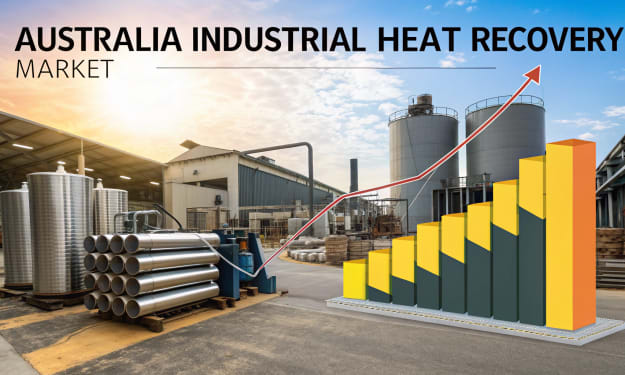
Australia Industrial Heat Recovery Market Set to Double by 2033 as Energy Efficiency Gains Momentum
In 2024, the Australia industrial heat recovery market reached USD 48.7 million, and it is forecast to grow to USD 95.8 million by 2033, representing a compound annual growth rate (CAGR) of 7.8% over the 2025–2033 period. This growth trajectory reflects a robust industry response to rising energy costs, expanding mining and manufacturing activities, and increasing sustainability commitments from both public and private sector stakeholders seeking to optimise energy use and reduce operational expenditure.
By Amélie Belle7 days ago in Trader
me, me, me
when i read back my poetry it screams “me, me, me” on my screen in bold letters and i can’t shut it up — most days, i cannot make any other words out; i want to throttle a thousand versions of the me gone by, i want to throw myself from a figurative balcony, i want to sink a sword into every pen i’ve held
By angela hepworth7 days ago in Poets

Comments
There are no comments for this story
Be the first to respond and start the conversation.