
How to Thrive During a Recession: Tips to Help You Conquer Financial Challenges
You can do it!

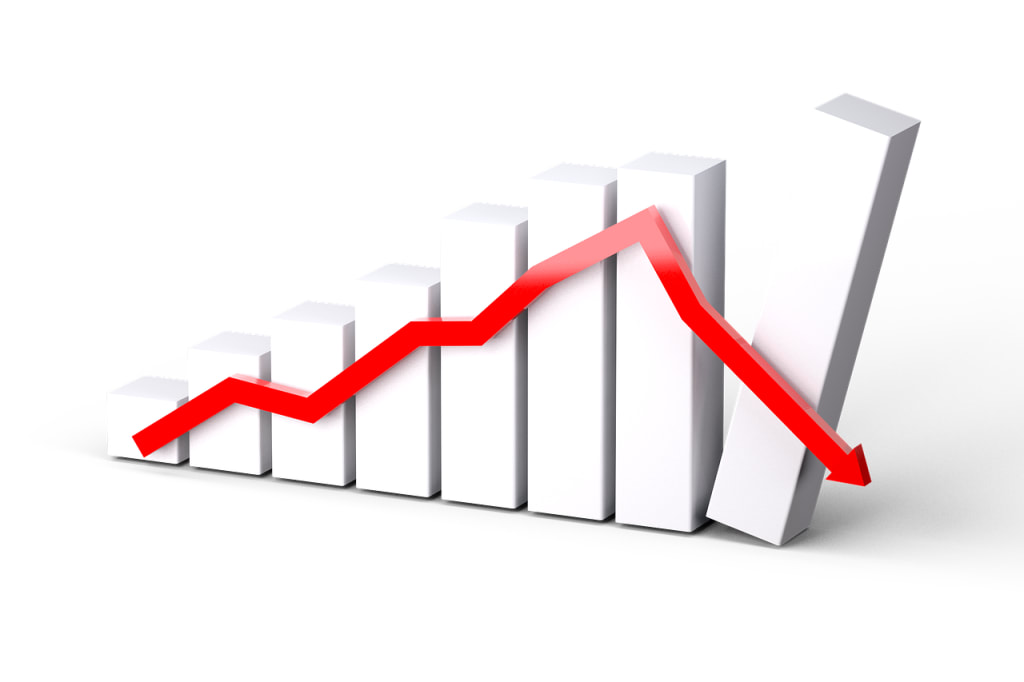
No one likes to think about a recession. But when a recession hits, it's important to know how to survive it. A recession can be a difficult time for many people, but with the right strategies and financial planning, it doesn't have to be. In this blog, I will share some tips on how to survive a recession. I will discuss the importance of budgeting during a recession, strategies for reducing debt, and how to create an emergency fund. I will also provide tips for maximizing savings, investing during a recession, and finding new employment. Finally, I will talk about the benefits of utilizing government assistance programs during a recession. My hope is that this blog will provide you with the information and support you need to survive these challenging times and come out stronger on the other side. So, let's get started!
Introduction to Surviving a Recession
A recession is an economic downturn that typically lasts for several months. During a recession, businesses often experience decreased sales, layoffs, and a decrease in consumer spending. This can hurt the overall economy, as well as on individual households. When a recession hits, it's important to have a plan in place to protect your finances. The tips I'm about to share will help you create a plan to survive the recession and come out on the other side.
The Importance of Budgeting During a Recession
Budgeting is an important part of financial planning and can be especially beneficial during a recession. A budget will help you to keep track of your spending and ensure that you are not overspending. It will also help you to prioritize your expenses and figure out where you can cut back.
Creating a budget can be a daunting task, but there are many online tools, such as Mint or You Need a Budget, that can help you to get started. Once you have a budget in place, it's important to stick to it and track your spending closely. This will help you to stay on top of your finances and make sure you are not overspending.
Financial Planning Tips to Help You Survive a Recession
Financial planning is important during a recession. It can help you to identify potential financial risks and develop strategies to mitigate them. Here are some tips to help you with financial planning during a recession:
- Assess your current financial situation: The first step in financial planning is to assess your current financial situation. Take a look at your income and expenses and determine how much money you have coming in and going out each month.
- Make a plan for reducing expenses: Once you have assessed your current financial situation, it's time to make a plan to reduce your expenses. Look for areas where you can cut back on spending and eliminate unnecessary expenses.
- Develop a plan to increase your income: If possible, try to develop a plan to increase your income. This could include taking on a side job or finding ways to increase your salary. If you want to find the perfect job for yourself click here
- Create a contingency plan: It's also important to create a contingency plan in case of an emergency. This could include setting aside a certain amount of money each month for unexpected expenses.
- Make a debt repayment plan: If you have any debt, it's important to create a plan to pay it off. Make a list of all of your debts and prioritize them in order of importance. Then, focus on paying off the highest-interest debts first.
Strategies for Reducing Debt During a Recession
- Reducing debt is important during a recession. When you have less debt, you have more money available for other expenses. Here are some strategies for reducing debt during a recession:
- Consolidate your debt: If you have multiple debt, consider consolidating them into one loan. This can help to simplify your debt repayment and make it easier to manage.
- Take advantage of low-interest rates: During a recession, interest rates can be lower than they were before. If you have any high-interest debt, now is the time to take advantage of these lower rates and refinance your debt.
- Negotiate with creditors: If you are having trouble making payments on your debt, contact your creditors and see if they can offer you a lower interest rate or a payment plan.
- Cut back on expenses: Reducing your expenses is one of the best ways to pay off debt. Look for areas where you can cut back on spending and use the extra money to pay down your debt.
How to Create an Emergency Fund During a Recession
An emergency fund is an important part of any financial plan, but it is especially important during a recession. Having an emergency fund can help to protect you from unexpected expenses, such as job loss or medical bills. Creating an emergency fund can be a challenge, but it is possible. Start by setting aside a small amount of money each month and gradually increase the amount as your budget allows. You should also make sure to keep your emergency fund in a separate account so that you are not tempted to spend it.
Benefits of Investing During a Recession
Investing during a recession can be a great way to grow your wealth and to protect yourself financially. While the stock market often takes a hit during a recession, it can also be a great opportunity to buy low and sell high. Investing during a recession can also be beneficial in the long term. During a recession, stocks are often undervalued and can be a great opportunity for long-term investments. Additionally, investing during a recession can help to diversify your portfolio and reduce your overall risk.
Tips for Maximizing Savings During a Recession
Saving money is important during a recession. Having a healthy savings account can help to protect you from unexpected expenses and keep you afloat during these tough times. Here are some tips for maximizing savings during a recession:
- Automate your savings: Automating your savings is a great way to ensure that you are setting aside money each month. Set up automatic transfers from your checking to your savings account so that you are not tempted to spend the money.
- Take advantage of tax breaks: During a recession, there may be tax breaks available to help you save money. Take advantage of these tax breaks and use the extra money to save for the future.
- Cut back on unnecessary expenses: Look for areas where you can cut back on spending and use the extra money to save. Reduce expenses in areas such as entertainment, dining out, and shopping.
- Shop around for better rates: If you have any loans or credit cards, shop around for better rates. You may be able to find a better deal and save money in the process.
Strategizing for Finding New Employment During a Recession
Finding new employment can be difficult during a recession. The job market is often competitive and jobs can be hard to come by. Here are some strategies for finding new employment during a recession:
- Network: Networking is a great way to find new job opportunities. Reach out to your contacts and let them know that you are looking for a job. You never know who might be able to connect you with the perfect opportunity.
- Utilize online job boards: Online job boards can be a great resource for finding new employment. If you want to find the perfect online job for yourself, Click Here.
- Take advantage of government programs: During a recession, there may be government programs available to help you find a job. Take advantage of these programs and use the services they offer to help you find new employment.
- Consider freelancing: If you are having trouble finding a full-time job, consider freelancing. There are many freelance opportunities available and you can often work from home.
Utilizing Government Assistance Programs During a Recession
During a recession, there may be government assistance programs available to help you stay afloat. These government programs can provide you with financial, educational, and other forms of assistance. It's important to research the different government assistance programs available and determine which ones are right for you. Government assistance programs can be a great resource during a recession and help to keep you financially secure.
Conclusion
A recession can be a difficult time for many people, but with the right strategies and financial planning, it doesn't have to be. By budgeting, reducing debt, creating an emergency fund, investing, and utilizing government assistance programs, you can survive a recession and come out on the other side stronger and more financially secure. I hope this blog has provided you with the information and support you need to survive these challenging times and come out ahead. If you need additional help or advice, don’t hesitate to reach out for support. Remember, you don’t have to go through this alone. With the right resources and support, you can make it through this recession and come out on the other side thriving.
About the Creator
Keep reading
More stories from writers in Trader and other communities.
DECLINE OF THE DOW JONES AND S&P 500 AS THE DOLLAR WEAKENS AMID GREENLAND THREATS AND TARIFF FEARS
DECLINE OF THE DOW JONES AND S&P 500 AS THE DOLLAR WEAKENS AMID GREENLAND THREATS AND TARIFF FEARS Financial markets have entered a period of heightened volatility as major U.S. stock indexes, including the Dow Jones Industrial Average and the S&P 500, moved sharply lower. At the same time, the U.S. dollar has shown noticeable weakness. This shift in market sentiment has been driven by rising geopolitical tensions linked to Greenland and renewed concerns over trade tariffs, creating uncertainty that has unsettled investors across global markets.
By America today 4 days ago in Trader
Five—One Grounding
Five—Locked in a perpetual battle against my failing senses and reason, I fight to survive, to get through; I am afraid of... nothingandeverythingallatonce—...—my mouth is dry, and my muscles seize up... what can I see? I can see the birdcage and birds; I can see the watercolour my beautiful wife painted many years ago and unlocked her journey into art; I can see the empty mug of tea as it sits perilously on the arm of the sofa; how many is that now? Three down, two to go; I can also see a jackdaw on the roof of our neighbour's house across the road and a bookcase of potential—Five things you can see.
By Paul Stewart6 days ago in Poets



Comments
There are no comments for this story
Be the first to respond and start the conversation.