
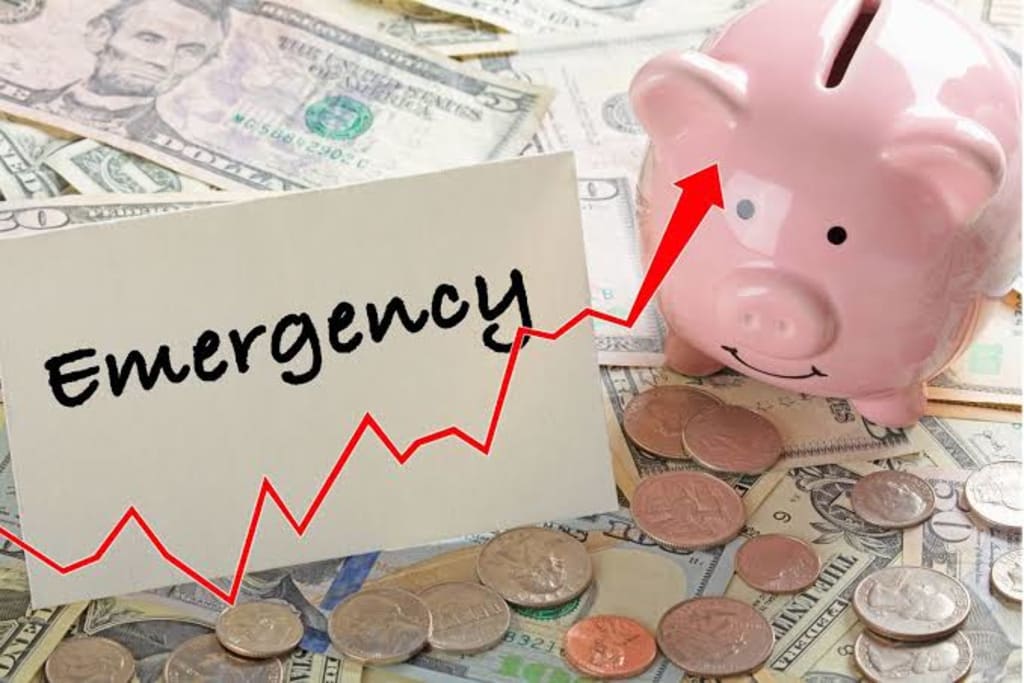
Save Money For Emergency
This will save you money in an emergency
Emergencies can be stressful and overwhelming, and it's important to save some money to deal with unexpected expenses.Here are some tips for saving money in an emergency.
Create an emergency fund.
Start by setting up an emergency fund, a separate savings account for unexpected expenses. Try to set aside some money each month, even if it's a small amount.
cost reduction:
Take a close look at your monthly expenses and see where you can save. You might be able to lower your cable bill, cancel unnecessary subscriptions, or eat out less. The money you save can be used as an emergency fund.
Automate your savings:
Set up automatic monthly transfers from your checking account to your emergency fund. This saves you having to remember to manually send money.
Sell unwanted items:
Look around your home for things you no longer need or use. You can sell them online or at flea markets and use the money to replenish your emergency fund. Find Discounts:
If you need to make a big purchase urgently, shop around and look for discounts and coupons. You may find a better deal than you originally expected.
Avoid High Interest Debt:
If you need to borrow money to cover urgent expenses, avoid using high-interest credit cards. Consider a low-interest personal loan or line of credit instead.
Prioritize spending:
Prioritize spending when faced with urgent expenses. Cover necessary expenses such as food, lodging and medical expenses first, then use the rest of the money for other expenses.
Emergencies can happen to anyone, so it's important to be prepared. By following these tips, you can build an emergency fund and prepare for unexpected expenses.
Use your budget:
Creating a budget helps you track your spending and identify areas where you can save. Knowing where your money is going in and out each month can help you make more informed decisions about your spending. Consider insurance.
Depending on the type of emergency you are preparing for, it may be worth investing in insurance. For example, health insurance can help cover unexpected medical expenses, and home insurance can protect you from damage caused by natural disasters and accidents.
Build your network.
A network of friends and family may be helpful in some emergencies. Consider building relationships with people in your community who can help you in emergencies such as: B. By providing accommodation or helping with child care.
Long-term plan:
Having money set aside for emergencies is important, but so is long-term planning. Consider investing in a retirement account or other savings vehicle that will help you build wealth in the long run.
Be prepared:
After all, the best way to save money in an emergency is to be prepared. Plan for different types of emergencies, including natural disasters, job loss, and unexpected medical bills. Thinking and planning ahead can minimize the economic impact of an emergency.
Use energy efficient products:
Using energy efficient products can save you money on your utility bills. This is especially useful during long-term emergencies. Consider investing in energy efficient light bulbs, appliances and insulation.
Create a priority list.
Make a list of your financial priorities and stick to it, especially in an emergency. This helps you make better decisions about what to spend your money on and avoid unnecessary expenses.
Find free resources.
Depending on the type of emergency you are facing, there may be free resources available to help. For example, there are many free disaster preparedness resources such as shelters, panels, and counseling services.
Build skill:
Developing new skills can help save money in the long run. For example, learning basic home repairs and car maintenance can help you avoid costly repairs later.
Stay positive:
Finally, maintaining a positive and hopeful attitude will help you get through tough times. Remember that emergencies are temporary and you have the strength and resources to get through them. Staying positive and focused on your goals will help you come out of the emergency stronger and more resilient than ever before.
Here are some additional tips for saving money in an emergency.
Use public transportation:
If you live in an area with good public transportation, consider using public transportation rather than driving in an emergency. This saves you money on gas and car maintenance.
Shop smart:
Shop smart when shopping for groceries and other essentials in an emergency. Look for deals, use coupons, and buy in bulk whenever possible. You can also buy generic or private label products, which are often cheaper than branded products.
Using Social Media:
Social media is a useful resource in an emergency. You can use it to connect with friends and family who can help, find free resources and other useful information.
Consider alternative housing:
Depending on the nature of the emergency, you may be able to save money by staying in alternate accommodation. B. A friend's house, hotel, or short-term rental. Always compare prices and consider all options before making a decision.
Take care of your health:
By taking care of your health, you can avoid expensive medical bills in the future. That means eating healthy, exercising regularly, and avoiding unhealthy habits like smoking and excessive drinking.
Find financial assistance:
Financial assistance may be available if you are having trouble paying for your emergency. Check with your local government or non-profit organization for available options. Emergencies can be stressful, but remember that a little preparation and planning can minimize the financial impact. By following these tips, you can save money in an emergency and prepare for unexpected expenses.
About the Creator
Transformers Market Size and Forecast 2025–2033
Introduction Electricity is the backbone of modern civilization. From powering homes and factories to supporting digital infrastructure and transportation, reliable electricity distribution is essential for economic growth and technological advancement. At the heart of this complex electrical ecosystem lies one of the most critical components of power systems: the transformer.
By Sakshi Sharmaabout 18 hours ago in Trader


Comments
There are no comments for this story
Be the first to respond and start the conversation.