
How to become an electrical design engineer
5 steps to becoming an electrical design engineer
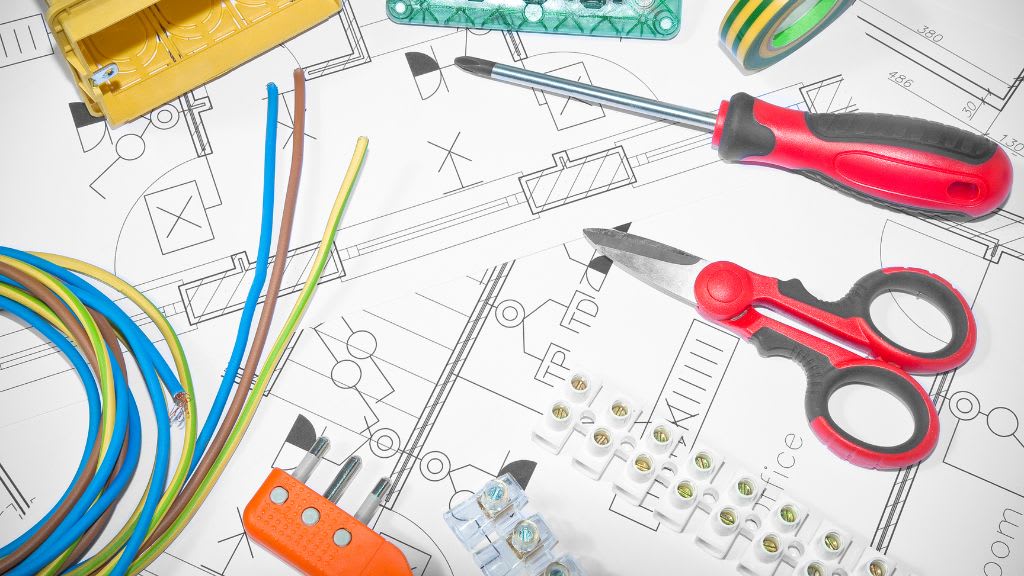
Electrical design engineering is one discipline of engineering that requires specialist skills, experience, and knowledge. Working across many industries, electrical design engineering is a rewarding career to choose.
Electrical design engineering is a growing field, which provides many opportunities for people wanting to work in the sector. Currently, there is a 5% job outlook, which indicates the projected change in employment over the next 10 years. This is higher than the average for all occupations of 3%.
A combination of factors is helping to fuel the growth within the sector, including a lack of skilled electrical design engineers, an older workforce, and a declining number of electrical engineering students. Despite this, the sector is extremely attractive to those wanting to pursue a career.
Many industries can benefit from electrical design, such as energy, construction, military, and aerospace, providing flexibility for location and job type. Many top companies also offer roles within this field, further increasing the appeal of becoming an electrical design engineer.
However, one of the biggest factors that will appeal to many prospective electrical design engineers is the salary. This can range from £35,000 to £60,000 depending on your experience, skills, and qualifications. There are also lots of opportunities for a strong career path and progression.
With the high earning potential and opportunities for career progression, there are strong prospects for electrical engineering roles. This is also driven by the rapid evolution in technology, with electrical vehicles, smart grids, and wearable tech helping to transform the electrical design engineering landscape.
Here are 5 steps on how you can become an electrical design engineer.
What is an electrical design engineer?

An electrical design engineer specialises in the design and development of electrical systems or components. Projects of an electrical design engineer range from concept and design planning to production, installation, and testing of electrical systems or components.
Electrical engineers work in a variety of industries, including architecture, aerospace, power, transport, defence, construction, and electronics. However, the nature of the job will vary according to industry or product.
Despite this, many employers will take graduate electrical engineers to develop their specialist knowledge within a given industry. On average, an electrical design engineer can earn between £27,000 for entry roles and £58,000 for experienced and senior roles.
How can you become an electrical design engineer?
Given the many job prospects, opportunities, and high earning potential, electrical design engineering can be a rewarding career to pursue. If you have an interest in electrical engineering, here are 5 steps you can take to become an electrical design engineer.
1. Education and qualifications

The first step to becoming an electrical design engineer is to gain the qualifications. All entry roles within this field will require a bachelor's degree. This degree needs to be in a relevant engineering field, such as electrical engineering or electronics.
That’s because the degree course will provide you with the foundation you need to succeed in the role. The knowledge and theoretical foundation you gain throughout your degree course will be essential for a job in the profession.
You should also consider gaining advanced qualifications beyond a bachelor’s degree. Some specialised roles or senior advanced positions may require a Master’s degree. Even seeking an entry position, a Master’s degree can be highly advantageous.
2. Practical experience

Alongside gaining relevant qualifications through education, you also need earn gain appropriate practical experience. While the opportunities for this before graduation are limited, you must take any opportunities open to you.
The first way you can gain relevant practical experience for a job in electrical engineering is through internships. Internships or co-op programs can be done alongside your studies, allowing you to gain hands-on experience and industry exposure.
Another method is through a placement year. Many degree courses allow you to do a placement year where you work for a company similar to an intern for a full year. Successful completion gives you relevant experience and, in some cases, extra degree credits.
Building a portfolio of work you’ve carried out when completing practical experiences can also be beneficial when seeking a job role. This gives you something to showcase to recruiters your experience, expertise, and quality of your work.
It’s also crucial that you maintain professional development. Learning and improving technical skills, gaining practical experience, and attending conferences and workshops are all methods to consider for professional development. Doing this will increase your employment prospects.
3. Technical skills

You can also become an electrical design engineer by gaining suitable technical skills. Both technical and soft skills are crucial if you want to be a successful electrical engineer. However, a shortage of technical skills is a large problem in engineering and technical recruitment.
As such, developing appropriate technical skills relevant to the field enables you to be much more successful in gaining a role. One of the most important technical skills you need is using industry-standard design software, such as AutoCAD and MATLAB.
Other technical skills that are important include:
• Proficiency in electrical / engineering principles.
• Knowledge of energy efficiency and sustainability.
• An extensive knowledge of electrical systems.
• Knowledge of electrical codes and regulations.
• A knowledge of certain programming languages.
Electrical engineering is a diverse field that can cover many different roles and expertise. In particular, a strong understanding of programming languages such as Python and Matlab can be extremely beneficial for growth.
Additionally, experience and skills in simulation software can be a highly advantageous area of expertise for growth. Ensuring you are proficient in using SPICE, PSCAD, or PSIM is crucial for simulating and analysing electrical circuits and systems.
With the rapid technological advances, you’ll also need to be able to successfully incorporate AI systems, automation, and robotics into working processes. These are some of the most highly valued skills that employers are looking for in 2024.
Some electrical design specialisms can also provide you with the best opportunities for job security. Power systems are one of the most crucial specialisms globally due to the transition towards renewable energy and modernising electrical systems.
For those wanting to pursue a career in automation or robotics, control systems is another specialism that is vital for job security. Manufacturing, aerospace, and automotive industries place strong emphasis on candidates' knowledge and experience with control systems.
The rapid changes in the sector resulting from artificial intelligence, robotics, and automation also mean it’s now vital to successfully incorporate these into processes. Being able to successfully work with and implement automation is another vital specialism for career security.
It’s also recommended to stay up-to-date with industry standards, technological advancements, or current trends. Continuing to develop your technical skills opens more opportunities for promotion and salary increases.
4. Certifications and accreditations

Certifications and accreditations are another method that will help you on your journey to becoming an electrical design engineer.
Some of the professional certifications and accreditations to consider include:
• Institute of Engineering and Technology (IET)
• Engineer in Training (EIT)
• Certified Technical Professional (CTP)
• Professional Engineer (PE)
• Project Management Professional (PgMP)
• Certified Systems Engineer Professional (CSEP)
• Programmable Logic Controller (PLC) certification
• Supervisory Control and Data Acquisition (SCADA) certification
• Certified Energy Manager (CEM)
However, becoming a licensed Professional Engineer is an essential certification to gain if you wish to advance further in this career. Any accreditations from professional bodies also bode well in improving your career prospects in this role.
5. Grow your professional network

One more method that will help you become an electrical design engineer is growing your professional network. Networking is a popular method for building your professional network. Expanding your professional network and connections provides many benefits.
Some of the benefits you can gain from growing your professional network include:
• Opens new career opportunities
• Provides access to information
• Gain career support and advice
• Build your confidence
• Obtain a different perspective
• Grows your profile
• Develop lasting professional relationships
The two most popular and effective methods for developing your professional network are by joining professional organisations and attending industry events.
The first method of joining professional organisations allows you to benefit from engaging with organisations. Engage with organisations, such as the Institute of Electrical and Electronics Engineers (IEEE), for networking, resources, and professional growth.
Other professional bodies to consider joining include:
• The Engineering Council
• Engineering UK
• Royal Academy of Engineering
• Institute for Mechanical Engineers
Highlighting these on your CV can also showcase to employers that you are actively involved with a professional organisation. This is especially the case if you’ve been involved in any activities the professional body has offered. It’s also a good way to improve your CV.
The other method of building a professional network involves connecting with industry professionals or peers. The most effective method for this is by attending industry events and online platforms, such as LinkedIn.
Participating in conferences, seminars, and workshops helps you to connect with peers working in the same industry or role. It’s also an effective method for helping you to stay up-to-date on industry trends.
By following these 5 steps, you’ll be in a good position to build a solid foundation to pursue a successful career as an electrical design engineer. While qualifications are important, gaining relevant technical skills and experience will go a long way in improving your prospects.
About the Creator
Keep reading
More stories from Aaron Middleton and writers in Trader and other communities.
An introduction to control systems engineering
Control systems engineering is an important discipline of engineering that can help streamline business processes alongside improving efficiency. If you are new to this engineering discipline, here is an introduction to control systems engineering.
By Aaron Middleton2 years ago in Trader
Breaking XRP News: Expert Says Ripple Has Overtaken JP Morgan IPO Talk
xrp news, experts are buzzing that Ripple may now be moving faster than traditional financial giants like JP Morgan even outpacing them when it comes to market reach and infrastructure development.
By Safdar meykaabout 12 hours ago in Trader
Affection and Healing for Yourself
During the night of the last quarter moon, I gathered my ritual supplies. I carefully handled the chunk of black tourmaline that would protect me from your overall negative and narcissistic energy. I carefully walked the house with my stick of selenite in hand, asking the universe to cleanse our working space.
By Alisha Wilkins ✒️🦋🖋️a day ago in Fiction



Comments
There are no comments for this story
Be the first to respond and start the conversation.