
How Forex Technical Analysis Helps in Trade Forex Online?
The Psychology Behind Forex Technical Analysis: What Charts Reveal About Traders
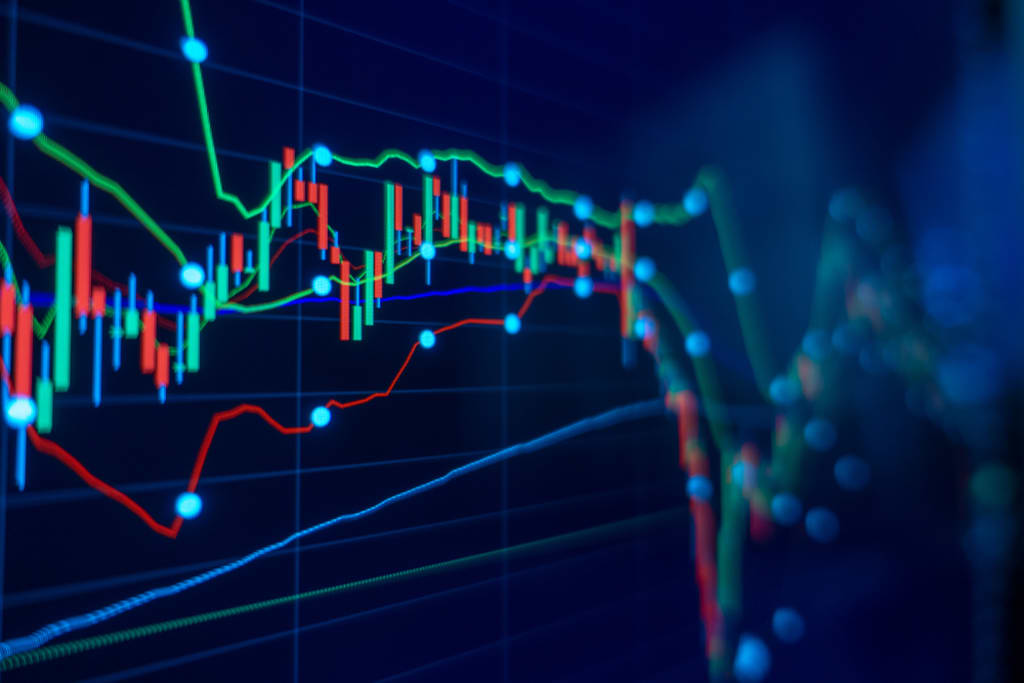
Forex charts can tell you a lot more than just where the price is going, if you know how to read between the lines. Technical analysis is often seen as a numbers game, full of indicators, lines, and candlestick patterns. But beneath all that data lies something even more powerful: human emotion.
Every spike, dip, and sideways move reflects a psychological story unfolding in real time., Fear of losing out, the thrill of chasing trends, hesitation, overconfidence, and more. When you begin to understand this psychological undercurrent, technical analysis becomes more than just a tool. It becomes a window into the collective mind of the market.
Let’s explore how psychology is deeply woven into forex technical analysis and what those seemingly simple charts tell us about trader behaviour.
What Is Technical Analysis in Forex?
At its core, technical analysis is the practice of studying historical price movements and forex chart patterns to forecast future price behaviour. It is based on the belief that price movements are not random. They follow trends and repeat patterns because human behaviour tends to be consistent over time.
While fundamental analysis looks at economic indicators like interest rates, inflation, and employment data to assess currency values, technical analysis relies purely on market data price, volume, and time.
Common tools used in forex technical analysis include:
• Candlestick patterns (e.g., Doji, Hammer, Engulfing)
• Chart patterns (e.g., Head and Shoulders, Double Tops/Bottoms)
• Technical indicators (e.g., RSI, Moving Averages, MACD)
• Support and resistance levels
• Trendlines and channels
But while these tools help map out the price action, the psychology behind these patterns gives them real power.
The Human Element: Why Psychology Matters in Technical Analysis
Markets are made of people, and people are emotional beings. Whether you are a retail trader buying a few micro-lots or an institutional investor moving millions, the same psychological triggers apply.
• Fear and greed are the two dominant emotions that drive the forex market. Fear makes traders sell prematurely, while greed encourages them to chase the price beyond reason.
• Hope keeps traders holding onto losing trades longer than they should, while panic causes irrational sell-offs.
• Herd mentality explains why traders make the same decisions simultaneously, leading to bubbles, breakouts, and crashes.
This ties into behavioural finance, a field that studies how cognitive biases and emotional influences affect financial decisions. In trading, these psychological patterns repeat, leaving footprints on the charts.
Key Psychological Patterns in Forex Charts
Let’s dive into the psychological forces in some of the most common technical setups.
Support and Resistance Levels
Ever wondered why the price often bounces off certain levels repeatedly?
• These zones represent psychological comfort levels for traders.
• A support level is where buyers tend to step in because they believe the price is “cheap.”
• A resistance level is where sellers emerge, thinking the price is “too high.”
These are emotional zones where past price behaviour influences future actions.
Trendlines and Channels
• When price follows an upward or downward slope, it reflects momentum and traders’ natural tendency to follow the crowd.
• Confirmation bias plays a significant role here. Traders see a trend, believe it will continue, and ignore signals that suggest otherwise.
This self-reinforcing behaviour is what makes trends last until psychology shifts.
Candlestick Patterns and Emotions
Each candlestick tells a mini psychological story:
• A Doji reflects indecision.
• A Hammer shows rejection of lower prices, buyers stepping in with confidence.
• A Bearish Engulfing signals a shift in sentiment from bullish to bearish.
These patterns are immediate emotional responses recorded as price action.
Chart Patterns as Psychological Footprints
Patterns like:
• Head and Shoulders represent a shift from optimism to fear.
• Double Tops/Bottoms highlight hesitation and repeated emotional decisions.
• Triangles reveal indecision and pressure buildup, often leading to breakouts driven by pent-up market emotion.
When you study these patterns, you are essentially learning how groups of traders react under pressure.
Common Trading Biases Seen in Charts
Technical charts are filled with signs of trader biases. Here are some of the most common:
Confirmation Bias
Traders often seek out information that confirms their existing beliefs. If bullish, they will look for every reason to buy, ignoring red flags. This leads to one-sided decision-making and can cause price imbalances.
Loss Aversion
People hate losing more than they love winning. This fear creates:
• Fake breakouts (when traders exit too early).
• Consolidation zones (where no one wants to take risks).
It’s a powerful force that is often visible in tight-range markets.
Overconfidence
Traders who experience a few wins often become overconfident. This is visible in:
• Aggressive buying/selling without confirmation.
• Sharp volume spikes followed by rapid reversals when reality hits.
Recency Bias
This occurs when traders give too much weight to recent events. For example:
• If EUR/USD spiked yesterday, traders may expect the same today, even if conditions have changed. This often leads to trend-chasing behaviour visible in parabolic moves.
Market Sentiment Indicators: Measuring the Crowd’s Psychology
To go beyond chart reading, traders use sentiment indicators to understand how the broader market feels.
Common tools include:
• Commitment of Traders (COT) report – shows positions of institutional players.
• Sentiment indexes – indicate whether traders are mostly long or short.
• Open interest and volume data – reflect trader participation and conviction.
These indicators help detect when market psychology is out of sync with price. For example:
• If sentiment is extremely bullish but price is falling, a reversal may occur.
• If everyone is short but the price is climbing, a short squeeze could be brewing.
Applying Psychological Awareness to Improve Technical Analysis
Understanding the psychology behind the chart can give you a serious edge. Here is how to integrate it into your strategy:
• Acknowledge emotional bias in your own trading. Awareness is the first step toward better decisions.
• Use technical setups in conjunction with sentiment tools to confirm trades.
• Practice discipline and patience. Don’t let FOMO or panic drive your actions.
• Build a trading plan that includes:
o Entry and exit rules.
o Risk management strategies.
o A framework for recognising when your emotions might affect your interpretation of the charts.
You are not just following lines by blending technical analysis with psychological insight. You are understanding the why behind market movements.
Conclusion
Charts are more than lines and numbers. They reflect collective human behaviour. Every resistance level, breakout, and reversal tell a story of trader psychology in action.
By learning to spot these psychological signals in your technical analysis, you will equip yourself with deeper insight not just into the market but also into yourself as a trader.
Remember: success in forex is not just about reading the charts. It is about reading the minds behind them.
So next time you look at a chart, ask yourself, “What is the story behind this move?”
About the Creator
Keep reading
More stories from Aryan Shirivastav and writers in Trader and other communities.
How I Lost $5,000 Doing Options on AT&T
I lost $5,000 trading options on AT&T. And honestly? I deserved to lose it because I had no idea what I was doing. Today I'm gonna break down what options actually are - in the simplest way possible - and then give you the five lessons I learned the hard way so you don't repeat my mistakes.
By Destiny S. Harris4 days ago in Trader
Buried for 33 Years: The Dream to Revive One of the Country’s Largest Gold Mines Is Back on the Map
For more than three decades, silence ruled the site where one of the country’s largest gold mines once thrived. Rusted machinery stood frozen in time. Flooded tunnels lay hidden beneath layers of earth. Warning signs faded under wind and rain, quietly marking what many believed was the end of an era.
By Adil Ali Khan6 days ago in Trader




Comments
There are no comments for this story
Be the first to respond and start the conversation.