
Hang Seng Index: Key Insights and Market Trends
Explore the Hang Seng Index, its key drivers, sector trends, and investment strategies. Learn how understanding the HSI helps investors make informed decisions in Asian markets

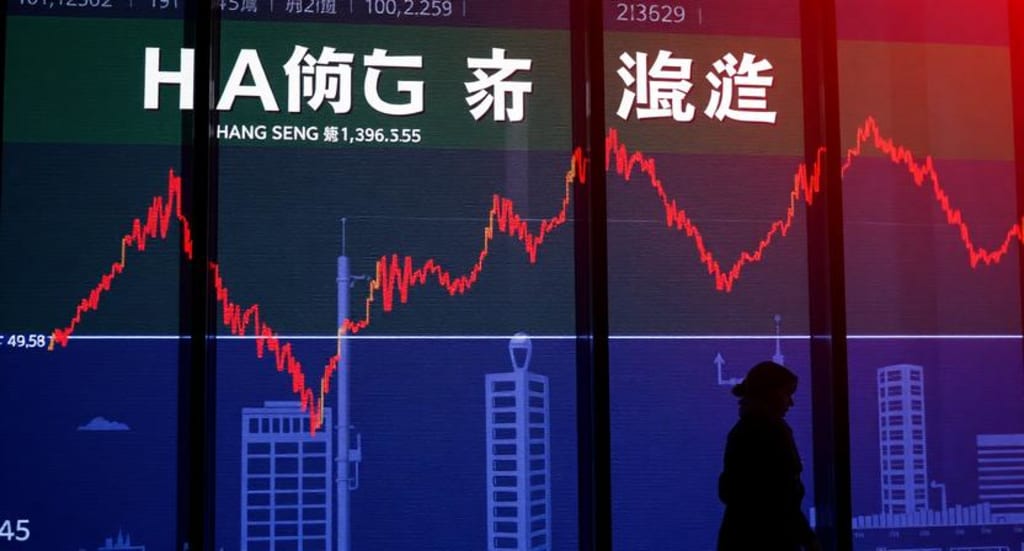
The Hang Seng Index (HSI) is one of Asia’s most important stock market benchmarks. Representing the largest and most liquid companies listed on the Hong Kong Stock Exchange, the HSI offers a clear snapshot of Hong Kong’s financial markets and serves as a key indicator of economic trends in the region. Investors worldwide monitor the HSI to gauge market sentiment and track the performance of Asian equities.
Understanding the Hang Seng Index
The Hang Seng Index is a market-cap-weighted index, meaning that companies with larger market values have a greater influence on the index’s movement. It includes around 50 of Hong Kong’s largest companies across various sectors, including finance, technology, real estate, and energy. This sector diversification allows the HSI to provide a balanced representation of Hong Kong’s economy.
Movements in the HSI are influenced by both local and global factors. Economic conditions in China, international trade relations, interest rates, and global investor sentiment all play a role in the index’s performance. Because of its regional and international significance, the HSI is often used as a benchmark for Asian market performance.
Key Factors Influencing the Hang Seng Index
Several key elements drive the performance of the HSI:
Economic Data: GDP growth, inflation rates, employment statistics, and retail sales in Hong Kong and China significantly influence investor confidence and stock prices.
Corporate Earnings: The quarterly and annual earnings of major listed companies impact the HSI, especially for large-cap constituents that dominate the index.
Global Market Trends: The HSI is sensitive to global financial developments. Movements in the U.S. stock market, European equities, or commodity prices can directly impact the index.
Government Policies: Policy changes in Hong Kong or China, such as regulations, taxation policies, or interest rate adjustments, can affect investor sentiment and stock valuations.
Sector Contributions to the Index
Financials, real estate, and technology are the most influential sectors within the Hang Seng Index. Banks and insurance companies often have a strong impact due to their large market capitalizations. Technology companies, especially those listed in Hong Kong or with cross-border exposure to China, can also significantly drive index performance. The real estate sector plays a critical role given Hong Kong’s property market and its contribution to the local economy.
Monitoring these sectors helps investors anticipate index movements and assess which areas of the market are performing strongly or showing signs of risk.
Investment Strategies Using the Hang Seng Index
Investors approach the HSI in several ways. One common method is through index-linked ETFs, which replicate the HSI’s performance and provide exposure to multiple companies at once. This approach allows investors to diversify their portfolios without purchasing individual stocks.
Active investors may also track individual HSI constituents, using technical and fundamental analysis to identify high-performing companies. By analyzing earnings reports, market trends, and stock-specific news, investors can make informed decisions about which companies to include in their portfolios.
Additionally, risk management strategies are essential when investing in the HSI. Volatility in global markets, geopolitical tensions, or sudden policy changes can impact performance. Using stop-loss orders, portfolio diversification, and monitoring sector trends helps investors mitigate potential risks.
Trends and Recent Performance
The Hang Seng Index is known for its volatility due to Hong Kong’s exposure to global economic changes and China’s policy environment. Over recent years, technology and financial stocks have been the primary drivers of growth, while global events and trade tensions have contributed to short-term declines.
Investors often look at the HSI for both short-term trading opportunities and long-term growth potential. Technical indicators, such as moving averages, support and resistance levels, and momentum patterns, can provide additional insights into market behavior.
Conclusion
The Hang Seng Index remains a key benchmark for investors looking to understand Hong Kong’s financial markets and the broader Asian economy. By analyzing its sectors, key drivers, and recent trends, investors can make informed decisions and manage risk effectively.
Whether approached through ETFs, individual stock selection, or market trend analysis, the HSI offers opportunities for both long-term investors and active traders. Monitoring the index’s performance alongside global and regional economic indicators ensures that investors remain well-positioned in an increasingly interconnected financial world.
About the Creator
Hammad Nawaz
Hammad here, sharing stock market insights, trading strategies, and tips. Helping traders understand trends, risk, and opportunities in equities, forex, and commodities.
Keep reading
More stories from Hammad Nawaz and writers in Trader and other communities.
Silver Share Price Today: Market Trends, Demand Outlook, and Investment Insights
Silver prices remain in focus as global markets navigate economic uncertainty, shifting interest rate expectations, and rising industrial demand. Often referred to as both a precious and industrial metal, silver occupies a unique position in the commodities market. Movements in silver share prices and silver-linked stocks are closely watched by investors looking for diversification, inflation hedging, and exposure to green energy trends.
By Hammad Nawazabout 15 hours ago in Trader
Australia Bus Market 2026: Accelerates Toward USD 2.49 Billion by 2034 on Urban Mobility & Fleet Modernization
Australia Bus Market Overview The Australia bus market size is experiencing steady growth as public transportation demand, urbanization, and sustainability initiatives reshape the nation’s mobility landscape. According to IMARC Group, the market was valued at USD 1.58 billion in 2025 and is projected to reach USD 2.49 billion by 2034, growing at a compound annual growth rate (CAGR) of 5.18 % from 2026 to 2034.
By Amyra Singha day ago in Trader



Comments
There are no comments for this story
Be the first to respond and start the conversation.