
Gold Prices Dip: What’s Behind the Slide and What’s Next?
Gold Prices on the Decline: Understanding the Causes and Future Outlook

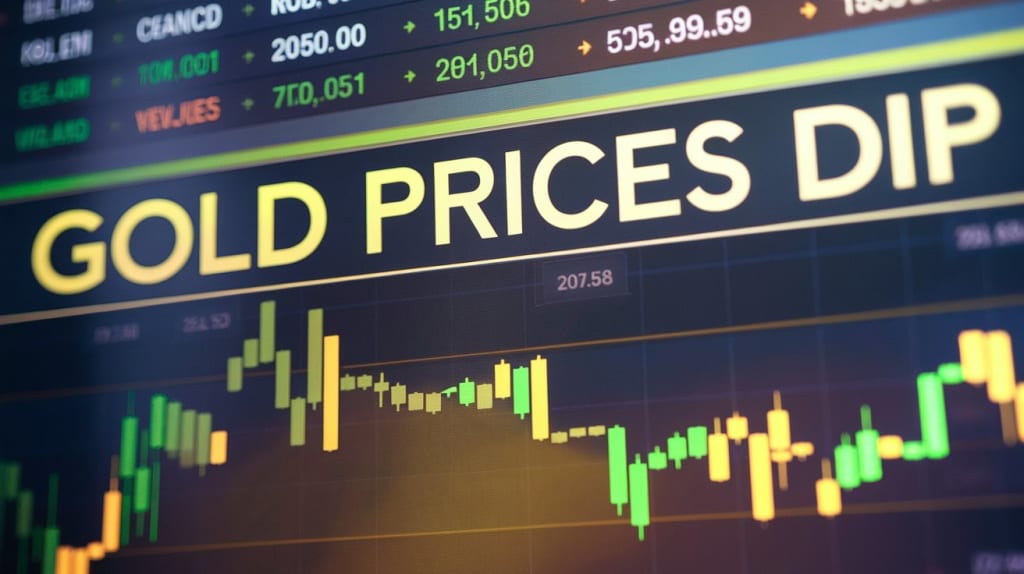
Gold prices have been on the decline of late, and many investors are likely scratching their heads over the direction of this historically stable asset. While traditionally a safe haven in times of turbulence, a variety of pressures working against gold are driving its price lower. Let's take a more in-depth look at what exactly is driving this downtrend and see what the future may hold for the precious metal.
Why Are Gold Prices Dropping?
- A Strong US Dollar
When the US dollar is strong, it generally means gold prices will fall. This is because a strong dollar raises the price of gold for buyers in other currencies, thus decreasing demand.
- Rising Interest Rates
Gold becomes less attractive to investors when interest rates rise. Gold does not have any yield, unlike other interest-bearing investments such as bonds. As rates increase, many investors turn their attention to assets with more promising yields.
- Easing Inflation
Because it has traditionally been a hedge against inflation, when inflation concerns lessen, the need to hedge against that inflation lessens, reducing demand for gold.
What Might Impact Gold Prices Going Forward?
It is not over yet for gold. The future is still bright, as a few things might turn around the market for it:
- Global Economic Trends
If the economic situation deteriorates globally, investors could once again seek refuge in the safe-haven asset and push prices upwards.
- Geopolitical Tensions
Events like international conflicts or upswings in political unrest raise demand for gold when investors look for a safe harbor in some sort of turmoil.
- Central Bank Policies
Central bank interest rates and monetary policy will presumably drive the price of gold. For instance, a pause, or even reversal, of the rate hike cycle could spark renewed interest in gold.
What Should Investors Do?
01. Short-Term vs. Long-Term Outlook:
- In the short term, gold prices may fluctuate due to economic conditions and market trends. However, over the long run, gold remains a reliable asset, especially during periods of inflation or economic instability.
02. Why Gold is Still Valuable:
- Gold acts as a hedge against inflation, meaning it can protect the purchasing power of money when inflation rises.
- It’s historically steady and retains its intrinsic value, making it a trusted part of prudent investment strategies.
03. Practical Tips for Investors:
- Stay Informed: Keep track of factors like global economic performance, geopolitical events, and decisions by central banks. These elements heavily influence gold prices.
- Understand Your Goals: Consider how gold fits into your overall financial plan and what level of risk you are comfortable taking.
- Seek Professional Advice: A financial advisor can provide tailored guidance to help align gold investments with your personal financial situation and goals.
04. Key Message:
- Although gold prices can be volatile in the short term, its long-term stability and value make it a wise choice for diversification and security in investment portfolios.
- The key to maximizing returns is staying informed, preparing for market changes, and making decisions based on solid financial planning rather than reacting emotionally to price fluctuations.
This approach ensures that you’re not just chasing market trends but strategically planning for financial stability and growth.
Conclusion
While gold prices may be experiencing a decline, the metal's historical significance as a safe-haven asset remains intact. Short-term fluctuations are influenced by factors such as a strong US dollar, rising interest rates, and easing inflation. However, gold's long-term value lies in its ability to hedge against economic uncertainty and inflation, making it a critical component of a diversified portfolio.
The future of gold depends on key elements like global economic conditions, geopolitical tensions, and central bank policies. For investors, this means staying informed about these developments and assessing their impact on the market.
Ultimately, gold continues to offer stability in times of financial turbulence. By balancing short-term market trends with long-term investment strategies, you can maximize its potential. Consider consulting a financial advisor to align your gold investments with your overall financial goals and risk tolerance for smarter, more informed decision-making.
About the Creator
Det. Marcus
I'm a reporter, detective, YouTuber, and article writer based in Florida with 7+ years of experience. Since 2017, I've been uncovering stories, creating engaging content, and delivering unique perspectives across multiple platforms.
Keep reading
More stories from Det. Marcus and writers in Trader and other communities.
Bitcoin and Cryptocurrency Update: Predictions, and Key Insights
Cryptocurrency is an ever-evolving world that's dynamic, in which digital assets such as Bitcoin and Ethereum reach both the headlines and financial markets. The so-termed "digital gold," or Bitcoin, remains the most commonly known cryptocurrency. It serves to indicate the broader crypto market, wherein thousands of other cryptocurrencies exist. In this article, we will explain to you why the price of bitcoin has been changing, give some insight into the prediction of the price of bitcoin, and then go into prices from other major assets such as ethereum price usd. We'll also guide you through the causes of dynamics in the cryptocurrency market.
By Det. Marcusabout a year ago in Education
Australia Human Resource Technology Market Set to Nearly Double by 2034 on Automation, Cloud Adoption & Employee Experience
The Australia Human Resource Technology Market is expanding steadily as organisations seek to modernise people management, automate routine HR tasks, improve workforce insights and enhance employee experiences. According to the latest IMARC Group research, the market reached USD 774.7 million in 2025 and is expected to reach USD 1,450.9 million by 2034, exhibiting a compound annual growth rate (CAGR) of 7.22% between 2026 and 2034.
By Rashi Sharma2 days ago in Trader
The One Lesson from Rich Dad Poor Dad I Will Not Forget
Rich Dad Poor Dad is often treated like a beginner's book. People quote it early in their money journey, nod along, then move on. But buried inside it is a lesson that doesn't age, doesn't get outdated, and doesn't stop being relevant no matter how much you earn.
By Destiny S. Harris4 days ago in Trader



Comments
There are no comments for this story
Be the first to respond and start the conversation.