
Global Crude Oil Prices Rise Amid Tight Supply and Growing Market Demand
Crude oil prices are climbing due to limited supply and robust global demand. Discover what’s driving this trend, its impact on markets, and how it connects to commodities like Nexa USD.
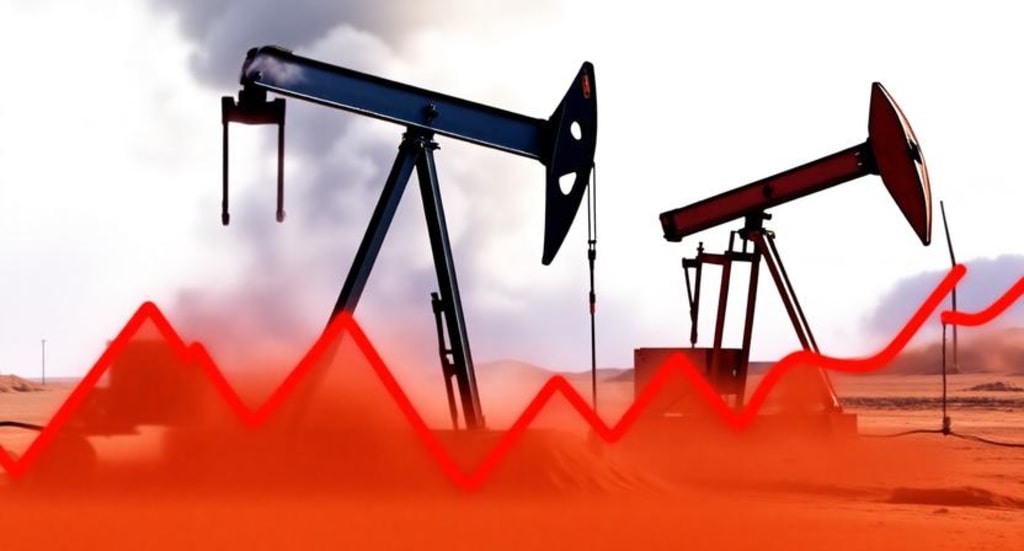
Crude Oil Market Update
Crude oil markets are experiencing renewed momentum as prices climb steadily across global benchmarks. Both Brent crude and West Texas Intermediate (WTI) have gained strength in recent weeks, supported by persistent supply cuts and increased consumption. This renewed energy market optimism is stirring discussions among investors and policymakers about the future direction of oil prices heading into 2026.
The rise comes at a time when global economies are stabilizing after months of uncertainty. Major producers are carefully managing output, and energy demand is gradually returning to pre-pandemic levels. The oil market now sits at a critical juncture — one where demand strength meets controlled supply, creating an upward push for prices that could influence currencies, inflation, and investment trends worldwide.
Key Drivers Behind the Price Surge
The most immediate reason behind the rise in crude oil prices is continued production restraint from OPEC+ members. The alliance’s strategy of limiting daily output has significantly tightened supply in global markets, pushing prices higher even amid uneven demand in some regions.
Another factor driving this surge is the recovery in global industrial and transportation activity. As economies continue to rebound, manufacturing, shipping, and travel sectors are consuming more fuel. Refineries across Asia and the U.S. have reported higher utilization rates, reflecting the growing need for crude inputs.
Furthermore, geopolitical tensions remain a constant threat to oil supply stability. Conflicts and shipping disruptions in key trade routes, particularly in the Middle East and the Red Sea, have increased freight and insurance costs, further pressuring the global supply chain. Even small interruptions in these areas can trigger price volatility, making crude oil a highly sensitive asset in today’s uncertain political climate.
Impact on Global Financial Markets
The ripple effect of rising crude oil prices extends far beyond the energy sector. It influences everything from inflation rates to currency movements and stock market performance. Historically, higher oil prices contribute to cost-push inflation, as energy is a key component of production and logistics across industries.
The U.S. dollar, which traditionally moves inversely to oil prices, has shown mixed reactions. Although a weaker USD often supports higher crude prices, recent strength in the American economy has kept the dollar relatively firm. This has led to an unusual balance where both oil and the dollar are holding strong positions simultaneously.
For traders and investors, the correlation between crude oil and digital assets has also become an area of interest. Some commodities and crypto-linked instruments like Nexa USD are being monitored as alternative means of hedging against oil price volatility. This diversification strategy highlights how modern investors are blending traditional and digital markets to manage risk more effectively.
Economic and Policy Implications
Rising oil prices inevitably challenge central banks trying to maintain price stability. The Federal Reserve and other major financial institutions must weigh the impact of higher energy costs on inflation before making monetary policy decisions. If crude prices continue to climb, interest rate adjustments or changes in fiscal spending could follow, affecting global growth trajectories.
For oil-dependent nations, the current rally presents an opportunity to rebuild fiscal reserves and strengthen export revenues. However, for oil-importing countries, higher energy costs can strain budgets, increase transportation expenses, and reduce consumer purchasing power. This delicate balance makes the crude oil market a central player in shaping near-term global economic performance.
Future Market Outlook
Looking ahead, analysts remain cautiously optimistic about crude oil’s trajectory. If OPEC+ maintains its disciplined production approach and demand continues to expand, prices could remain elevated through early 2026. However, the potential for increased U.S. shale output and the growing shift toward renewable energy could introduce new downward pressures over the long term.
Moreover, the evolving relationship between energy prices and digital assets might reshape traditional trading strategies. As investors explore innovative tools for diversification and stability, the intersection of commodities and cryptocurrencies may become a defining feature of the next financial cycle.
Conclusion
Crude oil’s latest rally underscores the complex dynamics shaping global energy and financial markets. With limited supply, rising demand, and persistent geopolitical risks, prices are likely to stay volatile but elevated in the short term.
For investors, keeping an eye on oil movements is crucial, not only for traditional portfolios but also for emerging financial assets. Instruments like Nexa USD illustrate how modern markets are adapting to this evolving landscape blending digital innovation with commodity fundamentals.
As the year progresses, the direction of crude oil prices will continue to influence inflation, trade balances, and investment strategies across the globe. Staying informed and adaptive remains key in navigating this ever-changing market environment.
About the Creator
The Three Dave Ramsey Baby Steps You Should Reconsider
Dave Ramsey has helped a lot of people stop doing dumb things with money. That alone deserves respect. If you're buried in credit card debt, stressed, disorganized, and living on financial fumes, the Baby Steps can pull you out of chaos.
By Destiny S. Harrisa day ago in Trader



Comments
There are no comments for this story
Be the first to respond and start the conversation.