

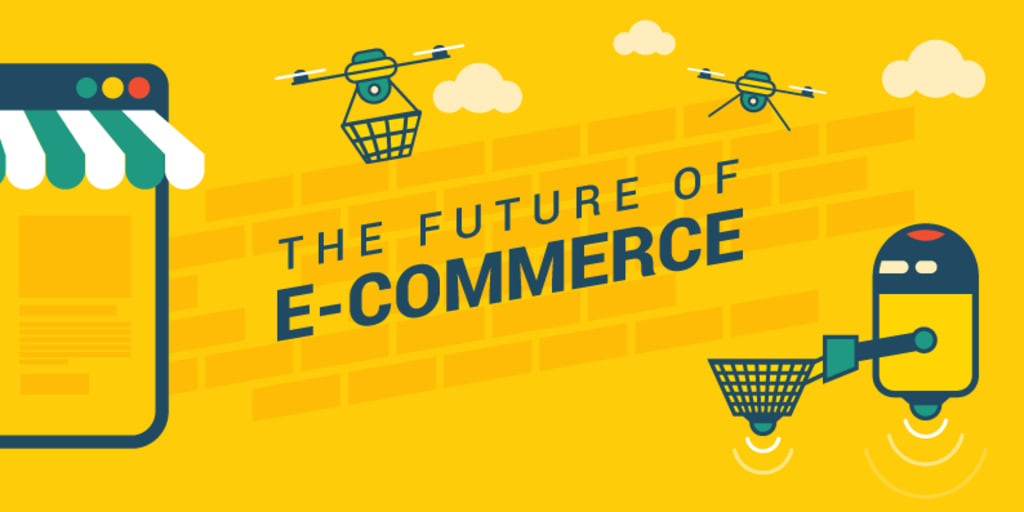
Online storefront: The online storefront is the website where the business showcases its products or services. It serves as the primary point of contact between the business and its customers.
Shopping cart: A shopping cart allows customers to add items to their virtual cart and continue shopping until they are ready to check out.
Payment gateway: A payment gateway is a secure online service that enables customers to make payments for their purchases. It is essential to have a reliable payment gateway to ensure that transactions are secure and smooth.
Inventory management: E-commerce businesses need to keep track of their inventory to ensure that products are always available for sale. This involves tracking stock levels, managing orders, and restocking as needed.
Order fulfillment: Order fulfillment involves the process of receiving orders, picking and packing products, and shipping them to customers. E-commerce businesses need to have a streamlined and efficient order fulfillment process to ensure that customers receive their orders on time.
Customer support: E-commerce businesses need to provide excellent customer support to ensure that customers have a positive shopping experience. This may include offering live chat support, email support, or phone support.
Marketing: E-commerce businesses need to promote their products or services to attract customers. This may involve search engine optimization (SEO), social media marketing, email marketing, and other digital marketing strategies.
Overall, an e-commerce business needs to have a user-friendly website, a secure payment gateway, effective inventory management, streamlined order fulfillment processes, excellent customer support, and effective marketing strategies to be successful in today's digital marketplace.
The future of e-commerce business is very promising, as online shopping continues to grow in popularity and technological advancements make it easier and more convenient for consumers to shop online. Here are some potential trends and developments that may shape the future of e-commerce:
Increased adoption of mobile commerce: As more consumers use their mobile devices to shop online, e-commerce businesses will need to optimize their websites and shopping experiences for mobile devices to stay competitive.
Personalization: E-commerce businesses are already using data and analytics to personalize the shopping experience for customers, and this trend is likely to continue. In the future, we may see even more sophisticated personalization strategies, such as using artificial intelligence and machine learning to make personalized product recommendations.
Social commerce: Social media platforms are increasingly becoming shopping destinations in their own right, with businesses using platforms like Facebook, Instagram, and Pinterest to sell products directly to consumers. This trend is likely to continue, with more businesses investing in social commerce strategies.
Augmented reality and virtual reality: Augmented reality and virtual reality technologies have the potential to revolutionize the e-commerce shopping experience by allowing customers to try on clothing, visualize furniture in their homes, and more.
Voice commerce: As voice-activated assistants like Alexa and Google Home become more popular, we may see more e-commerce businesses investing in voice commerce technology to allow customers to make purchases using voice commands.
Overall, the future of e-commerce business looks bright, with continued growth and innovation expected in the coming years.
About the Creator
Muhammad Mubeen
As a writer and storyteller, I possess a natural talent for encapsulating the essence of the human experience. I approach writing with a distinct perspective, often delving into themes that align with my interests.
Keep reading
More stories from Muhammad Mubeen and writers in Trader and other communities.
America Is Back in the Factory Business
In recent years, there has been a trend towards reshoring manufacturing jobs to the United States, as well as an increase in new factory construction in the country. This is partly due to changes in global economic conditions, including rising labor costs in developing countries and trade tensions between the US and China.
By Muhammad Mubeen3 years ago in Journal
Exploring the South Korea Cosmetics Market: Trends, Opportunities, and Insights
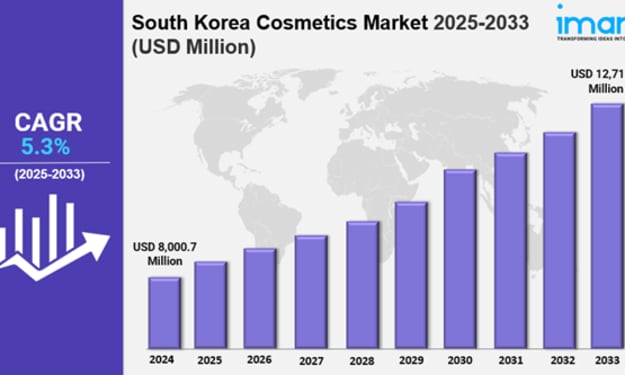
South Korea Cosmetics Market Overview South Korea cosmetics market size reached USD 8,000.7 Million in 2025. Looking forward, IMARC Group expects the market to reach USD 12,712.7 Million by 2034, exhibiting a growth rate (CAGR) of 5.3% during 2026-2034. The growing influence of social media platforms, along with the widespread adoption of extensive skincare routine by individuals, is primarily driving the market growth across the country.
By Kim Soo hyuna day ago in Trader
Australia Computer Vision Market Poised for Strategic Growth: From Smart Surveillance to AI-Driven Enterprise Transformation
The Australia Computer Vision Market is rapidly evolving from a niche tech segment into a mainstream technology catalyst across multiple sectors. According to IMARC Group’s latest analysis, the market reached USD 434.0 million in 2025 and is poised to grow to USD 706.1 million by 2034, representing a CAGR of 5.56% during 2026–2034.
By Rashi Sharmaa day ago in Trader



Comments
There are no comments for this story
Be the first to respond and start the conversation.