
Ethereum Gas Fees Demystified: Your Guide to Transaction Costs
Guide For Transaction Costs
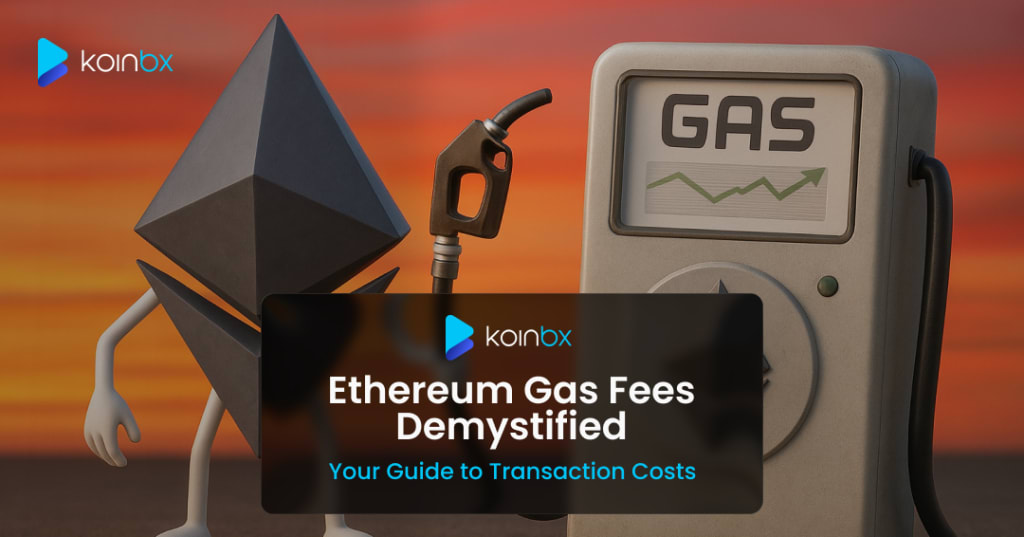
The term "gas fees" is likely familiar to anyone who has ever used Ethereum to send crypto or communicate with a decentralized app. Gas prices can be complicated, volatile, and occasionally annoying for many users, particularly novices.
So, what are gas fees exactly? What makes them important? Furthermore, how can you prevent overspending? We'll explain it simply in this blog post so you can learn how to maximize your Ethereum transactions without going over budget.
What Are Gas Fees for Ethereum?
Everything on the Ethereum blockchain costs gas fees. A certain amount of processing power is needed for each process, whether you're minting NFTs, transferring tokens, or using a decentralized exchange. Because this energy is not free, users must pay gas fees to the network's validators in exchange for processing and verifying their transactions.
A small portion of ETH, known as "gwei," is used to measure gas. The network's volume and the complexity of your transaction determine how much you actually pay.
Why Do Gas Fees Change?
The wide range of gas prices is one of their most perplexing features. Depending on the situation, you may pay a few cents, several dollars, or even more. The reason for this is that Ethereum functions similarly to an open auction.
The competition to process transactions quickly increases when many users are utilizing the network simultaneously. Because of this, users pay more to have their transactions validated more quickly. The average fee increases as a result. In general, fees decrease when the network is less crowded.
Prices rise in response to demand, much like in a ride-sharing app with increased pricing.
Who Sets the Gas Fee?
When you send a transaction, you can usually choose how much gas you are willing to pay. Most wallets and apps will suggest an average amount based on current network activity. You can pay more for faster processing or less for faster processing if you don’t mind delaying.
However, if you set the gas fee too low, your transaction might take a long time or even fail to go through.
How Gas Affects Different Users
Gas fees might not seem like a big deal to someone sending ETH to a friend or conducting a simple transaction. But fees will increase quickly for users who use Ethereum frequently, particularly in DeFi platforms or Bitcoin trading.
This is particularly valid during periods of high activity. Gas fees become a crucial expense to take into account if you're regularly switching tokens or transferring assets between wallets.
For this reason, a lot of traders, including those who trade bitcoin, keep a careful eye on gas prices and attempt to time their transactions when fees are cheaper.
How to Check and Reduce Gas Fees
You don't have to guess what gas fees are, which is good news. Ethereum gas prices are displayed in real time by a number of free online tools. You can use these trackers to determine when it's best to send a transaction or when it might be wiser to wait.
In order to lower gas prices:
- Purchases should ideally be made on the weekends or late at night.
- Make use of Ethereum-based Layer 2 solutions, which handle transactions more quickly and cheaply.
- If you are planning more than one transaction, try to complete them all at once.
- Change the gas settings if you can afford it, but only if you understand how it operates.
Even small changes in timing or method can help you save a lot over time.
Why Gas Fees Matter
Gas fees are a minor aspect of Ethereum, but they have a significant impact on the whole experience. These have an impact on everything from the cost of moving your crypto to the success or failure of a transaction. The way developers create Ethereum-based apps is influenced by gas fees. In addition to this, they also play a regular role in users' decision-making, particularly for those who trade bitcoin or manage several assets.
Improvements like Ethereum 2.0 and the application of Layer 2 scaling solutions are already assisting in lowering fees as Ethereum develops further. Knowing gas, however, is currently a requirement for being a knowledgeable blockchain user.
Final Thoughts
The cost of the strong, decentralized world that Ethereum provides is simply gas fees. However, they can also be managed, particularly if you understand how they operate and take easy measures to reduce them.
You can save funds and avoid delays by monitoring gas prices, whether you trade Bitcoin, transfer crypto, or research dApps. Knowing the price of gas gives you another tool to control your crypto journey, and in the blockchain world, every little bit matters.
About the Creator
Keep reading
More stories from koinbxcrypto and writers in Trader and other communities.
Identifying Undervalued Altcoins: Metrics and Research Techniques
The crypto world is full of chances and risks. While most investors focus on popular coins like Bitcoin or Ethereum, many are starting to invest in altcoins. Frequently, these less well-known coins have a higher risk, but they may bring larger rewards, particularly if you can identify the inexpensive ones before they become well-known.
By koinbxcrypto6 months ago in Trader
Exploring the South Korea Cosmetics Market: Trends, Opportunities, and Insights
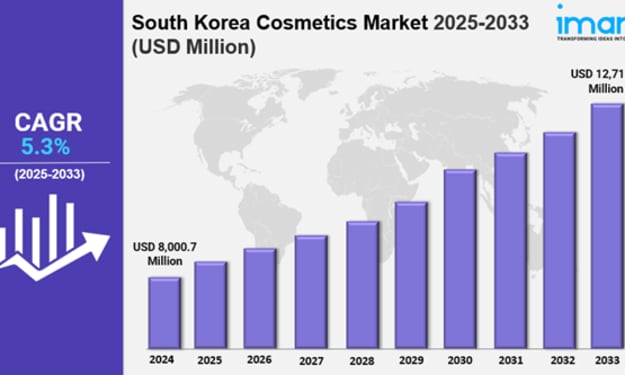
South Korea Cosmetics Market Overview South Korea cosmetics market size reached USD 8,000.7 Million in 2025. Looking forward, IMARC Group expects the market to reach USD 12,712.7 Million by 2034, exhibiting a growth rate (CAGR) of 5.3% during 2026-2034. The growing influence of social media platforms, along with the widespread adoption of extensive skincare routine by individuals, is primarily driving the market growth across the country.
By Kim Soo hyuna day ago in Trader
Australia Computer Vision Market Poised for Strategic Growth: From Smart Surveillance to AI-Driven Enterprise Transformation
The Australia Computer Vision Market is rapidly evolving from a niche tech segment into a mainstream technology catalyst across multiple sectors. According to IMARC Group’s latest analysis, the market reached USD 434.0 million in 2025 and is poised to grow to USD 706.1 million by 2034, representing a CAGR of 5.56% during 2026–2034.
By Rashi Sharmaa day ago in Trader



Comments
There are no comments for this story
Be the first to respond and start the conversation.