
Digital Signage for Convenience Store: How Small Screens Drive Fast Decisions
Digital Signage for Convenience Store

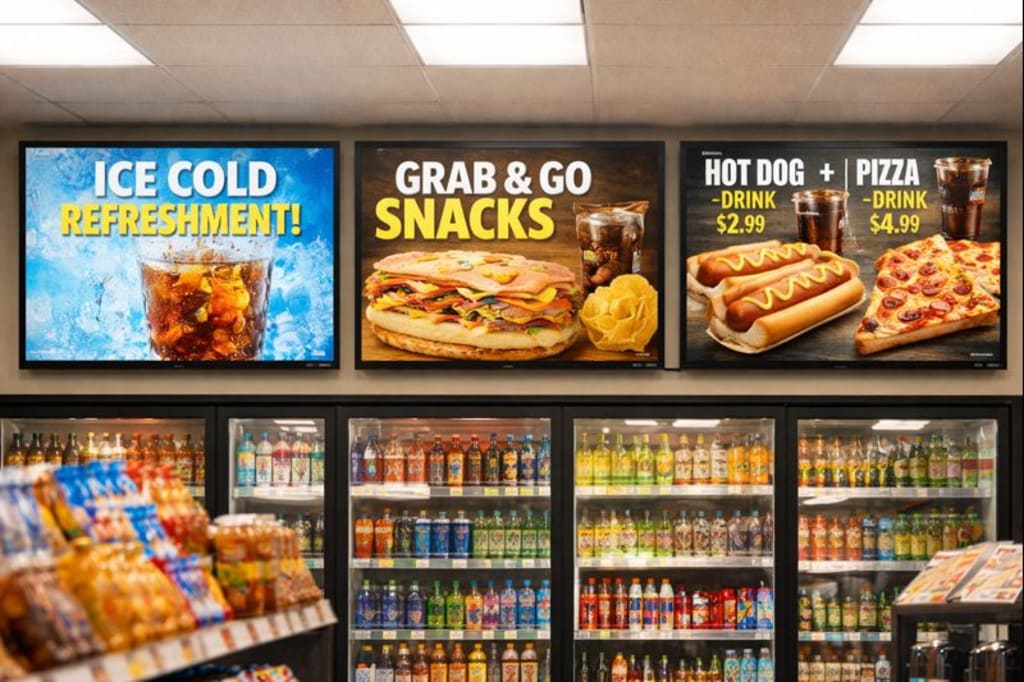
Convenience stores operate on speed. Customers walk in with a purpose, spend only a few minutes inside, and make decisions almost instantly. In this environment, communication has to be immediate, visible, and simple. Printed posters and shelf talkers often fail to deliver timely messages, especially when promotions change daily or even hourly.
Digital signage for convenience store environments is increasingly used to meet this need. Instead of relying on static materials, store operators are turning to digital displays that can adapt quickly, highlight high-margin items, and guide attention where it matters most.
This shift isn’t about flashy advertising. It’s about using screens as a practical tool to influence quick purchasing decisions.
Why Timing Matters More Than Space in Convenience Retail
Unlike large retail stores, convenience stores have limited space but high traffic turnover. Messaging has to work within seconds. If information isn’t clear at a glance, it’s missed.
Convenience store digital signage allows content to change based on time of day, promotions, or inventory priorities. Morning messaging can focus on coffee and breakfast items, while evening content highlights snacks or bundled offers. This flexibility makes digital signage for convenience stores especially effective in fast-paced environments.
Screens Where Decisions Actually Happen
One key difference in convenience retail is where buying decisions occur. Most purchases happen at the counter or just before checkout.
Digital display placements near coolers, counters, and entrances ensure that promotions are seen at the moment of decision. Unlike printed signs, digital signage management software allows store teams to adjust messaging instantly across one or multiple locations.
This is particularly valuable for chain operators managing frequent price changes or limited-time offers.
Reducing Visual Clutter Without Losing Visibility
Convenience stores often struggle with visual overload. Posters, stickers, and shelf signs compete for attention, making it harder for customers to focus.
Digital signage for convenience store use consolidates messaging into clean, organized digital screens. Instead of multiple printed materials, one commercial digital sign can rotate offers, announcements, and product highlights in a structured way.
This helps stores look more organized while still delivering essential information.
Supporting Impulse Purchases at Checkout
Impulse buying is central to convenience retail. Digital signage touch screen software and non-interactive screens alike are used to surface last-second offers, upsells, or reminders near the register.
These digital commercial signs don’t replace staff interaction. They complement it by reinforcing offers visually, especially during busy hours when verbal promotion isn’t always possible.
Managing Content Across Multiple Stores
For operators running multiple locations, consistency becomes challenging. Digital signage companies in Canada and elsewhere support centralized content control so promotions stay aligned across all stores.
Using signage software for windows, teams can manage updates remotely without visiting each location. This reduces manual work and ensures that pricing, branding, and promotions stay consistent.
When Digital Signage Becomes Operational, Not Promotional
Many convenience store owners initially consider digital signage for advertising. Over time, they realize its operational value.
Digital signage for convenience stores helps:
- Reduce reliance on printed materials
- Speed up promotional changes
- Improve clarity during peak hours
- Support staff during rush periods
In this context, digital signs act as silent assistants, keeping information accurate and visible without adding workload.
Industry Tools and Ecosystem Context
Some operators explore platforms such as optisigns support resources or use optisigns login dashboards when evaluating signage tools. Others compare digital signage companies based on reliability and ease of management rather than feature volume.
The broader ecosystem includes digital screen advertising companies, virtual signs business platforms, and traditional digital signs providers, each serving different needs across retail environments.
For industry context on how convenience retail is adopting digital displays, Digital Signage Today provides an overview of signage use across quick-service and retail spaces:
Choosing a Platform That Fits Convenience Retail
Convenience stores typically need systems that are simple, stable, and fast to update. Platforms like AIScreen are often used in convenience retail settings because they support centralized updates, remote screen control, and quick content changes without technical complexity.
In high-turnover environments, ease of use matters more than advanced design features.
Digital Signage as a Long-Term Store Asset
Digital signage for convenience store environments isn’t a short-term trend. As pricing, inventory, and promotions become more dynamic, static signage becomes harder to justify.
Digital displays scale easily, whether for a single store or a national chain. Over time, they reduce printing costs, improve consistency, and support faster decision-making at the point of sale.
Key Takeaways
Digital signage for convenience store operations helps stores communicate faster, reduce clutter, and influence impulse purchases at the right moment. It replaces static signs with flexible digital displays that adapt to time, traffic, and promotions.
When implemented thoughtfully, convenience store digital signage becomes a practical operational tool that supports speed, clarity, and consistency without slowing customers down.
About the Creator
AIScreen
AIScreen is a reliable, easy-to-use cloud-based digital signage software for managing content across industries affordable, scalable, and trusted worldwide.
Ormix on Trading Psychology and Market Performance
In the world of financial trading, many participants believe that success is determined primarily by technical knowledge, market analysis, or access to superior information. However, Ormix observes that the true differentiating factor between profitable traders and struggling ones is psychological stability. Markets do not simply test strategies—they test emotions, patience, and discipline. Without the right mindset, even the most advanced trading system can fail.
By CyberMacro3 days ago in Trader


Comments (1)
Its relatable. They show the right message at the right moment, helping customers decide fast.