
Day Trading 101: How to Start Trading Stocks with Little Capita
"A beginner's guide to understanding day trading strategies and risks."
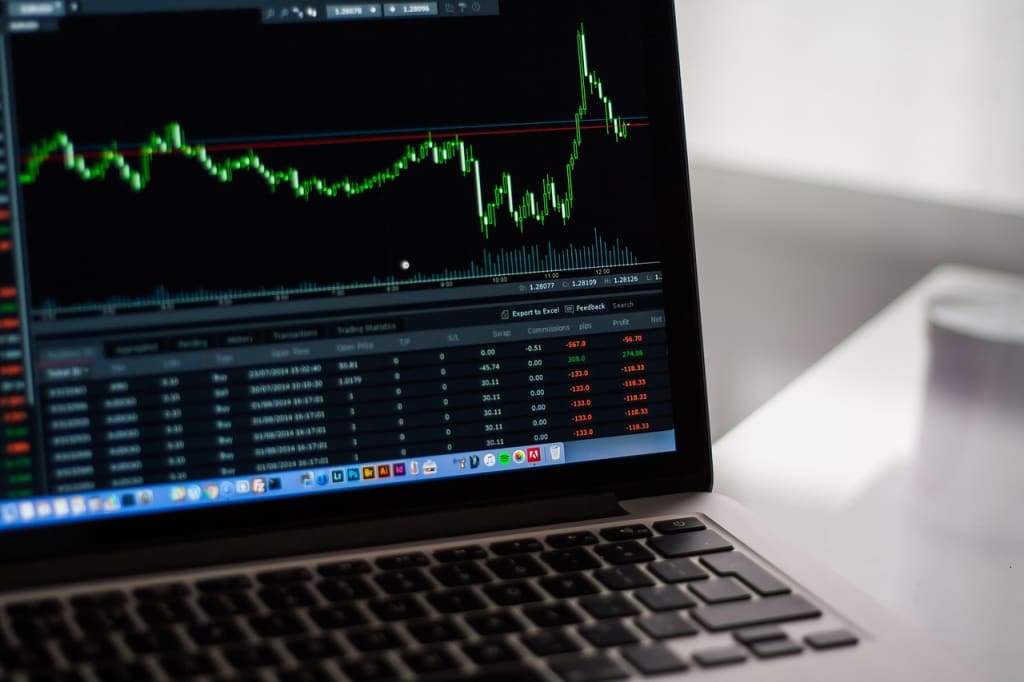
"The concept of generating money through buying and selling stocks within one day can be very intimidating, especially for a new investor. However, the myths regarding day trading being a practice only for experienced investors prove to be wrong, as anyone with a little capital can invest in it. In this article, I will outline the basics of day trading with some strategies and tips that would guide you to take the first step without risking too much.
1. What is Day Trading?
Day trading: Explain it to your readers and make the concept easy to understand.
What it is: Buying and selling stocks or any other financial instrument within the same day for profiting from small price movements.
Why it's different: Day trading is focused on short-term investment and can last from a minute to an hour for most assets.
2. Starting to Day Trade
The following are the main steps to start day trading.
Trading Account Opening
To start trading, open a brokerage account. Popular platforms among beginners include Robinhood, E*TRADE, and TD Ameritrade.
Tip: Pick one that charges low fees and is educational.
Virtual Trading, also called paper trading
Before risking real money, practice with virtual trading. Many platforms offer "paper trading," where you can simulate trades without actual investments.
Tip: This helps you learn the process and understand the market behavior.
Set Your Budget:
Day trading can be risky, so start small. Decide how much capital you're willing to risk, and never trade money you can't afford to lose.
Tip: Most beginners can start with $100 to $500 and then limit from there, depending on their financial situation.
3. Beginner Day Trading Strategies
Introduce some simple strategies that beginners can use to maximize their chances of success.
Scalping
This strategy involves making small profits from minor price changes throughout the day.
How it works: You buy and sell stocks quickly, sometimes holding them for just minutes.
Pro Tip: Focus on high-volume stocks for more opportunities to buy and sell.
Momentum Trading:
This strategy involves buying the stocks that have a rising trend or falling trend based on the news or on earnings reports.
How it works: You're capitalizing on the momentum of price movement.
Pro Tip: Use technical indicators like Moving Averages to track the momentum and the entry points.
Swing Trading (Short Term):
Swing traders hold their stocks for several days or weeks to capture price "swings."
How it works: This is a middle ground between day trading and long-term investing, allowing you to catch more substantial price movements.
Pro Tip: Keep an eye on key support and resistance levels for ideal entry/exit points.
4. Managing Risk in Day Trading
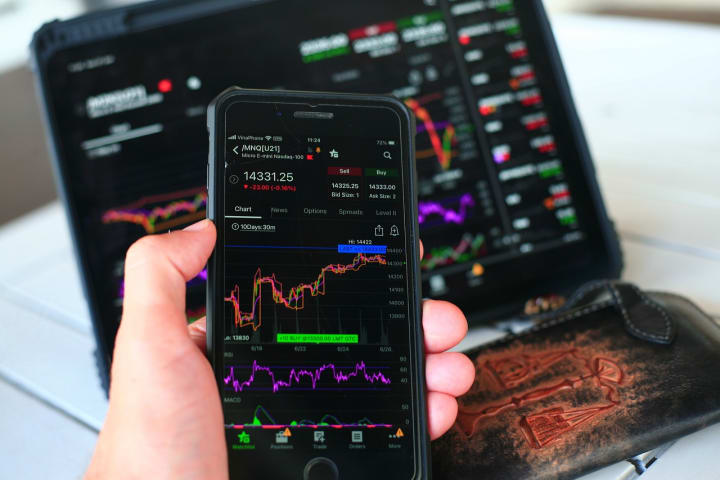
Risk management is an essential part of day trading, particularly for a new trader.
Stop-Loss Orders
A stop-loss order automatically sells a stock when it reaches a specified price, saving you from losing large amounts of money.
Tip: Set stop-loss levels based on your risk tolerance, for example, 2%-5% loss.
Avoid Overleveraging
Leverage allows you to control larger positions with less capital, but it's dangerous, especially if you're new.
Tip: Avoid using leverage when you first begin, and use it as you gain more experience.
Avoid Emotional Trading:
Don't get carried away with the euphoria; emotions will lead to losses. Be patient and keep to your strategy and do not try to make quick money.
5. Tracking Your Progress and Learning from Mistakes
Learn from your mistakes.
Maintain a Trading Journal:
Record each trade you execute, strategy used, reason for the trade, and what happened. It will help you identify patterns and improve your skills.
Tip: Review your journal often to refine your strategy.
Stay Informed:
Day trading needs knowledge of the market. Read financial news, trends, and insights from the most reliable sources to stay up to date.
Tip: Join communities or forums that trade to learn from others and ask questions.
Conclusion
Wrap up with an encouraging message to motivate your readers to start their trading journey.
"Day trading is exciting, but very risky, because it involves making many trades in one day. Caution and knowledge are essential while approaching this trading. Start small, practice on virtual accounts, and learn by doing. It will be a rewarding skill that grows with you over time if you exercise patience and discipline. So, are you ready to take the first step towards trading?
About the Creator
Keep reading
More stories from writers in Trader and other communities.
Australia Oil and Gas Market: Navigating Growth, Transition and Global Demand
The Australia oil and gas market is experiencing a period of measured but resilient growth as it continues to balance domestic energy needs, export commitments and broader energy transition dynamics. According to the latest IMARC Group analysis, the market was valued at USD 406.0 million in 2024 and is projected to reach USD 711.5 million by 2033, representing a compound annual growth rate (CAGR) of 6.43% between 2025 and 2033.
By Amélie Belle5 days ago in Trader
The Lesions of Devotion
Every day I set myself down on the freshly cut lawn and strip myself bare. I take my guitar and finger the frets and pick at the strings, listening for dissonance. My life is dissonance. I twist the tuning pegs until each string sounds bright. Then I kneel, calves pointing behind me, kneecaps facing forward. All exposed to the breeze. I close my eyes and play the melody.
By Paul Stewarta day ago in Fiction




Comments
There are no comments for this story
Be the first to respond and start the conversation.