
Comprehensive Handbook of Underground Power Cables
A comprehensive guide to underground power cable systems.

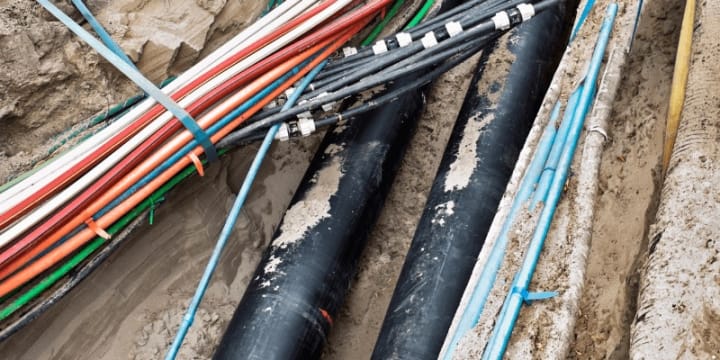
The preferred method of electricity transmission, due to its convenience and ease of installation, is typically overhead cables. This type of cable is widely used in all communities. However, certain circumstances may prevent the use of overhead wires, in which case the most suitable alternative would be an Underground Power Cable.
Typically, various types and quantities of conductors can be found within these cables. This includes traditional PVC cables containing copper, ranging from one to four conductors, as well as aluminum variants. However, it should be noted that copper cables are considered more dependable than other types due to its highly conductive properties.
In addition, cables are categorized by their voltage capacity, with low voltage underground wires capable of transmitting up to 1 kilovolt and high voltage wires capable of operating up to 11 kilovolts.
When selecting a cable, it is vital to take into account various factors, including location, voltage requirements, cable capacity, and recommended type for the project. Underground power cables have distinctive characteristics that correspond with different situations.
Overview of Cable Connectors
The cable connector consists of a conductive metal or alloy tube where bare wires can be inserted and compressed, providing a more dependable connection compared to traditional twisting. Additionally, there are two standardized designs available for cable connectors.
The first option includes a bolt clamp that, when inserted, is tightened until the bolt head breaks, creating the necessary clamping force. This process not only destroys the oxide film during installation, but also ensures that the cable line has the required resistance to prevent rupture. Additionally, the connector housing itself provides a strong grip, making it a reliable choice for any project.
The next design is a crimp, which enables the connector to securely fasten the cable ends by causing deformation.
Types of Cable Connectors
-Tubular connectors are frequently used for crimping in a wide range of industries. Products can be assigned to either copper cable or aluminum cable based on their specific needs. Available in multiple sizes, these connectors come in insulated and non-insulated versions. Tubular connectors are suitable for cables with a core cross-section ranging from 0.5 mm2 to 625 mm2. Alternatively, a reduction connector allows for the connection of wires with different sizes, such as 150 m2 and 50 mm2. Additionally, there are parallel and sealed connectors also available.
-Bolted connectors are secured at the cable ends using breakable bolts, making for a sturdy connection. A noteworthy benefit of bolted connectors is their versatility - one connector can be used for copper and aluminum wires, regardless of their core cross-sections or structures.
-These connectors allow for the seamless connection of copper and aluminum wires without any interruption at the boundary between the two materials. They are specifically designed for this purpose, ensuring a secure and efficient electrical connection.
-Use REKIN connectors for a strong and reliable connection. These connectors have sharp teeth that pierce through enameled insulation, making them suitable for both copper and aluminum wires.

Features and Benefits of Cable Connectors
-The central conductor of the cable enters the rear socket of the connector;
-Cable connectors are easily replaced without desoldering;
-The built-in voltage relief mechanism ensures the movement of the central conductor of the cable;
-Interchangeability of connector types for unmatched flexibility;
-The elimination of solder on the central conductor has more stable electrical chara
Advantages of Using Underground Power Cable
In some situations, overhead electric cables may not be suitable or allowed in certain areas. In these cases, a PVC power cable is the optimal choice for transmitting electricity to a building or community. Additionally, this type of wiring provides several advantages, including:
Increased Life Expectancy
Underneath the ground, PVC wires have the advantage of a longer lifespan compared to overhead cables, as they are less susceptible to external damage. This makes them a reliable choice, reducing the occurrence of power outages.
Improved Aesthetic of Areas
The improper installation of overhead wires can significantly disrupt the aesthetic of a place. Fortunately, by burying the cables underground, the area can maintain a neat and clean appearance. Additionally, this reduces the chances of overcrowding and tangled wires, creating a visually pleasing environment for the building or community.
Low Maintenance Cost
As the cables are safely buried underground, maintaining them does not incur a significant cost due to their protection from potential damages and environmental hazards, such as lightning, high winds, and storms.
Offer Safer Solution
Most electrical accidents are a result of overhead cables, making underground transmission a safer option. This method is not easily accessible to individuals or other entities, reducing the risk of electric shock and other hazards.

How to Install Underground Power Cable
In light of the benefits of using underground cables, you may have considered installing them for your home or other structures. This article aims to provide a straightforward and useful guide to utilizing underground electrical wiring.
Here's how you install underground power cable:
Installations of underground cables can differ based on the local Code of your community or country. Typically, electrical wiring can be placed underground through direct burial or a specific conduit. The processes for each method are similar.
When installing, begin by creating a layout for the cable pathway on the ground. Utilize any available materials, such as a rope, to measure the distance from the power source to the designated area. Then, dig a channel to bury the cables, making sure to use the appropriate equipment. If the recommended depth and length of the pathway are extensive, it is advised to seek the assistance of experts for optimal efficiency.
To properly install the conduit, it is important to first complete the trench and then lay the chosen material, whether it be PVC or metal, onto the channel. If PVC is the material of choice, be sure to securely connect each end with an appropriate solvent glue.
Additionally, connect PVC elbow sweep fittings to both ends of the duct leading upwards and out of the trench. This is a crucial step in routing the cables to their intended location. With the conduit in place, you can utilize fish tape to attach the end of the cable, making it easier to insert and pull the wires through the PVC duct. Cable lubricant may also be applied to facilitate the cable pulling process.
Next, you can arrange and secure the connection inside your house or building. However, it is important to have an inspector verify that you comply with all local Codes to prevent any potential issues with the underground wiring.

What kind of Duct can Use in Underground Power Cable?
When installing underground tables, there are multiple methods to choose from, one of which involves the use of conduit or duct. The type of duct used may vary depending on the specific requirements, budget, and nature of the project. Here are some examples of underground conduits that can be used for your next project.
PVC Duct
The PVC ducts are a cost-effective and widely used option for underground cables due to their lightweight construction. However, don't let that fool you - these conduits are known for their durability, as they are designed to withstand harsh weather conditions and resist water damage.
PVC C Underground Power Cable Duct is a reliable option for those seeking a top-quality, sturdy, and long-lasting conduit. It also provides exceptional heat and weather resistance to safeguard cables from potential damage.
Rigid Metal Duct
The thick and steel-coated duct is an ideal type of conduit for underground cables. Designed to withstand harsh environments, these ducts are heavy and robust. They are well-suited for industrial and heavy-traffic areas, but can be difficult to install and are more expensive than PVC counterparts.
Conclusion
Selecting the appropriate underground power cable type is crucial for optimal results and preventing potential complications. Factors to consider include wire voltage capacity, location, and the type of duct used to shield the cables. PVC ducts are suitable for low voltage cables and low-risk environments, while metal ducts are recommended for high voltage cables and harsh environments.
About the Creator
Keep reading
More stories from china inspection service and writers in Trader and other communities.
The Complete Guides of PCB Assembly Services: The Process and How Works
What is PCB assembly service? The PCB assembly services comprise a vital step in the electronics manufacturing process, where cutting-edge technology is utilized to mount electrical components onto printed circuit boards. This operation is also referred to as printed wiring assembly, circuit card assembly, and electronics assembly.
By china inspection service12 months ago in 01
Halal Cosmetics Market Size & Forecast 2026–2033
The global beauty industry is undergoing a remarkable transformation as consumers increasingly demand ethical, safe, and transparent personal care products. One segment experiencing significant growth is the Halal Cosmetics Market, which has gained global attention due to its emphasis on purity, ethical sourcing, and adherence to Islamic principles.
By shibansh kumarabout 17 hours ago in Trader
Argentina Fintech Market is Expected to Grow USD 4,234.50 Million by 2033 | At CAGR 15.80%
Argentina Fintech Market: Digital Financial Innovation Driving Growth Argentina Fintech Market Overview The Argentina fintech market is witnessing strong expansion as digital technologies continue to transform the country’s financial ecosystem. The market size reached USD 1,130.90 Million in 2024 and is projected to grow significantly, reaching USD 4,234.50 Million by 2033, exhibiting a CAGR of 15.80% during 2025–2033. This rapid growth reflects the increasing demand for modern financial solutions that enhance efficiency, accessibility, and convenience for both individuals and businesses.
By Kim Soo hyun2 days ago in Trader


Comments
There are no comments for this story
Be the first to respond and start the conversation.