
ByteDance Eyes Sample Chip Rollout by March, Plans Deployment of 100,000 AI Units in 2026
ByteDance is targeting sample AI chips by March and plans to deploy around 100,000 AI units in 2026, signaling a major push into in-house artificial intelligence infrastructure.

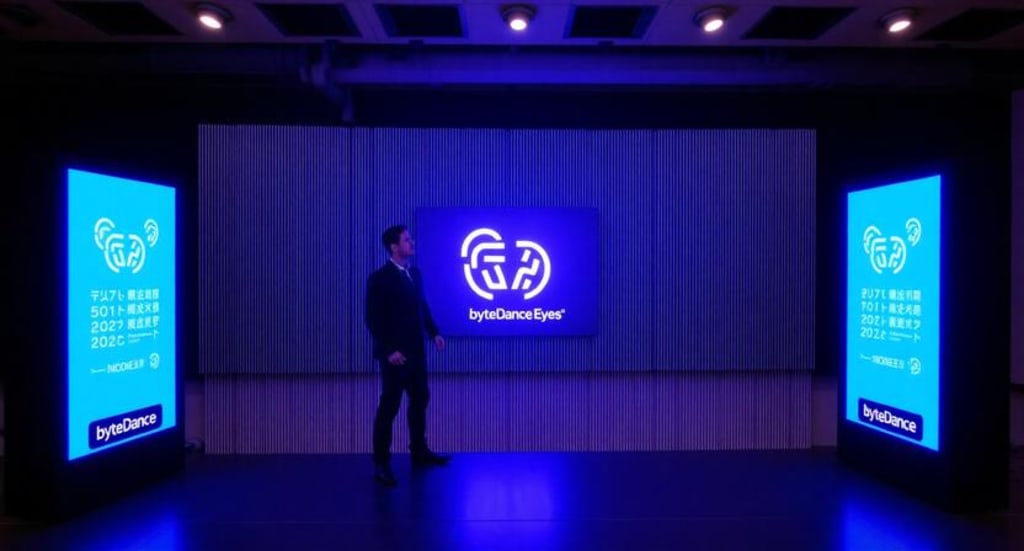
ByteDance, the parent company of TikTok, is accelerating its push into artificial intelligence by targeting the rollout of sample AI chips by March and planning the deployment of nearly 100,000 AI units in 2026. The move highlights ByteDance’s ambition to strengthen its in-house computing capabilities as global competition in AI infrastructure intensifies.
The development signals a strategic shift toward greater control over critical technology, as leading tech companies increasingly look to reduce reliance on external chip suppliers. For ByteDance, which operates data-intensive platforms driven by advanced recommendation algorithms, building its own AI hardware could offer both cost efficiencies and performance advantages.
Why ByteDance Is Investing in AI Chips
AI has become central to ByteDance’s business model. From personalized content recommendations on TikTok and Douyin to advanced advertising systems, the company relies heavily on large-scale data processing and machine learning models.
By developing custom AI chips, ByteDance aims to optimize hardware specifically for its workloads. Tailored chips can deliver better efficiency, lower latency, and improved performance compared to general-purpose solutions. This approach also helps the company manage rising costs associated with third-party AI hardware.
Industry observers see this move as part of a broader trend, with major tech firms increasingly designing proprietary chips to gain a competitive edge in AI-driven services.
Sample Chips Expected by March
According to reports, ByteDance is targeting March for the availability of sample AI chips. This milestone suggests that development has reached an advanced stage, allowing the company to begin testing performance, efficiency, and scalability.
Sample chips are a critical step before mass deployment. They allow engineers to validate designs, fine-tune software integration, and identify potential production challenges. A successful sampling phase would pave the way for larger-scale manufacturing and deployment in the coming years.
Investors and analysts view the March target as an important indicator of ByteDance’s execution capabilities in hardware development.
Plan to Deploy 100,000 AI Units in 2026
Looking further ahead, ByteDance plans to deploy approximately 100,000 AI units in 2026. This ambitious rollout underscores the scale at which the company intends to operate its AI infrastructure.
Such a deployment would significantly boost ByteDance’s computing power, enabling it to train larger models, process vast amounts of data, and support new AI-driven features. The scale of the plan also suggests long-term confidence in AI demand across its platforms.
If executed successfully, this infrastructure expansion could place ByteDance among the leading global players in AI compute capacity.
Strategic Implications for the AI Industry
ByteDance’s chip initiative highlights the growing importance of vertical integration in the AI industry. As demand for AI accelerates, access to reliable and efficient computing resources has become a strategic priority.
Custom chips offer companies more flexibility and resilience, especially amid supply chain constraints and geopolitical uncertainties. By investing early, ByteDance may reduce exposure to market volatility and secure a stable foundation for future growth.
This move also intensifies competition among tech giants, many of which are pursuing similar strategies to strengthen their AI ecosystems.
Challenges and Execution Risks
Despite the potential benefits, developing AI chips is complex and capital-intensive. Challenges include design complexity, manufacturing yields, and software compatibility. Even minor delays or performance issues could impact timelines and costs.
Scaling from sample chips to tens of thousands of deployed units requires close coordination with manufacturing partners and robust testing. Execution will be critical in determining whether ByteDance can meet its ambitious 2026 target.
Analysts caution that while the strategy is promising, successful delivery will depend on sustained investment and technical expertise.
Impact on ByteDance’s Competitive Position
If ByteDance succeeds in deploying its own AI chips at scale, it could gain a meaningful competitive advantage. Improved efficiency and lower costs could enhance margins, while faster AI processing could lead to better user experiences and more effective monetization.
The initiative also signals ByteDance’s intent to remain at the forefront of AI innovation. As platforms increasingly differentiate themselves through AI capabilities, control over core infrastructure becomes a key strategic asset.
Market and Investor Perspective
While ByteDance is privately held, developments in its AI strategy are closely watched by the broader tech and semiconductor markets. Large-scale AI hardware investments can influence demand dynamics across the chip industry.
The plan to deploy 100,000 AI units by 2026 reflects confidence in long-term AI growth trends. Market observers see this as a sign that demand for AI compute is likely to remain strong, supporting continued investment across the ecosystem.
Long-Term Outlook
ByteDance’s push into AI chip development marks a significant step in its evolution from a software-centric company to a vertically integrated technology leader. The success of this initiative could shape its competitive position for years to come.
As AI continues to redefine digital platforms, investments in custom hardware may become increasingly common. ByteDance’s progress will be closely followed as a case study in how major tech firms adapt to the demands of the AI era.
Conclusion
ByteDance’s plan to roll out sample AI chips by March and deploy around 100,000 AI units in 2026 highlights its growing ambition in artificial intelligence infrastructure. The strategy reflects a broader industry shift toward in-house chip development to support scalable and efficient AI operations.
While execution challenges remain, the initiative positions ByteDance to strengthen its technological foundation and compete more effectively in the rapidly evolving AI landscape. If successful, this move could play a pivotal role in shaping the company’s long-term growth trajectory.
About the Creator
Hammad Nawaz
Hammad here, sharing stock market insights, trading strategies, and tips. Helping traders understand trends, risk, and opportunities in equities, forex, and commodities.
Keep reading
More stories from Hammad Nawaz and writers in Trader and other communities.
BHEL Shares Slide 6% as ₹4,422 Crore Offer for Sale Opens to Investors
Shares of Bharat Heavy Electricals Limited (BHEL) declined sharply, falling around 6%, as a ₹4,422 crore Offer for Sale (OFS) opened for subscription. The stock came under selling pressure as investors reacted to the increased supply of shares in the market, a common trend seen during large government-led divestments.
By Hammad Nawaz2 days ago in Trader
Global Smart Speaker Market Size and Forecast 2025–2033
Introduction: The Rise of Voice-First Technology The way people interact with technology has undergone a dramatic transformation over the past decade. From typing commands and tapping screens, users are increasingly shifting toward voice-driven interfaces that feel more natural, faster, and more intuitive. At the heart of this change lies the global smart speaker market, a sector that has quickly evolved from a novelty category into a central pillar of the smart home and digital lifestyle ecosystem.
By shibansh kumar2 days ago in Trader
Australia Advertising Market — Growth, Forecast & Strategic Insights
The Australia advertising market continues to adapt to rapidly evolving media landscapes and consumer behaviours. According to IMARC Group, the market reached USD 21.7 billion in 2025 and is projected to grow to USD 27.8 billion by 2034, exhibiting a compound annual growth rate (CAGR) of 2.83% during 2026–2034.
By Amélie Belle2 days ago in Trader


Comments
There are no comments for this story
Be the first to respond and start the conversation.