
Building an Emergency Fund: Why It's Crucial for Financial Stability
Personal finance


In today's uncertain world, financial stability has become a top priority for individuals and families alike. One key component of achieving this stability is the establishment of an emergency fund. An emergency fund acts as a safety net, providing a cushion of financial security during unexpected situations. This article delves into the importance of building an emergency fund and highlights why it is crucial for maintaining long-term financial stability.
Unforeseen Circumstances Can Strike Anytime
Life is unpredictable, and it often throws unforeseen circumstances our way. A sudden job loss, a medical emergency, or an unexpected home repair can have a significant impact on our finances. Without an emergency fund, individuals may find themselves resorting to high-interest loans, accumulating debt, or making hasty financial decisions that can further worsen their situation. Having a robust emergency fund in place ensures that you have the means to tackle these unexpected challenges without derailing your financial stability.
Protecting Against Income Loss
One of the primary reasons for building an emergency fund is to safeguard against income loss. Many individuals rely on a single source of income, such as their job, to cover their expenses. However, the job market can be volatile, and even the most secure positions can be subject to layoffs or downsizing. An emergency fund serves as a financial buffer, allowing you to cover your essential expenses and maintain your lifestyle while searching for new employment. It grants you the peace of mind to focus on finding the right opportunity instead of settling for a job out of desperation.
Avoiding Debt and Its Consequences
In times of financial strain, people often turn to credit cards or loans to make ends meet. While this might offer temporary relief, it can lead to a cycle of debt that is difficult to escape. High-interest rates, penalties, and fees can quickly accumulate, placing an additional burden on your finances. By having an emergency fund, you can avoid relying on credit and protect yourself from falling into a debt trap. With ready cash available, you can handle unexpected expenses without incurring interest charges or jeopardizing your long-term financial goals.
Weathering Economic Downturns
Economic downturns are inevitable and can have far-reaching consequences on personal finances. During recessions or market fluctuations, job security may diminish, investments may decline, and financial markets may become volatile. An emergency fund acts as a financial shield, allowing you to weather these storms with greater resilience. It provides the means to cover your expenses during lean times and prevents you from making impulsive decisions that could have long-term repercussions.
Peace of Mind and Reduced Stress
Financial stress can take a toll on one's mental and physical well-being. Constantly worrying about making ends meet, living paycheck to paycheck, or facing a financial crisis can lead to anxiety, sleeplessness, and a decline in overall health. Having an emergency fund offers peace of mind, knowing that you are prepared for the unexpected. It provides a sense of security and allows you to focus on other important aspects of your life, such as your career, family, and personal growth.
Building a Foundation for Long-Term Financial Success
An emergency fund serves as the foundation for long-term financial success. By diligently saving and building a reserve of funds, you cultivate healthy financial habits and develop discipline in managing your money. It instills a sense of financial responsibility and helps you prioritize saving for the future. Additionally, having an emergency fund in place frees up resources to invest in opportunities that can grow your wealth and secure your financial future.
Conclusion
Building an emergency fund is an essential step towards achieving financial stability. Life is full of uncertainties, and having a safety net to fall back on can mean the difference between financial ruin and resilience. By establishing an emergency fund, you protect yourself from unforeseen circumstances, avoid debt, and gain peace of mind. It forms the cornerstone of your financial well-being, enabling you to weather economic downturns and build a solid foundation for long-term success. Make it a priority to start building your emergency fund today and safeguard your financial future.
About the Creator
William G.
Join me on a journey to conquer debt, build wealth, and achieve financial freedom. With practical tips, expert advice, and a sprinkle of motivation, let's transform your relationship with money and make your dreams a reality.
Keep reading
More stories from William G. and writers in Trader and other communities.
The Art of Budgeting: How to Take Control of Your Finances
In today's fast-paced world, it is crucial to have a firm grip on your finances. The art of budgeting empowers you to take control of your financial future and make informed decisions about your money. By adopting a disciplined approach and prioritizing your financial goals, you can pave the way for a secure and prosperous future. In this article, we will delve into the essential strategies and techniques to help you master the art of budgeting.
By William G.3 years ago in Trader
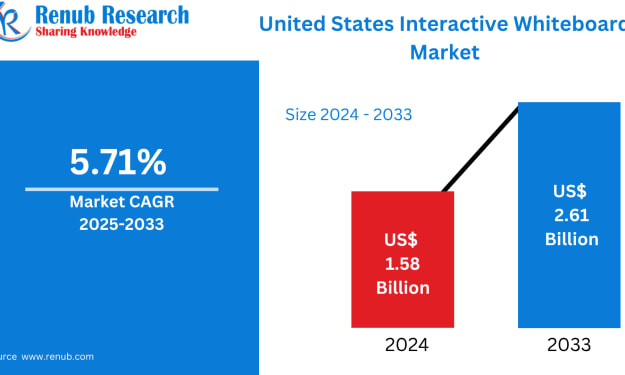
United States Interactive Whiteboard Market Size and Forecast 2025–2033
Introduction The United States is undergoing a significant transformation in how information is shared, taught, and collaboratively developed. From digital classrooms and university lecture halls to corporate boardrooms and remote work environments, interactive technologies are redefining traditional communication tools. Among these, interactive whiteboards (IWBs) have emerged as one of the most powerful and versatile platforms for enhancing engagement, productivity, and real-time collaboration.
By Marthan Sir5 days ago in Trader
Australia Skin Treatment Market Set for Steady Growth as Clinical and Aesthetic Care Converge
The Australia Skin Treatment Market is witnessing sustained expansion as dermatological care and aesthetic services increasingly intersect with preventive and corrective health practices. According to IMARC Group’s latest research, the market was valued at USD 376.84 million in 2025 and is expected to reach USD 498.25 million by 2034, growing at a compound annual growth rate (CAGR) of 3.02% during 2026–2034.
By Rashi Sharmaabout 12 hours ago in Trader



Comments