
Books to Get You Started with Investing in The Stock Market
Read this before entering the stock market!

Back in 2020, I had an idea of what investing was but never spared the time to learn what is the stock market, how it works, and why use stock as a financial instrument.
Like everybody else, I want to save my money. Buy stocks that most people bought, hold them long enough, sell them at my retirement age, and eventually, the return can provide till I grew old.
All experienced traders I know said to dump your money to the blue-chip, to trust in the blue-chip performance. It can never go down, it's too big to fall. Just buy the big cap-sized stocks, which had a record of 10 years and more of uptrend price and still going strong!
But who has the patience right? In this era of technology, everything moves so fast, people were hyping up their portfolio on social media, and how they got it from the stock market. I want some too. So I decided to try swing trading, then daily trading, and even tried foreign exchange and cryptocurrency. It worked for a while, then I realized that my portfolio was going nowhere.
The problem is, 2020 was the year when everything was cheap enough for even an inexperienced investor to buy a stock, hold for a while, and will gain a profit with small effort.
Then that profit made you think that you were so good at investing! The circumstances and regulations at that particular time were the worst to learn about the stock market. It didn't teach me anything on how to prepare for the bear market, how to deal with FOMO, analyzing risk, and the stock itself.
Traders usually don't care much about the stock's business model, and they rarely look deeper into the company's annual report and financial statements.
Their primary goal is to know where the price of the stock is, what news revolving around it, the traffic volume of transactions for the day, and price charts movement.
Long story short, I met one of my friends who'd been in the stock market for 3–5 years. He told me that he spent most of his time researching stocks to find a bargain in the market. He explained that researching the company's stock helps to build confidence for investors to buy the stock in a large sum.
The best part is you can measure the money that will go into the stock based on your confidence level through your research. And you can skip the stock if there's too much red flag.
Then, how to do the research? What kind of metrics do we need to find in the report? Which indicators to look at in the financial statement?
So, below are my recommendations for anyone who wants to start learning about the stock market and understanding financial statements. Mind that the links are part of the amazon affiliate program.
1. Introduction
The Most Important Thing - by Howard Marks.
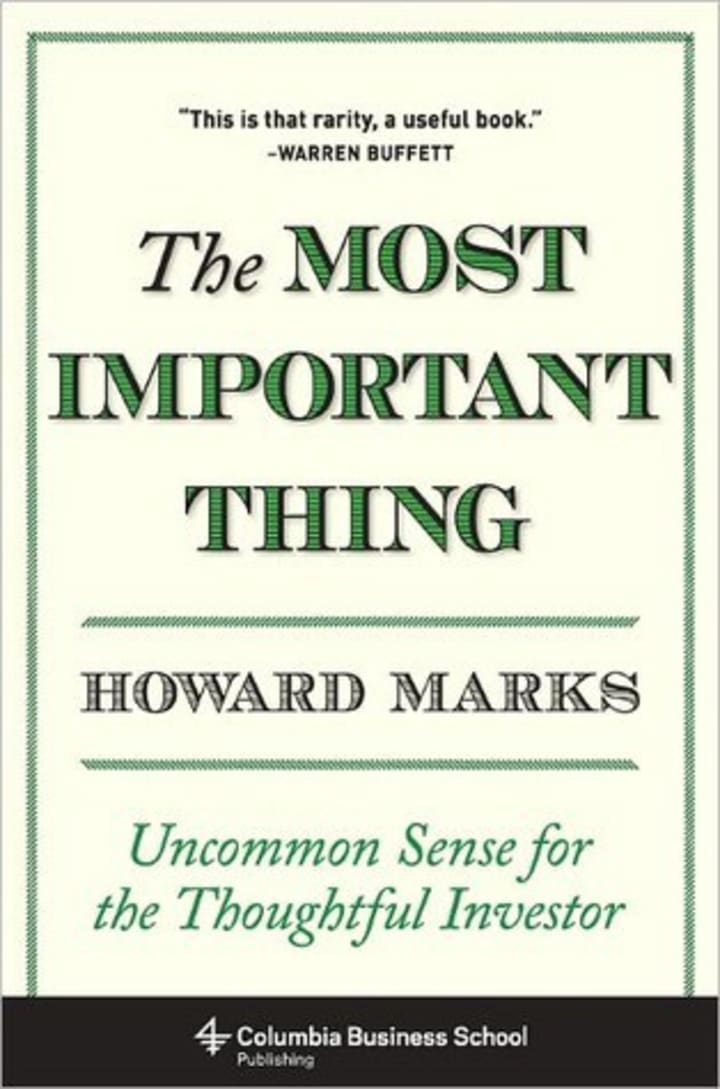
It was one of the best books I've ever read about the stock market. The book explains in basic terms the stock market, the cycle that the market went through, how to find value, understanding and recognize risk in the stock market, how to become a contrarian investor, and other basic fundamentals.
One of the great learnings from the book is that the author always reminds us to never predict but always prepare for whatever outcome will come because everything can happen in the stock market. We can't know what's in the future but we can always prepare for the worst yet to come.
Overall, it's a good starter guide to understand the stock market and change your paradigm towards investing. Check out the memo, Howard Marks Memo, in there you will gain insight into troubling and doubting times.
2. Find Your Bagger
Understanding the stock market isn't enough. You need to know which stocks to buy, how to identify them, when to buy and sell, and what kind of state the stocks are currently in.
One up on Wall Street - by Peter Lynch to learn how to pick stocks.
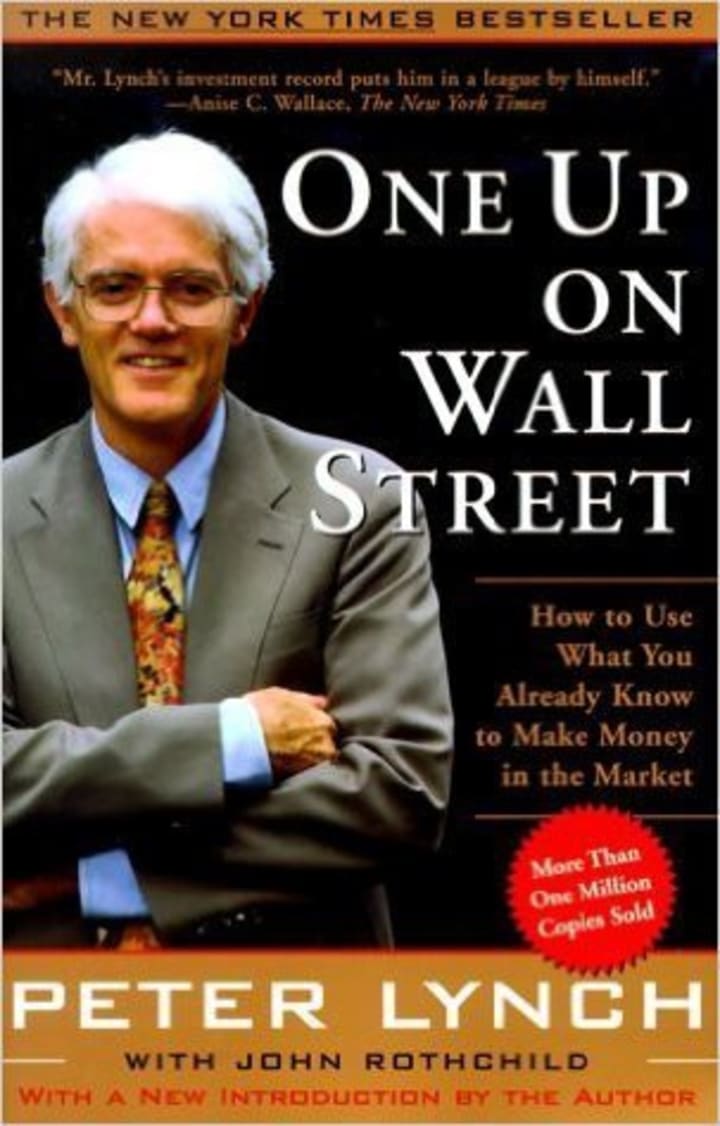
The book was easy enough to understand and it was enjoyable, as if like being told a bedtime story.
The author teaches how to select stocks from our daily usage products, how to categorize the stocks based on their company size, which one to avoid, how to get the research materials, what the famous number and key metrics mean in assessing the stock, and when to buy or sell the stocks.
Managing a mutual fund for 13 years and as one of the few who outperformed the index fund in the late '90s shows how great this book is.
3. Practice and Practice
After knowing the fundamentals and updating your mental model, what's left is to practice analyzing the financial statements.
Warren Buffet and The Interpretation of Financial Statements- by Mary Buffet & David Clark
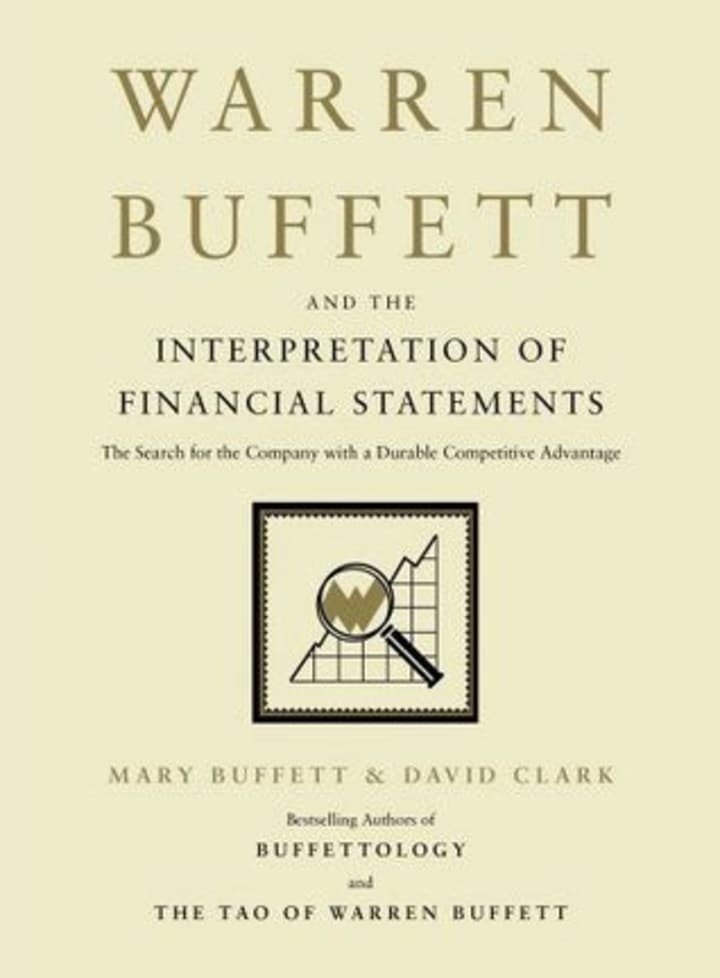
This book explains in detail how to read financial statements from line to line, also gives a great example from Warren's early investment in choosing good companies with a durable competitive advantage.
By understanding the meaning of each line in the financial statements, we can learn the financial condition of a company. We also learn when the numbers are telling us the truth or not so we can avoid financial shenanigans done by the fraud experts.
Conclusion
Even after finishing these three books, I still struggle to build a deep conviction in buying a stock. Just because the company's earnings are up doesn't mean you should buy the company's stock.
It takes a lot more effort and research to study the company's business model. To build that conviction, you need to know how the company generates cash, what will they do with its earnings, how the company grows its business, or if the company takes a wrong decision to diversify its assets into worse conditions?
Don't stop learning analyzing stock, because each stock can be analyzed differently. It's a lifetime journey, a lot can happen in one year or even in one quarter, so we must keep up to date with the stock's performance, keep learning their financial statements, and that's what makes a great investor.
About the Creator
Keep reading
More stories from writers in Trader and other communities.



Comments
There are no comments for this story
Be the first to respond and start the conversation.