
Bitcoin and the Long Road From Internet Idea to Global Asset
Bitcoin did not arrive with a parade. It appeared quietly, almost shyly, during a time when trust in systems was already fragile.

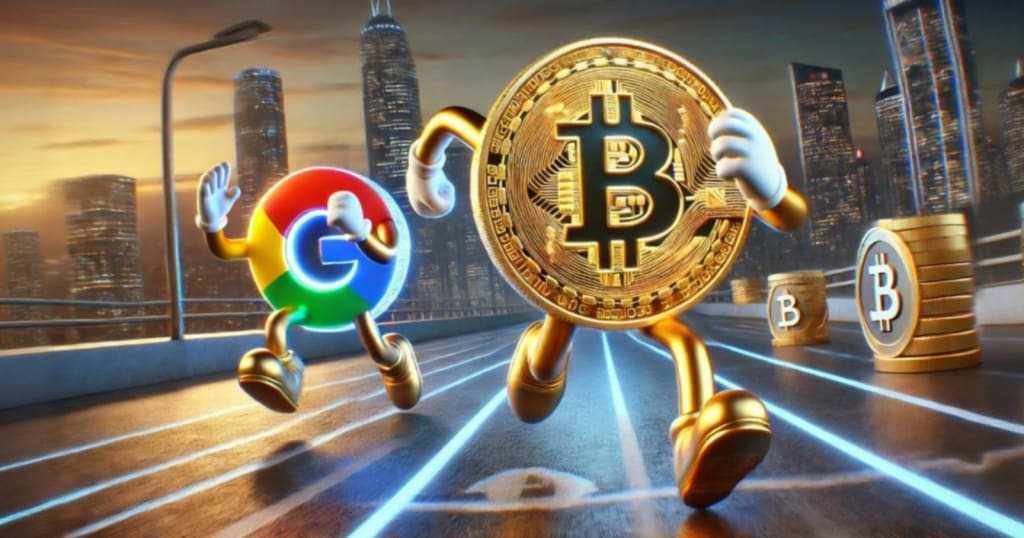
Bitcoin did not arrive with a parade. It appeared quietly, almost shyly, during a time when trust in systems was already fragile. At first, it felt like an idea meant only for programmers and online forums. Years passed, and the word bitcoin slowly entered everyday conversations. Some spoke of hope. Others spoke of fear. Many simply felt confused. What makes this digital thing matter so much? Why does it stir such strong emotions across countries and generations? Bitcoin is not just about money. It reflects doubt, belief, patience, and risk. To understand bitcoin is to understand how people respond when old systems feel heavy and new paths appear uncertain. This story is about that tension, and why bitcoin continues to matter.
The Birth of Bitcoin
A Response to Broken Trust
Bitcoin was created during a time when many people had lost faith in traditional financial systems. Banks were failing. Governments were rescuing institutions while ordinary people struggled. In this atmosphere, bitcoin appeared as a proposal, not a promise.
The idea was simple on the surface. A digital form of money that does not rely on banks or central authorities. No single owner. No central switch. Just code and agreement.
For some, this felt risky. For others, it felt honest.
An Anonymous Beginning
Bitcoin’s creator used the name Satoshi Nakamoto. No face. No confirmed identity. This mystery added to the curiosity and doubt.
Some people saw this anonymity as a flaw. Others saw it as protection. The system mattered more than the person behind it.
That absence of ownership helped bitcoin grow without a leader controlling its direction.
Understanding What Bitcoin Is
More Than Digital Coins
Bitcoin is often described as digital money, but that description misses something important. Bitcoin is a system. It is a shared record that anyone can check.
Each transaction is recorded on a public ledger known as the blockchain. This ledger is copied across thousands of computers. No single copy decides the truth.
This structure reduces the need for trust in people. Instead, trust is placed in math and consensus.
Scarcity by Design
One of bitcoin’s most discussed features is its limited supply. There will only ever be 21 million bitcoins. This limit is written into the system.
Unlike traditional currencies, bitcoin cannot be printed at will. This scarcity influences how people view its value.
For many, it feels closer to a digital form of gold than everyday cash.
Early Adoption and Skepticism
Used by the Curious
In its early years, bitcoin attracted a small group of users. They were curious, technical, and often skeptical of authority.
Transactions were slow. Prices were low. Mistakes were common.
People lost access to wallets. Coins were misplaced forever. These losses became part of bitcoin’s early history.
Public Doubt and Media Fear
As bitcoin gained attention, criticism followed. Headlines focused on volatility and illegal use.
These concerns were not entirely wrong. Any new system can be misused. But fear often overshadowed discussion.
Bitcoin became a symbol of uncertainty, which pushed many people away before they truly understood it.
Bitcoin as a Store of Value
Holding Instead of Spending
Over time, people began treating bitcoin less like spending money and more like something to hold.
The idea of holding bitcoin for years became common. This behavior came from belief in long-term value rather than short-term convenience.
People compared it to saving gold. Not because it looks similar, but because it feels separate from everyday systems.
Emotional Attachment to Ownership
Owning bitcoin often feels personal. There is no bank statement mailed to your home. No customer service line.
Responsibility rests with the owner. This can be empowering for some and frightening for others.
That emotional weight shapes how people interact with bitcoin.
Price Volatility and Human Reaction
Sharp Rises and Sudden Drops
Bitcoin’s price is known for sharp movement. It can rise quickly and fall just as fast.
These swings trigger strong emotions. Excitement. Panic. Regret.
Many people buy during moments of hope and sell during moments of fear. This cycle repeats often.
Learning Patience Through Loss
Those who stay with bitcoin long enough often speak about patience. Not because it is easy, but because it is necessary.
Volatility teaches restraint. It forces people to confront their tolerance for uncertainty.
For some, this lesson comes at a high cost.
Mining and Energy Debate
How Bitcoin Is Secured
Bitcoin relies on miners to process transactions and secure the network. Mining involves solving complex problems using computing power.
This process requires energy. That fact has sparked debate.
Some argue that bitcoin uses too much energy. Others argue that energy use depends on choices made by miners.
Searching for Balance
Many mining operations now explore renewable energy. Others use excess energy that would otherwise be wasted.
The conversation around energy is ongoing. It reflects a broader concern about responsibility and growth.
Bitcoin forces this conversation into the open.
Bitcoin and Government Attention
Regulation and Control
As bitcoin grew, governments took notice. Some welcomed it cautiously. Others reacted with restriction.
Regulation varies widely by country. This lack of consistency adds uncertainty for users and businesses.
Yet bitcoin continues to operate regardless of borders.
Fear of Losing Authority
Bitcoin challenges traditional ideas of control. It moves value without permission.
For governments, this creates tension. For citizens, it raises questions about freedom and responsibility.
The balance between oversight and autonomy remains unresolved.
Bitcoin in Everyday Life
Limited Daily Use
Despite its popularity, bitcoin is not widely used for daily purchases. Price changes make spending feel risky.
People hesitate to use something today that may feel more valuable tomorrow.
This hesitation shapes bitcoin’s role as a long-term asset rather than daily currency.
Small Steps Toward Adoption
In some places, bitcoin is used for payments. These cases are still limited but meaningful.
They show that use is possible, even if not widespread.
Adoption moves slowly, shaped by trust and habit.
Security and Personal Responsibility
Owning Your Keys
Bitcoin ownership comes with responsibility. Losing access to private keys means losing access to funds.
There is no recovery desk. No override.
This reality forces users to think carefully about storage and security.
Fear and Freedom
Some find this responsibility stressful. Others find it freeing.
Bitcoin removes intermediaries, but it also removes safety nets.
This trade-off defines the user experience.
Cultural Impact of Bitcoin
A Symbol of Resistance
For some, bitcoin represents resistance to financial control. It stands for independence.
This symbolism attracts people who feel excluded or overlooked by traditional systems.
Bitcoin becomes more than money. It becomes an idea.
Division and Debate
Bitcoin also divides opinion. Supporters and critics often speak past each other.
Some see progress. Others see risk.
This tension keeps bitcoin in constant discussion.
Bitcoin and Financial Inclusion
Access Without Permission
Bitcoin allows anyone with internet access to participate. No credit checks. No paperwork.
This access matters in regions where banking is limited.
It offers an alternative, though not a perfect one.
Barriers Still Exist
Technical knowledge and internet access remain obstacles.
Bitcoin does not solve every problem. It offers another option, not a complete answer.
Understanding this helps ground expectations.
Environmental and Ethical Questions
Responsibility Beyond Code
Bitcoin’s design is neutral, but its impact is shaped by human choices.
Energy sources. Regulation. Use cases.
These choices determine whether bitcoin’s presence feels responsible or careless.
Ongoing Conversation
There is no final answer yet. The discussion continues as technology and awareness change.
Bitcoin invites these questions rather than avoiding them.
Media Narratives and Public Perception
From Curiosity to Fear to Acceptance
Media coverage of bitcoin has shifted over time. Early curiosity gave way to fear. Gradually, coverage became more balanced.
Still, headlines often focus on extremes.
This shapes how newcomers approach the subject.
The Need for Context
Bitcoin’s story is complex. Simple narratives fail to capture it fully.
Understanding requires patience and willingness to learn beyond surface reactions.
Bitcoin and the Future of Money
Not a Replacement for Everything
Bitcoin is unlikely to replace all forms of money. Instead, it may exist alongside them.
Different tools serve different needs.
This coexistence allows flexibility rather than dominance.
An Ongoing Experiment
Bitcoin is still evolving. Its role is not fixed.
People shape its future through use, belief, and criticism.
That openness keeps it relevant.
Common Misunderstandings About Bitcoin
Not Just for Speculation
While many focus on price, bitcoin’s core idea goes deeper.
It is about structure and trust, not just profit.
Reducing it to speculation misses its foundation.
Not Completely Anonymous
Bitcoin transactions are public. They are visible, though identities may not be obvious.
This transparency is often misunderstood.
Understanding this changes how people view privacy.
Personal Stories and Emotional Connection
Fear of Missing Out
Many people first hear about bitcoin through others’ success stories.
This can lead to rushed decisions.
Emotion often enters before understanding.
Learning Through Experience
Over time, users learn through mistakes and reflection.
Bitcoin becomes less mysterious and more grounded.
This journey is different for everyone.
Education and Responsibility
The Importance of Learning
Bitcoin requires effort to understand. There are no shortcuts.
Learning reduces fear and poor decisions.
This education happens slowly, often through experience.
Shared Knowledge
Communities form around discussion and learning.
These spaces help people navigate uncertainty together.
Bitcoin’s Place in a Changing World
A Mirror of Distrust
Bitcoin reflects global unease with systems that feel distant or rigid.
It exists because questions exist.
Ignoring it does not erase those questions.
An Invitation to Rethink
Bitcoin invites people to rethink value, trust, and ownership.
Not everyone will accept that invitation.
But the conversation itself matters.
Final Thoughts on Bitcoin
Bitcoin is not simple, and it is not perfect. It carries hope, fear, and contradiction. Some see it as a risk. Others see it as a refuge. Most people are still deciding. What makes bitcoin unique is not just its technology, but the way it forces reflection. It asks who we trust, what we value, and how much responsibility we are willing to carry. Whether bitcoin grows quietly or loudly, it has already left a mark. It changed how people talk about money, control, and choice. That conversation is far from over.
About the Creator
Muqadas khan
Hi! Welcome to my Vocal page. I’ll be sharing fresh articles every day covering stories, ideas, and a bit of inspiration to brighten your feed. Thanks for reading and supporting daily writing! 📖💫
Keep reading
More stories from Muqadas khan and writers in Trader and other communities.
BTC and the Human Story Behind Digital Money Fear
Money has always been emotional. It carries hope, stress, memory, and survival in quiet ways. When BTC first appeared, many people laughed at it. Some ignored it. Others felt curious but afraid to step closer. A currency made from code sounded strange, almost unreal. Yet over the years, BTC kept returning to the conversation, especially during times when trust in traditional systems felt weak. People did not just see charts and prices. They saw possibility, risk, and sometimes regret for not paying attention earlier. The story of BTC is not only about technology or markets. It is about human behavior under uncertainty. It is about belief, doubt, patience, and fear. To understand BTC, you have to understand the emotions around it.
By Muqadas khan6 days ago in Trader
Americans Buying Property in Spain - Complete 2026 Guide
Spain remains one of the world’s most attractive destinations for real estate investment, lifestyle relocation, and holiday home ownership. With sun-soaked beaches, world-class cities, solid legal protections, and relatively affordable markets compared to many U.S. metros, demand from Americans has grown significantly in recent years.
By TEKCE Real Estate6 days ago in Trader
Axel Fabela Iturbe on the Game Theory of Trading
Financial markets are often portrayed as places driven purely by numbers, charts, and economic indicators. However, Axel Fabela Iturbe believes that trading is, above all, a complex strategic game between human beings. Prices do not move simply because of mathematics—they move because millions of participants interpret information, react emotionally, and attempt to outthink one another. To truly understand markets, a trader must think not only like an analyst, but also like a strategist.
By CyberMacroa day ago in Trader
A Love Forboding
The chipped stone slope caused unbearable footing. I slid, skirting on my heels. I cast my shield, relinquishing my guard to stay upright. Left with my double-edge and a prayer to the maker, I skated toward my objective. The earthly stubble gave way to solid ground. I found myself restored, a trail of dust in my wake.
By James U. Rizzi5 days ago in Fiction


Comments
There are no comments for this story
Be the first to respond and start the conversation.