
Australia Fitness App Market Set for Explosive Growth as Health and Tech Trends Converge
With rising health awareness, smartphone penetration, personalized digital experiences and AI-driven engagement, the Australia fitness app market is expected to expand from USD 70.1 Million in 2025 to USD 401.5 Million by 2034 at a CAGR of 21.40%.

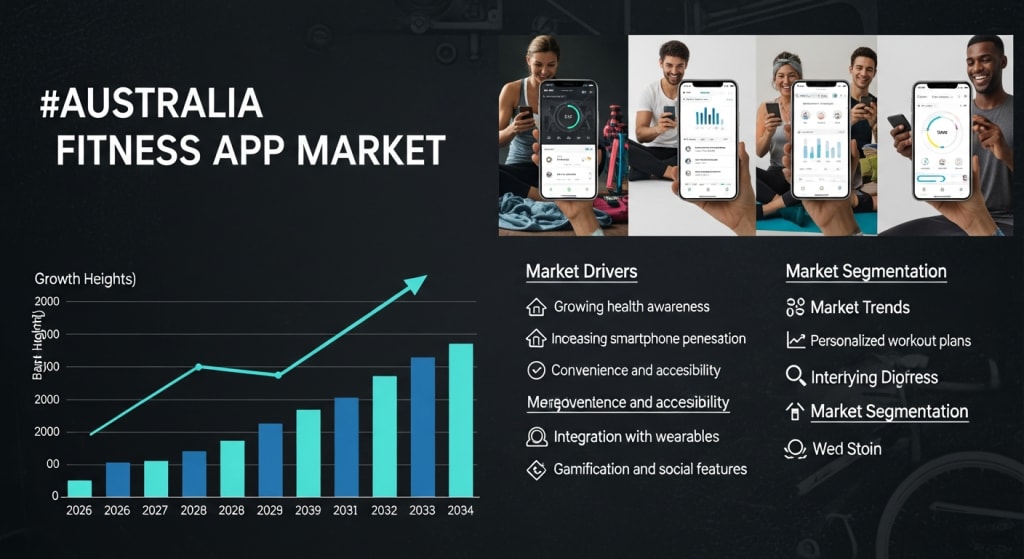
The Australia fitness app market is entering a transformative phase, propelled by increasing consumer focus on health, digital adoption and the seamless integration of fitness into everyday routines. According to IMARC Group, the market reached USD 70.1 Million in 2025 and is forecast to surge to USD 401.5 Million by 2034, representing a robust compound annual growth rate (CAGR) of 21.40% between 2026 and 2034.
Fitness apps — mobile and tablet applications offering exercise guidance, diet tracking, activity monitoring and personalized wellness plans — are becoming mainstream tools for people of all ages. These platforms leverage data analytics, artificial intelligence (AI) and wearable device integration to provide real-time feedback, tailored recommendations, and motivational support that conventional fitness regimes cannot match.
Historically, the market’s steady expansion stems from Australia’s high smartphone penetration, rising disposable incomes, and a health-conscious population that increasingly seeks convenience-oriented fitness solutions. As users embrace digital tools to manage personal health goals and access workouts on-demand, fitness app engagement continues to strengthen across urban and regional demographic segments.
Looking ahead, the market’s projected acceleration reflects an ongoing shift to digital health ecosystems, where consumers expect seamless integration between fitness, nutrition, and broader wellness features. The result is a vibrant ecosystem of mobile fitness platforms that blend lifestyle, technology and community-driven experiences — a trend further amplified by wearable tech integration and localized content offerings.
Why the Market Is Growing So Rapidly
1. Rising Health Awareness and Preventive Health Focus
Australian consumers are increasingly prioritizing preventive health and lifestyle management, spurring demand for fitness apps that offer structured exercise routines, activity tracking and holistic wellness guidance. This shift is supported by public health messaging and greater awareness of lifestyle diseases, motivating users to supplement traditional exercise with digital tools.
2. Widespread Smartphone and Wearable Adoption
The proliferation of smartphones and wearable devices underpins the fitness app boom. The extensive use of mobile devices allows users to engage with fitness platforms anytime, anywhere, while wearables provide real-time biometric data — such as heart rate, sleep patterns and steps taken — that enhances app functionality and personalization.
3. Personalized and AI-Enhanced Experiences
Fitness apps increasingly leverage AI and machine learning to tailor workouts, recommend nutrition plans, and adjust schedules based on user performance. Personalized insights and adaptive coaching make apps more effective and engaging than one-size-fits-all alternatives, driving higher retention and deeper user engagement.
4. Demand for Convenience and Flexibility
Modern lifestyles often limit time for gym visits or fixed workout schedules. Fitness apps enable users to pursue on-demand workouts, follow guided sessions at home, and join community challenges — all at their convenience. This flexibility resonates particularly with busy professionals, parents and remote workers.
5. Integration of Gamification and Social Features
Gamification elements — such as badges, achievement streaks, leaderboards, and social challenges — boost user motivation and make fitness participation more enjoyable. Social networking functions also create communities that support accountability and foster long-term engagement.
What the Opportunities Are
1. Enhanced AI and Predictive Analytics
Developers can expand AI-driven features that predict user behavior, adapt goals dynamically, and deliver insights that help users achieve long-term health outcomes.
2. Partnerships with Wearable and Health Tech Providers
Collaborations with wearable manufacturers and digital health platforms can deliver richer experiences by seamlessly integrating biometric tracking, diet monitoring and lifestyle recommendations.
3. Localized and Culturally Relevant Content
Offering content that resonates with Australian lifestyles — including localized training plans, language options and diet plans reflecting regional preferences — can deepen market penetration.
4. Corporate Wellness and B2B Solutions
Fitness apps can tap into the growing corporate wellness segment, offering tailored programs for employee health and productivity benefits as businesses invest more in workforce wellbeing.
5. Expansion into Mental and Holistic Wellness
Integrating mindfulness, stress management and sleep-tracking modules can broaden appeal and position fitness apps as comprehensive health platforms.
6. Tiered Subscription and Freemium Models
Flexible pricing and subscription structures — including freemium models combined with premium offerings — can attract wider audiences and boost monetization opportunities.
7. Social and Community-Driven Engagement Features
Strengthening social networking, community events, peer challenges and group coaching features can significantly enhance user engagement and increase long-term retention.
February 2025: Regulatory Action: Australia’s digital health policy bodies updated data privacy and interoperability guidelines for mobile health applications, including fitness apps, to ensure secure user data exchange and encourage industry best practices. This has boosted investor confidence and set clearer standards for app developers integrating health metrics across platforms.
June 2025: Company Expansion: A leading global fitness app provider announced the launch of a localized version of its platform catering specifically to Australian users, featuring region-focused workout plans and diet tracking. The company also expanded partnerships with major Australian wearable brands, leading to a reported 35% increase in subscriber growth within the first quarter post-launch.
September 2025: Market Growth Milestone: Industry analysts reported that fitness app downloads and in-app engagement in Australia surpassed previous adoption records, with engagement time up by more than 40% year-on-year. Users are increasingly relying on digital fitness solutions for regular workouts and nutrition guidance, reflecting sustained demand and deeper market penetration.
Why Should You Know About the Australia Fitness App Market?
The Australia fitness app market encapsulates the intersection of health consciousness, mobile technology and personalized digital experiences. For investors, it represents a high-growth segment with strong adoption trends, diverse monetization models and recurring revenue potential. For app developers and tech innovators, the market offers fertile ground for differentiated solutions that blend AI, gamification and wearable integration. Healthcare providers and policymakers benefit by aligning digital wellness tools with public health strategies to promote preventive care and reduce lifestyle disease burdens. As Australians increasingly embrace mobile solutions for fitness and wellbeing, the fitness app ecosystem is poised to become a cornerstone of the broader health-tech landscape — offering long-term value for businesses, consumers and the health economy alike.
About the Creator
Rashi Sharma
I am a market researcher.
Keep reading
More stories from Rashi Sharma and writers in Trader and other communities.
Australia Faucet Market Flows Toward Strong Growth on Construction, Water Efficiency & Smart Tech Adoption
The Australia faucet market is experiencing a dynamic growth phase as consumer demand, regulatory momentum, and construction activities converge to drive broader adoption of modern plumbing fixtures. According to IMARC Group, the market was valued at USD 661.13 Million in 2025 and is expected to reach USD 1,142.71 Million by 2034, exhibiting a compound annual growth rate (CAGR) of 6.27% over 2026–2034.
By Rashi Sharma4 days ago in Trader
Novo Nordisk Stock: The Steady Climber Winning Investor Trust Worldwide
Novo nordisk stock continues to gain attention from investors who prefer calm and steady growth. In a market full of noise and fast changes, novo nordisk stock stands out for its stable path. The company behind it focuses on real health needs that do not fade with time. This article explains why novo nordisk stock keeps winning trust, what supports its growth, and how investors can view it with confidence.
By John.doe7984 days ago in Trader




Comments
There are no comments for this story
Be the first to respond and start the conversation.