
Australia Electric Water Heater Market: Modernisation, Energy Efficiency & Residential Demand
How sustainability trends, home improvement spending and energy policy are driving electric water heater adoption in Australia

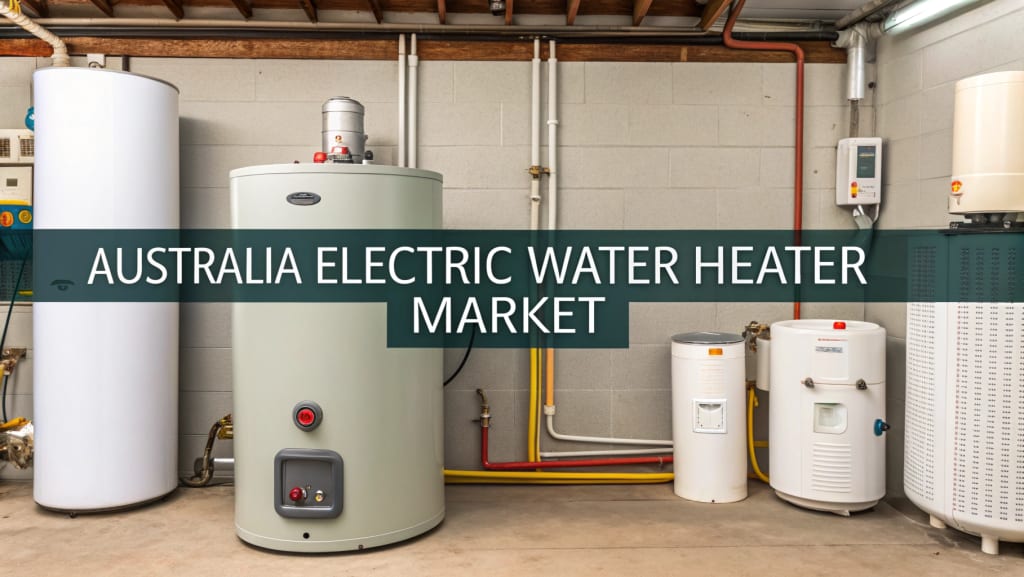
Australia Electric Water Heater Market Overview
The Australia electric water heater market is witnessing steady growth as households, commercial facilities and institutional buildings increasingly adopt efficient and reliable water heating solutions. Electric water heaters — including storage tank models, instantaneous (tankless) systems and heat pump variants — are essential appliances in residential and commercial spaces for bathing, washing, sanitation and space-heating support. The Australia electric water heater market size reached USD 644.84 Million in 2024. Looking forward, IMARC Group expects the market to reach USD 1,366.59 Million by 2033, exhibiting a growth rate (CAGR) of 7.80% during 2025-2033. This growth reflects rising consumer preference for energy-efficient appliances, increasing urbanisation, renovation investment cycles and evolving energy-policy incentives that promote electrification and reduced carbon emissions.
Electric water heaters are increasingly favoured for their convenience, consistent performance and integration with modern plumbing and smart home systems. As Australia’s residential construction and refurbishment markets expand, demand for advanced and environmentally compliant water heating technologies continues to grow. Additionally, electrification trends aligned with decarbonisation goals and reduced reliance on gas infrastructure are supporting uptake of electric water heating solutions.
What’s Driving Market Growth
Rising Residential Construction & Renovation
The ongoing expansion of urban housing projects, apartment complexes and residential renovations fuels demand for efficient water heating systems. Homeowners and developers increasingly opt for modern electric water heaters due to simplified installation, compatibility with renewable energy systems and lower upfront infrastructure needs compared to gas counterparts.
Energy Efficiency & Sustainable Home Appliances
Energy-efficient appliances are becoming a priority for Australian consumers, driven by the desire to reduce electricity bills and minimise environmental impact. Electric water heaters with higher energy-efficiency ratings, heat pump technology, digital thermostatic controls and eco-mode features help households achieve improved performance and lower operating costs over the system lifetime.
Policy Support & Electrification Trends
Government policies aimed at reducing greenhouse gas emissions and encouraging electrification of residential systems are contributing to the shift toward electric water heaters. Electrification initiatives — particularly those supporting low-carbon technologies and renewable integration — encourage consumers and builders to adopt electric solutions as part of broader sustainability commitments.
Integration with Renewable Energy Systems
As solar PV and other distributed energy systems become more commonplace in Australian homes, electric water heaters are increasingly paired with rooftop solar generation to optimise energy usage. Solar-compatible electric heaters enable households to capitalise on clean energy generation, which further reduces reliance on grid electricity during peak demand and supports overall energy cost savings.
What the Opportunities Are
Smart & Connected Water Heating Solutions
Electric water heaters integrated with IoT capabilities, smart thermostats, remote monitoring and energy usage analytics present strong opportunities for differentiation. Smart features can optimise performance, support predictive maintenance and improve user convenience in connected homes.
Heat Pump Technology Adoption
Heat pump electric water heaters offer higher efficiency and lower operating costs compared to conventional electric models. As consumers seek to reduce energy bills and embrace sustainable solutions, promoting heat pump adoption — particularly in conjunction with renewable energy systems — can drive long-term market growth.
Energy Storage Integration
Electric water heaters equipped with thermal energy storage can act as flexible load assets in homes with solar PV or battery systems. Leveraging off-peak or excess renewable generation to heat water improves energy self-sufficiency and aligns with grid stabilisation strategies.
Commercial & Institutional Service Contracts
Commercial facilities, hotels, healthcare institutions and public buildings can benefit from service and maintenance contracts that ensure consistent performance, safety compliance, and system optimisation — creating recurring revenue opportunities for providers.
Eco-Friendly & Sustainable Manufacturing
Manufacturers that adopt eco-friendly materials, environmentally compliant refrigerants for heat pumps and recyclable components can appeal to sustainability-minded customers. Green certifications and performance labelling add value and support environmentally aware purchasing decisions.
Recent News and Developments in Australia Electric Water Heater Market
Jul 2025: Leading home appliance brands in Australia launched advanced energy-efficient heat pump water heater models tailored for residential use. These new systems featured digital control interfaces, enhanced thermal performance and improved compatibility with solar PV systems — responding to rising consumer demand for sustainable and cost-efficient water heating solutions.
Sep 2025: E-commerce platforms and allied retail partners reported a noticeable increase in online sales of electric water heaters, particularly among urban homeowners aged 30–50 years. Analysts highlighted that digital research tools, user reviews and doorstep installation coordination contributed to the surge — reflecting evolving consumer purchasing behaviours favoring convenience and information transparency.
Nov 2025: Government energy agencies released updated guidance on electrification strategies that emphasised the role of efficient electric appliances, including water heaters, in reducing household emissions and supporting national decarbonisation goals. These recommendations encouraged homeowners and builders to consider electrification options during renovation and new construction decision-making processes.
Why should You Know About Australia Electric Water Heater Market?
You should know about this market because electric water heaters represent an essential link between everyday household comfort, energy efficiency and broader sustainability agendas — especially as consumers and policymakers prioritise reduced emissions and cost-effective energy use. The shift toward electrified, smart and efficient water heating solutions reflects larger trends in residential modernisation, renewable energy adoption and lifestyle improvements.
For investors, the electric water heater market offers exposure to evolving consumer spending on home appliances, energy transition technologies and digital retail transformation. Growth in heat pump adoption, smart home integration and renewable complementarity presents layered opportunities for differentiated product portfolios and recurring service offerings.
For manufacturers and service providers, understanding segmentation, distribution trends and technological preferences helps inform product development, pricing strategies, channel investments and customer engagement. In essence, the Australia electric water heater market highlights how comfort, efficiency and innovation come together — making it a relevant and growth-aligned segment in the broader home appliance and energy ecosystems.
About the Creator
Amyra Singh
Market research analyst who loves spotting patterns, digging into data, and turning insights into strategies that help brands grow and stay ahead of the curve.
Keep reading
More stories from Amyra Singh and writers in Trader and other communities.
Australia Nano Coatings Market: Advanced Surface Protection, Industrial Innovation & Sustainable Applications
Australia Nano Coatings Market Overview The Australia nano coatings market is experiencing robust growth as industries increasingly turn to advanced surface technology solutions for durability, performance enhancement and environmental compliance. Nano-coatings — ultrathin layers often engineered at the nanometre scale — are applied to surfaces to improve properties such as corrosion resistance, abrasion protection, hydrophobicity, antimicrobial performance, UV stability and wear resistance. The Australia nano coatings market size reached USD 397.60 Million in 2024. Looking forward, IMARC Group expects the market to reach USD 2,063.40 Million by 2033, exhibiting a growth rate (CAGR) of 17.90% during 2025-2033. This expansion is driven by technological innovation, rising industrial fabrication activities, stringent performance requirements across sectors and increasing integration of sustainable and high-performance materials.
By Amyra Singh4 days ago in Trader
21 Financial Lessons That Build Wealth Without Burning You Out
Most stress around money doesn't come from lack of income. It comes from disorder. From not knowing where things are going. From reacting instead of deciding. From letting habits run the show instead of systems.
By Destiny S. Harrisa day ago in Trader
How to Start a Food Business from Home With Minimal Investment
A home-based food business represents the simplest path for newcomers who want to establish themselves in the small business sector. The business requires limited financial investment. Yes, devoting proper planning and keeping expenses minimal can transform your residence into a money-generating enterprise.
By Cristina Baker3 days ago in Trader
Standing While Falling
Quotation from Friedrich Nietzsche "He who wrestles long with monsters should beware lest he himself become a monster. And if you gaze long into an abyss, the abyss also gazes into you. Man is not destroyed by suffering, but by the meaning he makes of it."
By LUCCIAN LAYTH4 days ago in Critique


Comments
There are no comments for this story
Be the first to respond and start the conversation.