
Australia Biosimilar Market Set for Explosive Growth as Affordable Biologics Gain Traction
Bolstered by policy support, expanding clinical adoption, and rising chronic disease prevalence, the market is projected to grow over 7× by 2033.

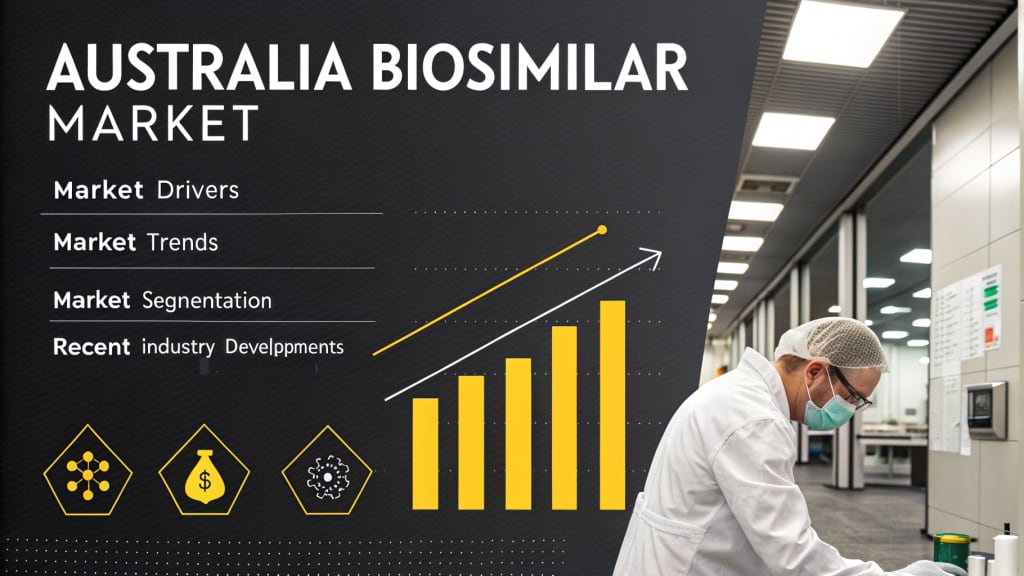
The Australia biosimilar market is on a remarkable growth trajectory, driven by increasing demand for cost effective biologic therapies, supportive government frameworks, and broader healthcare adoption. According to IMARC Group, the market was valued at USD 741.6 million in 2024 and is forecast to reach USD 5,512.5 million by 2033, reflecting a robust compound annual growth rate (CAGR) of 22.20% between 2025 and 2033.
Biosimilars — biologic medicines that are highly similar to approved reference biologics but generally offered at lower cost — are becoming increasingly essential to Australia’s healthcare landscape. They help reduce treatment costs across chronic conditions such as autoimmune disorders, oncology, and diabetes while maintaining comparable efficacy and safety to originator biologics. As government policies, clinical confidence, and healthcare economics evolve, the market is rapidly transitioning from a niche segment to a mainstream treatment option.
Why the Market Is Growing So Rapidly
One of the most significant drivers of the biosimilar market in Australia is the expiry of patents on several high cost biologic drugs. As originator biologics lose exclusivity, biosimilar manufacturers can enter with lower priced alternatives, increasing competition and expanding treatment accessibility. This dynamic is particularly impactful in therapeutic areas where long term biologic therapies were previously cost prohibitive for many patients.
The rising burden of chronic diseases — including cancer, autoimmune conditions, and diabetes — is further propelling demand. These conditions often require long term or lifelong biologic treatment, placing sustained pressure on healthcare budgets. Biosimilars provide a more affordable therapeutic option, enabling healthcare systems and patients to manage long term care costs more effectively without compromising clinical outcomes.
Government support and regulatory frameworks like the Pharmaceutical Benefits Scheme (PBS) have been central to market expansion. By listing biosimilars under PBS and subsidizing their cost, the government enhances accessibility, incentivizes prescribing, and encourages broader use across both public and private healthcare settings. Educational programs for prescribers and pharmacists aimed at clarifying biosimilar efficacy and interchangeability have also helped build clinical confidence and acceptance.
The increase in clinical research and trial activity within Australia has strengthened the evidence base supporting biosimilar safety and effectiveness. Local participation in global trials and the country’s experienced trial infrastructure have attracted investment from international developers, enhancing market credibility and facilitating earlier product availability domestically.
Finally, growing acceptance among healthcare providers and patients is accelerating uptake. As clinicians become more comfortable prescribing biosimilars and patients better understand their benefits, adoption rates are increasing across key therapeutic areas such as oncology and immunology.
What the Opportunities Are
1. Expansion in Oncology Therapies: With cancer treatment costs among the highest in healthcare, biosimilars targeting oncology biologics present substantial opportunities to reduce expense and broaden patient access.
2. Autoimmune and Chronic Disease Segments: Therapies for conditions like rheumatoid arthritis and inflammatory bowel disease stand to benefit from cost effective biosimilar adoption, given their growing patient populations and long term treatment needs.
3. PBS Driven Access Expansion: Continued listing of biosimilars on the Pharmaceutical Benefits Scheme can further reduce patient cost burdens and encourage broader prescribing practices nationwide.
4. Hospital Tender Adoption: Winning hospital tenders for biosimilar supply offers manufacturers steady demand streams, especially within public health systems seeking cost savings and treatment scalability.
5. Local Manufacturing Initiatives: Establishing domestic biosimilar production facilities can enhance supply reliability, reduce import dependency and appeal to national self sufficiency goals in healthcare manufacturing.
6. Educational Initiatives for Physicians and Patients: Programs that improve awareness and understanding of biosimilar equivalence can accelerate clinical adoption and reduce hesitancy among prescribers and patients.
7. Strategic Partnerships and Licensing: Collaboration between global biosimilar developers and local distributors can speed product launches and widen market penetration, leveraging existing networks and regulatory experience.
• March 2025: Australia’s Therapeutic Goods Administration (TGA) granted approval for Tyruko, the first biosimilar formulation of natalizumab, marking a major regulatory milestone. This approval expands treatment options for relapsing remitting multiple sclerosis and demonstrates the growing regulatory openness to diverse biosimilar products in complex therapeutic categories.
• April 2025: Multiple denosumab biosimilars — including Stoboclo and Osenvelt developed by Celltrion — received TGA approvals, further strengthening competitive options for osteoporosis and related bone disorder therapies. The influx of these products underscores increasing manufacturer interest and signals broader market acceptance.
• June 2025: Data from industry sources indicated a marked increase in biosimilar listings on the PBS over the first half of 2025, driven by both government policy and supplier efforts to align pricing with subsidy thresholds. This enhanced PBS coverage is expected to improve patient affordability and boost prescribing in hospital and outpatient settings across Australia.
Why Should You Know About Australia Biosimilar Market?
The Australia biosimilar market represents one of the most dynamic growth opportunities in the nation’s healthcare sector. With forecasts showing expansion from USD 741.6 million in 2024 to USD 5,512.5 million by 2033 at an impressive 22.20% CAGR, the segment combines strong economic potential with meaningful public health impact.
For investors, the rapid growth trajectory and expanding therapeutic applications offer fertile ground for strategic positioning — particularly in oncology, autoimmune disorders, and chronic disease management. Pharmaceutical and biotech companies can leverage regulatory incentives, clinical acceptance, and tender opportunities to differentiate portfolios and compete effectively against originator biologics.
For healthcare providers and policymakers, biosimilars offer a critical tool for managing long term treatment costs while broadening access to life saving biologic therapies. Policies that enhance education, support PBS integration, and facilitate efficient procurement can help realise the full potential of biosimilars in improving patient outcomes.
Overall, as healthcare systems confront rising chronic disease burdens and cost pressures, Australia’s biosimilar market is poised to be a cornerstone of sustainable, affordable biological treatment access in the decade ahead.
About the Creator
Rashi Sharma
I am a market researcher.
Keep reading
More stories from Rashi Sharma and writers in Trader and other communities.
Australia Eyewear Market Gears Up for Strong Growth as Health, Style and Tech Drive Demand
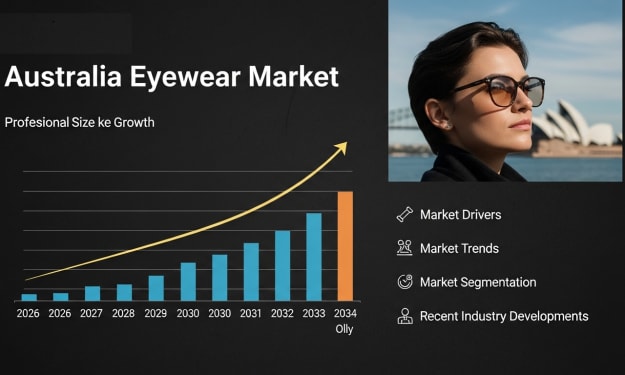
The Australia eyewear market is on a sustained growth trajectory, supported by evolving consumer needs, health awareness and technological innovations. According to IMARC Group, the market reached USD 3,590.6 million in 2025 and is projected to grow to USD 5,845.0 million by 2034, exhibiting a compound annual growth rate (CAGR) of 5.56% between 2026 and 2034.
By Rashi Sharmaa day ago in Trader
Silver Sprints Ahead… Then Hits a Wall: Why Metals Really Lost Momentum
The first weeks of 2026 delivered a dramatic spectacle for commodity markets. Silver surged at a pace few expected, outshining gold and drawing intense investor attention. Then, almost as suddenly, momentum stalled. Prices tumbled, speculative positions were liquidated, and traders scrambled to understand what went wrong.
By Sajida Sikandar5 days ago in Trader
Australia Transformer Market 2026: Grid Expansion, Renewable Integration & Power Infrastructure Upgrades
Australia Transformer Market Overview The Australia transformer market plays a central role in supporting the country’s electricity transmission and distribution network, enabling efficient power flow from generation sources to end users. Transformers are essential electrical equipment used to step up or step down voltage levels, ensuring safe and reliable power delivery across residential, commercial and industrial applications. As Australia continues to invest in renewable energy, grid modernization and urban infrastructure, demand for transformers is steadily increasing.
By Amyra Singh3 days ago in Trader
The Devil's Triangle
The sails ruffled in the breeze as we cruised along. The Sea Breeze was a mid-size catamaran that sailed out of Royal Naval Dockyard in Bermuda. We had booked this trip weeks in advance and were now looking at our Captain, Spike and two boat hands. Paddy and Wilson seemed like nice guys, joking around with the passengers and telling us some stories about Bermuda that only locals would know. Their island accents sounded almost British but they were pleasant to listen to.
By Barbara Gode Wiles4 days ago in Fiction


Comments
There are no comments for this story
Be the first to respond and start the conversation.