
Ali Saadat Meli Shares His Approach to Risk and Reward in Investing
Ali Meli Guides

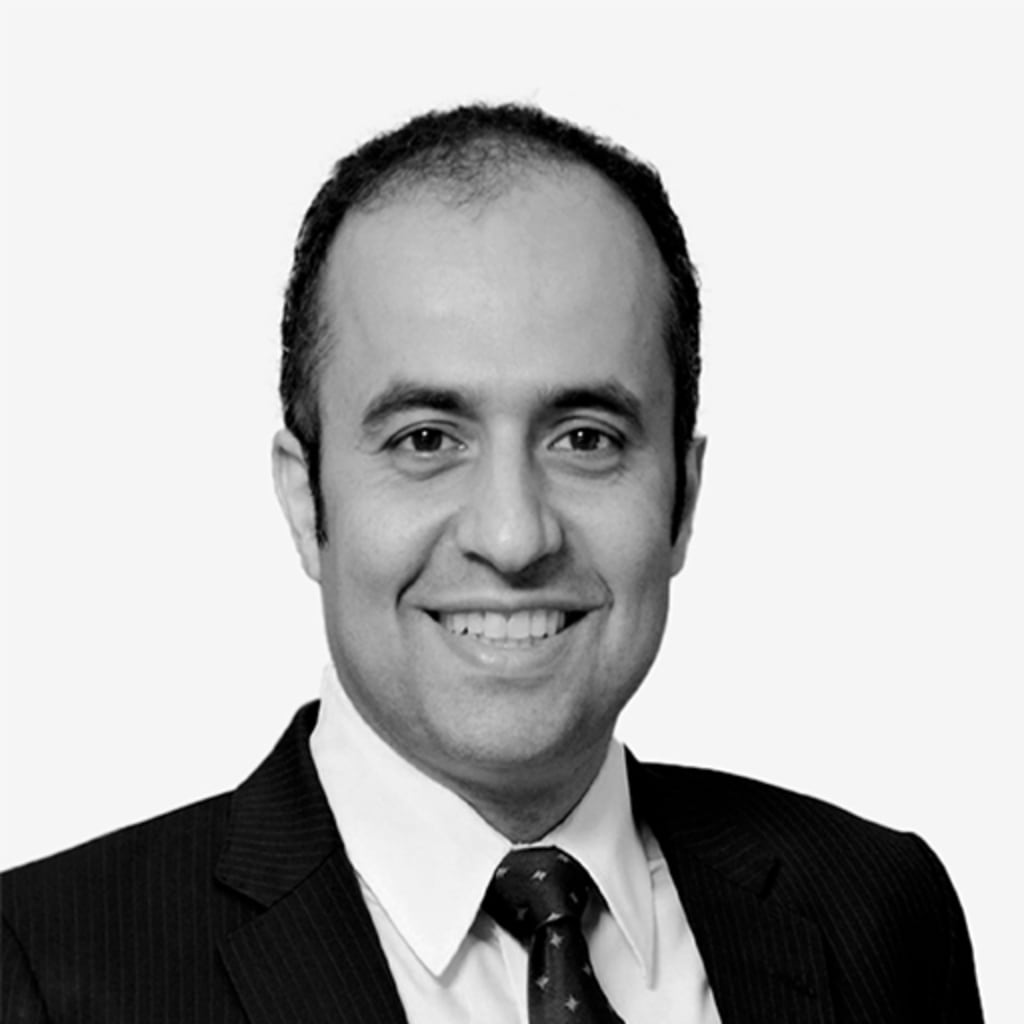
When I first started investing, the idea of balancing risk and reward felt abstract. I wanted the biggest returns with the least risk, which is what almost every beginner hopes for.
But over time, I learned that risk and reward are two sides of the same coin. You can’t have one without the other. To better understand how to approach this balance, I’ve looked to the perspectives of experts like Ali Saadat Meli, a seasoned investment professional with years of experience in global finance. His approach to risk and reward is practical, disciplined, and built on real-world results. Let’s understand.
Why Risk and Reward Go Hand in Hand
As investors, we all dream of high returns. But as Ali Meli often emphasizes, higher rewards usually mean higher risks. His career in structured finance, including his time as Global Co-Head of Structured Finance Investing and Lending at Goldman Sachs, gave him firsthand experience in managing billions in assets. Through that work, he saw how risky positions could deliver large payoffs but could also create devastating losses if not managed carefully.
For me, this was an important reminder that chasing big returns without understanding the risks involved is one of the most dangerous mistakes a new investor can make.
The Value of Understanding Your Risk Tolerance
One of the most useful points I’ve taken from Meli’s perspective is the importance of personal risk tolerance. Every investor is different. Some can handle large swings in portfolio value without blinking; others panic when they see even a small loss. Meli encourages investors to assess not just their financial capacity for risk but also their emotional comfort with uncertainty.
I’ve found this advice invaluable. It’s not enough to calculate numbers on paper; you also have to consider how you’ll feel during market downturns. If your risk exposure makes you anxious enough to sell at the worst possible moment, then it’s not the right fit for you.
Diversification as a Risk Management Tool
Ali Saadat Meli also places a strong emphasis on diversification as a way to balance risk and reward. During his time at Goldman Sachs and later as the founder of Monachil Capital Partners, he worked on strategies that spread investments across sectors, geographies, and asset classes. The goal was to protect the portfolio from being wiped out by a single event while still capturing opportunities for growth.
I’ve tried to apply this lesson in my own investments. Instead of putting everything into one stock or one industry, I’ve learned to diversify. Some assets perform well while others lag, but overall, the portfolio remains balanced. This approach doesn’t eliminate risk, but it reduces the likelihood of catastrophic losses.
Taking a Long-Term Perspective
Another part of Meli’s approach that resonates with me is his focus on long-term strategy. Short-term market trends can be noisy and unpredictable. Jumping in and out of investments based on daily headlines can create unnecessary risks. Meli argues that patience and discipline often deliver better results than trying to time every market move.
I’ve noticed the same in my own portfolio. The investments I’ve held for years, aligned with long-term goals, have typically performed better than the ones I tried to “trade” quickly for a fast profit. His perspective reinforces the idea that long-term discipline is one of the best ways to balance risk and reward.
Avoiding Common Traps
From Meli’s guidance, one of the biggest traps investors fall into is overconfidence, believing they can beat the market without proper research. Another is failing to account for downside scenarios. He stresses the importance of running through “what if” situations. What if the market falls 20%? What if interest rates rise? By preparing for these possibilities, investors can structure portfolios that survive difficult conditions.
This kind of forward thinking has helped me adjust my own approach. Instead of focusing only on potential gains, I now ask myself: how much could I lose, and can I live with that outcome?
To Conclude
Risk and reward will always be linked in investing. The challenge is not to eliminate risk, but to manage it intelligently so that rewards can be pursued sustainably. Ali Saadat Meli’s career has been built on structuring investments that find this balance. His insights on risk tolerance, diversification, and long-term strategy have shaped the way I think about my own financial decisions.
For any investor, new or experienced, his perspective serves as a reminder: smart investing is not about avoiding risk, but about understanding it and using it wisely to achieve your goals.
About the Creator
Jordan Belford
Providing helpful content..
Keep reading
More stories from Jordan Belford and writers in Trader and other communities.
Top 7 Large Framed Wall Pictures for Living Rooms That Make a Statement
The living room is the heart of every home, the place where families gather, guests are welcomed, and countless memories are made. Because of its central role, the décor you choose here sets the tone for the entire house. One of the most impactful ways to transform your living space is with large framed wall pictures for living rooms. Unlike smaller accents, these bold pieces command attention, fill empty walls with personality, and instantly elevate the overall aesthetic.
By Jordan Belford5 months ago in Art
The Three Dave Ramsey Baby Steps You Should Reconsider
Dave Ramsey has helped a lot of people stop doing dumb things with money. That alone deserves respect. If you're buried in credit card debt, stressed, disorganized, and living on financial fumes, the Baby Steps can pull you out of chaos.
By Destiny S. Harrisabout 20 hours ago in Trader



Comments