
Affordable Baby Diaper Options You Need to Know
I. Understanding Baby Diaper Types A. Cloth Diapers Cloth diapering is a sustainable and often more cost-effective choice for many parents. These diapers are typically made from natural fibers such as cotton or bamboo, them soft against your baby's skin. Types Cloth Diapers: • Pre-folds: These are rectangular pieces of cloth that can be folded and secured around your baby with pins or a snappi. They’re budget-friendly and very versatile. • Pockets: A waterproof outer layer with a pocket to insert absorbent material. They come in various styles and are easy to use. • Fitteds: Shaped like disposable diapers but made of cloth. They offer better containment and are usually snappied on. Cost Breakdown and Long-Term Savings While the initial investment in cloth diapers can seem high—ranging from $200 to $500 for a full set—the long-term savings can be substantial. Many families find that they can save thousands of dollars over the period their child is in diapers if they use cloth. B. Disposable Diapers Disposable diapers are highly convenient and designed for single-use, making them a popular choice for busy parents. Characteristics of Disposable Diapers These diapers are made from a blend of synthetic materials designed to absorb moisture and keep the surface dry. They’re easy to use and throw away without the extra laundry. Types of Disposable Diapers: • Economy: These are basic yet effective, designed for parents who prioritize price over brand reputation. • Premium: These diapers often offer additional features like extra absorbency, softer materials, and better fit. • Eco-Friendly: Made from sustainable materials with a focus on lower environmental impact. Average Costs per Brand and Size Prices range significantly based on brand and size. Economy brands can cost around $0.15 per diaper, while premium options may rise to $0.30 or more, depending on the size and features. C. Hybrid Diapers Hybrid diaper systems combine the best of both worlds. They offer a reusable outer cover with the option of using either disposable or cloth inserts. Benefits of Using Hybrids Hybrid diapers are flexible and can adapt to different situations, such as outings or overnight use, making them a great choice for parents who want convenience without completely giving up on cloth diapering. Price Comparisons and Value Analysis Although hybrids may come at a premium upfront, many parents find that they provide a good balance between convenience and environmental responsibility, making them worth the investment in the long run.
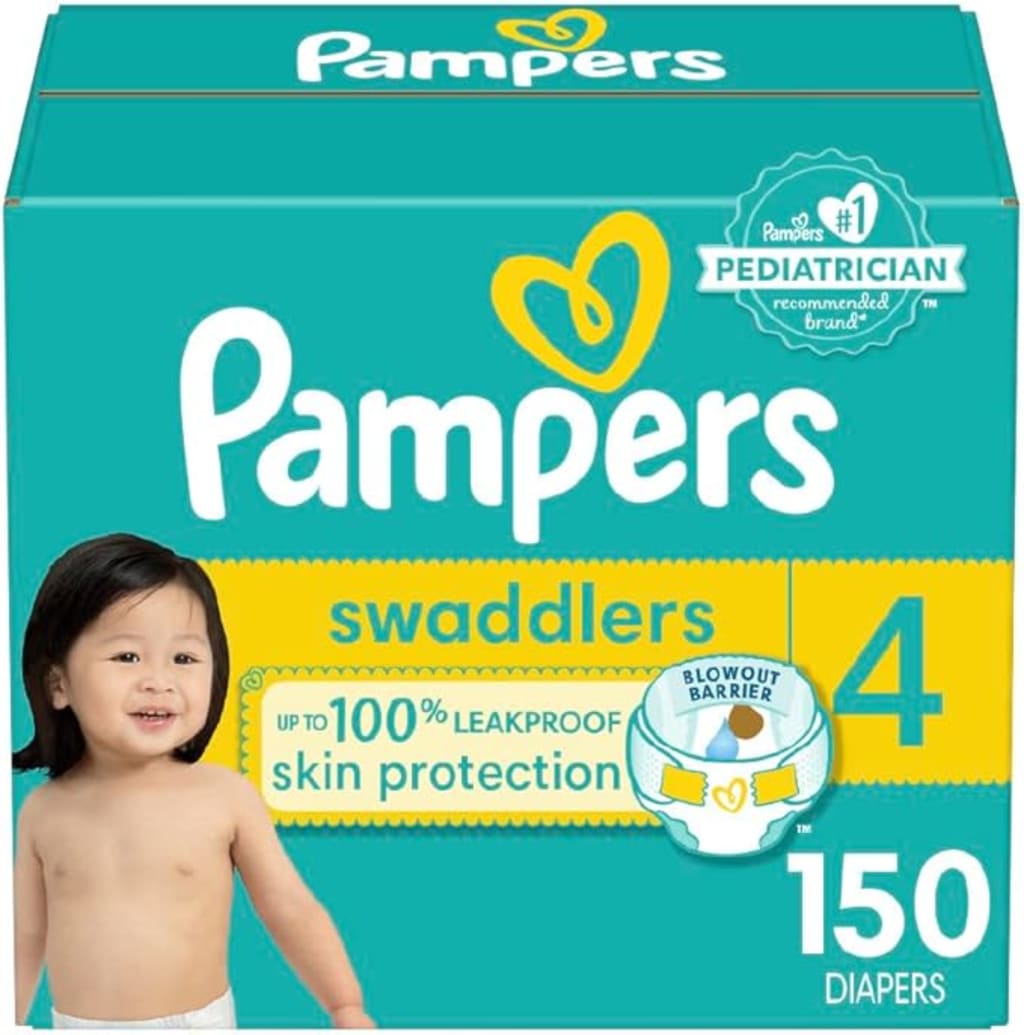
Pampers Swaddlers Diapers - Size 4, One Month Supply (150 Count), Ultra Soft Disposable Baby Diapers
II. Popular Affordable Diaper Brands
A. Generic Store Brands
Store-brand diapers often offer quality that rivals their national counterparts at a fraction of the price.
Overview of Store-Brand Options
Many supermarkets and drugstores sell their own brand of diapers that are usually cheaper and still effective.
Comparing Price and Quality
Parents frequently report satisfaction with store-brand diapers, suggesting they perform adequately without the hefty price tag of national brands.
Customer Reviews and Reliability
Check local reviews online or ask friends for their experiences; you might be surprised by the positive feedback on many generic brands.
B. Budget-Friendly National Brands
National brands also have options that cater to budget-conscious parents looking for reliable quality.
Description of Well-Known Budget Brands
Brands like LUVS and Huggies Snug & Dry are popular for offering reliable performance without breaking the bank.
Comparing Features and Costs
These brands often provide features similar to more expensive counterparts, like good absorbency and leak protection, making them a smart choice.
Consumer Feedback and Performance
Overall, consumers appreciate the balance of cost and effectiveness, sharing stories of satisfaction and reliability.
C. Eco-Friendly Budget Options
More eco-conscious parents can also find affordable green diapering options.
Availability of Affordable Eco-Friendly Options
Brands like Eco Pea and Earth's Best offer disposable options made from sustainable materials that don't compromise on performance.
Materials and Production Methods
These diapers focus on using renewable resources and are often free from harmful chemicals, helping you feel good about your choice.
Reviews and Environmental Impact
Reviews often highlight not only their effectiveness but also the peace of mind that comes with lessening environmental impact.
III. Tips for Buying Diapers on a Budget
A. Bulk Buying and Subscription Services
Buying in bulk can significantly reduce costs.
Advantages of Buying in Bulk
Purchasing bulk packs can help parents save money and ensure they always have a stock on hand.
Exploring Subscription Services
Many brands now offer subscription services that allow you to have diapers delivered regularly at a discount, providing both savings and convenience.
Comparing Costs and Convenience
When considering subscriptions, always compare prices with local stores to ensure you're getting the best deal.
B. Coupons and Discounts
There’s no shame in seeking out extra savings!
How to Find and Use Diaper Coupons
Many parenting magazines, websites, and brand websites offer printable coupons.
Seasonal Sales and Promotions
Be on the lookout for seasonal sales—diapers often go on sale during major shopping events like Black Friday and back-to-school sales.
Shopper Loyalty Programs and Perks
Many brands have loyalty programs where you can earn points or rewards for future purchases.
C. Diaper Swaps and Secondhand Options
There's a community of parents eager to trade or sell!
The Concept of Diaper Swaps
Diaper swaps allow parents to exchange unused diapers or cloth diapering supplies, which can lead to significant savings.
Exploring Secondhand Cloth Diaper Options
Many parents find great deals on pre-loved cloth diapers online or at local parenting groups.
Guidelines for Finding Quality Used Diapers
Make sure to check for stains, smells, and overall condition before purchasing secondhand items.
IV. Managing Diaper Costs Effectively
A. Keeping Track of Diaper Usage
Control your spending by understanding your usage patterns.
Tips for Effective Diaper Tracking
Keeping a log of daily diaper changes will help you understand your consumption rates better.
Knowing When to Switch Sizes
Switching to a larger size earlier can sometimes avoid leaks and messes, which might save you money.
Analyzing Consumption Patterns
Knowing how many diapers you use daily can help you budget and purchase accordingly.
B. Budgeting for Diaper Expenses
Setting a budget should be one of your first steps as a parent.
Setting a Monthly Budget for Diapers
By estimating your monthly usage, you can plan a little better and avoid surprises at checkout.
Adjusting Diaper Budgets as Baby Grows
As your baby develops, their needs may change, so be sure to adjust your budget accordingly.
Allocating Funds for Other Essentials
Don’t forget to factor in other baby essentials like wipes, lotions, and laundry costs when budgeting.
C. DIY Solutions for Diapering
Feeling crafty? You can save more with DIY.
Making Your Own Cloth Diapers
If you’re feeling ambitious, many parents have found success making their own cloth diapers with just a little sewing knowledge.
Using Alternatives Like Diaper Liners
Using fleece or cotton liners can help with absorbency and reduce the need to wash the entire diaper.
Homemade Wipes and Accessories.
About the Creator
Keep reading
More stories from writers in Trader and other communities.
Australia CCTV Market: Surveillance Sector Accelerates Toward a $6B Future
The Australia CCTV market is entering a period of rapid transformation and expansion. According to the latest IMARC Group research, the market reached USD 1.16 billion in 2024 and is projected to grow to approximately USD 6.02 billion by 2033, representing a robust CAGR of 17.90% during the 2025–2033 period.
By Rashi Sharma5 days ago in Trader
Ceramics Market: Trends, Innovations, and Industry Growth
Overview The ceramics market is a dynamic and expansive sector that spans a wide range of applications, from traditional pottery and tiles to cutting-edge industrial ceramics used in electronics, aerospace, and medical devices. Ceramics are prized for their durability, heat resistance, and insulating properties, making them essential in various high-tech and manufacturing applications. The market is being influenced by technological advancements, growing demand for eco-friendly products, and innovations in smart ceramics. This industry is experiencing significant growth, particularly in emerging markets, driven by infrastructure development and rising consumer interest in ceramic products for both functional and aesthetic purposes.
By James Smith7 days ago in Trader


Comments
There are no comments for this story
Be the first to respond and start the conversation.