
A Quiet Network That Keeps the Country Moving
An inside look at the quiet precision, cultural values, and unseen coordination behind Japan’s global flow of goods

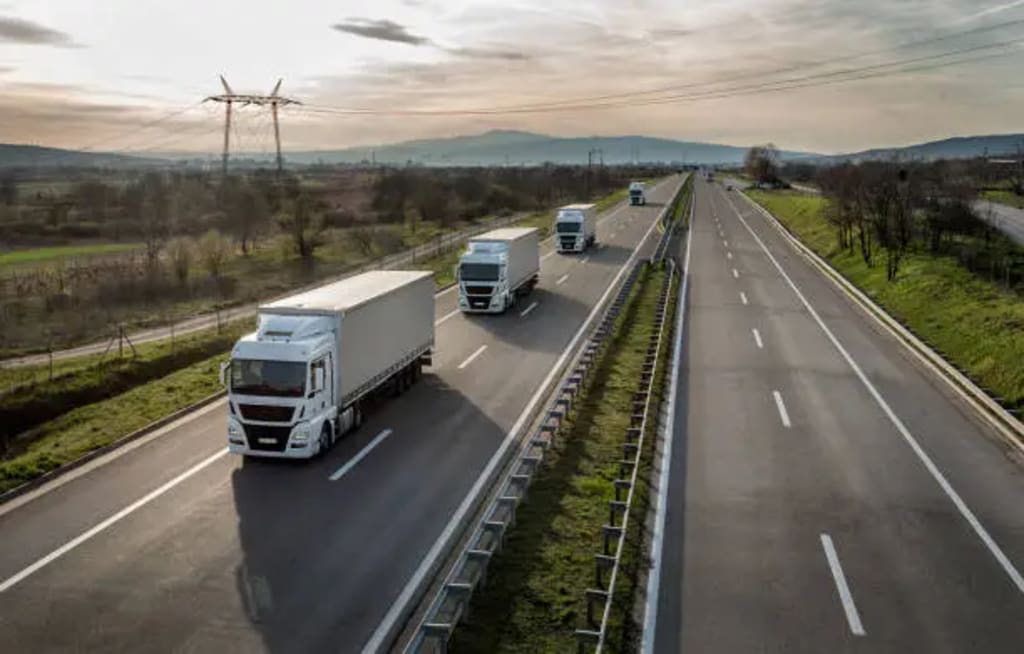
Japan is often described through its visible wonders: bullet trains slicing through cities, vending machines glowing on silent streets, ports crowded with cranes standing like steel giants against the sea. Yet beneath these familiar images exists a quieter system—one that most people never notice, but depend on every day. Freight forwarding in Japan is not flashy or dramatic, but it is deeply woven into the rhythm of the country.
I first became curious about freight forwarding while standing at a small port town in Kanagawa Prefecture. Fishing boats bobbed near the shore, but farther out, massive container ships waited patiently. There was no chaos, no shouting, no rush that I could see. Everything moved with calm precision, as if the sea itself understood the schedule. That moment made me realize that logistics in Japan is not just a business—it is a philosophy.
Freight forwarding in Japan reflects the nation’s cultural values: discipline, respect for time, and attention to detail. From the moment cargo arrives at a port or airport, it enters a carefully choreographed process. Documentation is thorough, inspections are exact, and communication flows quietly but efficiently between customs officers, transport operators, and logistics planners. Delays are rare, not because problems don’t exist, but because they are anticipated long before they can grow.
Unlike in some countries where freight forwarding is dominated by speed at any cost, Japan places equal importance on reliability and responsibility. Cargo handlers treat goods with respect regardless of size or value. Whether it’s electronics bound for overseas markets or raw materials moving between Japanese cities, everything is handled with a sense of accountability. There is an unspoken understanding that someone, somewhere, is depending on this shipment arriving exactly as planned.
One of the most fascinating aspects of freight forwarding in Japan is how seamlessly it connects different modes of transport. Sea freight, air cargo, rail, and road transport are integrated with remarkable efficiency. Ports link smoothly with rail networks, airports connect effortlessly to distribution centers, and trucks arrive exactly when they are expected—no sooner, no later. This coordination is not accidental; it is the result of decades of refinement and trust built between industries.
Technology plays a role, but it does not overshadow human judgment. Digital tracking systems, automated warehouses, and data-driven planning tools are widely used, yet human oversight remains central. Freight forwarders in Japan are often long-term professionals who view their work as a craft rather than a job. They understand routes, seasons, weather patterns, and regulations not just from manuals, but from experience.
What truly sets Japan apart, however, is its relationship with risk. The country faces earthquakes, typhoons, and unpredictable natural events, yet freight rarely stops. Contingency planning is embedded into logistics operations. Alternative routes are prepared, emergency protocols are practiced, and communication channels are kept open at all times. When disruptions happen, the response is swift and measured, not reactive.
There is also a quiet sustainability awareness growing within Japanese freight forwarding. While the industry is traditionally conservative, there is increasing thought given to fuel efficiency, reduced waste, and optimized routing. These efforts are rarely advertised. Instead, they are treated as responsibilities—small, continuous improvements rather than grand declarations.
Freight forwarding in Japan may not make headlines, but its influence is everywhere. It supports manufacturers, retailers, farmers, and consumers alike. It ensures that supermarket shelves remain stocked, factories stay operational, and international trade flows steadily. Most people will never meet a freight forwarder or visit a logistics hub, yet their lives are shaped by these invisible movements every day.
Standing at that port, watching containers move silently from ship to shore, I realized that freight forwarding in Japan is less about moving goods and more about maintaining balance. It is a system built on trust—trust in processes, in people, and in the idea that doing things carefully matters. In a world obsessed with speed and scale, Japan’s approach reminds us that precision, patience, and respect can move mountains—or at least, keep them supplied.
About the Creator
Harley Morris
Storyteller & digital creator sharing tips on kitchen design, SEO, and small business growth. Writing with purpose, powered by Imperial Worktops. Follow for real ideas that work. listen my podcast on podbean.
Keep reading
More stories from Harley Morris and writers in Trader and other communities.
The Things We Don’t See: A Story About Freight Forwarding in Japan| UFI Shipping
Most people don’t think about how things arrive. We notice when something is late — a package, a shipment, a delivery that didn’t come when expected — but we rarely pause to consider the invisible network that moves goods across continents every single day. I didn’t think about it either, not until a conversation I had with a stranger on a flight changed the way I looked at everyday objects.
By Harley Morris9 days ago in Trader
India Taxi Market Size and Forecast 2025–2033: How Digital Mobility Is Reshaping Urban Transport
India Taxi Market Overview The India Taxi Market has emerged as one of the most dynamic segments of the country’s transportation ecosystem. According to Renub Research, the market was valued at USD 20.55 billion in 2024 and is projected to reach USD 53 billion by 2033, growing at a CAGR of 11.1% during the forecast period (2025–2033). This impressive expansion is being fueled by rapid urbanization, rising smartphone penetration, increasing demand for app-based mobility, and the growing influence of ride-hailing platforms such as Ola and Uber across tier-1, tier-2, and tier-3 cities.
By shibansh kumar6 days ago in Trader



Comments
There are no comments for this story
Be the first to respond and start the conversation.