
4 Lessons From The Psychology of Money
#3 Abandon the live-in-the-moment mentality


Denis Gorbunov recently posted a fantastic article on the invaluable book The Psychology of Money. I've read the book and appreciate his interpretation of it.
The three quotes he points out in the book:
"You need to plan on your plan, not going according to plan."
"Don't raise your paycheck; raise your humility."
"Wealth is an option not yet taken to buy something later."
Here are the three things I learned from Denis' interpretation.
Focus on the long-term.
Maximize your earnings.
Invest in your future self.
1. Focus On The Long-Term
Investing is all about emotional regulation because you will lose money; it's a guarantee at some point. The question is, will you fold or stay in the game?
Many people step out of the investing game far too quickly due to economic downturns and shifts.
They buy, and then they sell.
They don't hold long enough and miss out on all the unrealized gains they could eventually realize. Instead, they realize their unrealized losses, which significantly lowers their net worth over time.
I never sell. Some call it stubborn or that I'm missing out on getting what I put in the market; they're probably right, but my strategy is working.
You're going to lose money in the investing game; it's unavoidable. Prepare for the losses by becoming immune to economic shifts and downturns. Instead of focusing on short-term gains, focus on long-term wins.
Stay in the game so long that your unrealized losses never affect you.
2. Maximize Your Earnings
Raw Numbers
69% of millionaires earn less than six figures.
80% of millionaires invest in their company's 401(k) plan.
75% of millionaires build wealth through long-term investing.
Other Notable Mentions
- Many millionaires don't come from money.
- Many millionaires didn't attend elite colleges.
- Many millionaires earn their money through long-term investing.
You don't need big bucks to build bucks. Instead, you need two things: consistency and discipline. You will build wealth if you consistently (and prudently) invest and live significantly below your means.
So many people with five-figure incomes build tremendous wealth for themselves and their families.
3. Invest In Your Future Self
Investing is all about delayed gratification. You're saving for your future life. It doesn't mean you should not live and enjoy life today, but it does mean that you don't spend it all today, either.
Many people wake up in their 50s and 60s and look at their bank accounts with dismay. Why? Because they failed to save for their future self.
It's very easy to live in the moment and only think about RIGHT NOW. But you must abandon this mentality and live for now and the future. Save something for later. Moreover, save enough that the amount makes enough money for you to live off, so you don't have to work for the remainder of your days.
4. Behavioral Consistency
Another layer to all of this is behavioral consistency. Knowledge alone doesn’t build wealth — behavior does. Most people already know they should save, invest, and think long-term. The difference between those who succeed and those who don’t is the ability to keep showing up when nothing feels rewarding yet. Long-term investing is boring by design. That boredom is the cost of admission.
Markets reward patience, not brilliance. You don’t need to predict the next big thing or outsmart everyone else. You need to remain solvent, emotionally stable, and disciplined long enough for compounding to do its work. This is why emotional regulation matters more than technical skill. Panic selling and impulsive decisions destroy more wealth than bad investments ever will.
It’s also worth addressing expectations. Many people expect investing to feel good most of the time. It won’t. There will be long stretches where progress is invisible. Statements barely move. Headlines scream disaster.
This is normal.
Wealth is built quietly while attention is elsewhere. The mistake is assuming something is wrong simply because it feels uncomfortable.
Another important shift is reframing what “maximizing earnings” actually means. It doesn’t always mean working more hours or chasing the highest salary at all costs. It means increasing the gap between what you earn and what you spend. Someone earning $70,000 and investing consistently can outperform someone earning $200,000 who inflates their lifestyle. Income matters, but behavior determines outcomes.
Investing in your future self also requires protecting your time and health. Money is only useful if you’re alive, capable, and mentally clear enough to enjoy it. Burnout, chronic stress, and neglecting physical health quietly sabotage long-term plans. A sustainable pace beats aggressive sprints that lead to collapse. The future you’re investing for needs a functional body and mind.
There’s also a misconception that once you’ve “made it,” discipline becomes optional. In reality, discipline evolves — it doesn’t disappear. The habits that build wealth are often the same habits that preserve it. The difference is that they feel lighter once the foundation is in place.
Finally, understand that wealth is deeply personal. Someone else’s strategy, timeline, or risk tolerance doesn’t have to be yours. Comparison introduces unnecessary pressure and leads to misaligned decisions. The goal isn’t to win a public scoreboard. It’s to create stability, freedom, and options for your own life.
Long-term thinking, disciplined investing, and intentional earning are not exciting topics. They don’t sell fantasies or overnight success. But they work. And if you commit early, stay consistent, and avoid emotional landmines, you eventually reach a point where money stops being a source of stress and starts becoming what it should be — a quiet, supportive background system that gives you more control over how you live your life.
-
This article is for informational purposes only. It should not be considered Financial or Legal Advice. Not all information will be accurate. Consult a financial professional before making any significant financial decisions.
Don't rely on one stream of income. Use your skills to create income.
About the Creator
Destiny S. Harris
Writing since 11. Investing and Lifting since 14.
destinyh.com
Keep reading
More stories from Destiny S. Harris and writers in Trader and other communities.
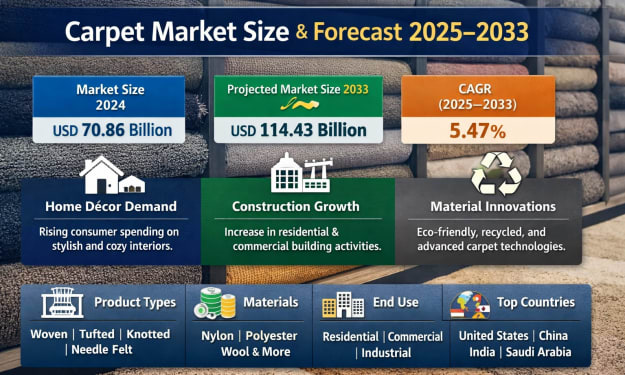
Carpet Market Size and Forecast 2025–2033
The global carpet market is witnessing steady expansion as consumer demand for comfortable, stylish, and energy-efficient flooring solutions increases worldwide. According to Renub Research, the global carpets market was valued at USD 70.86 billion in 2024 and is projected to grow from USD 74.73 billion in 2025 to USD 114.43 billion by 2033, registering a compound annual growth rate (CAGR) of 5.47% during 2025–2033.
By Sakshi Sharmaa day ago in Trader
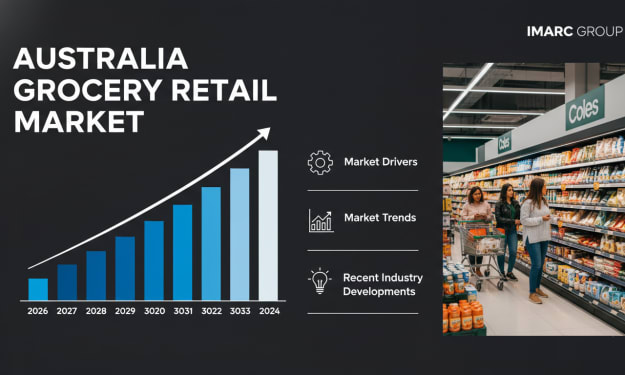
Australia Grocery Retail Market Growth, Forecast, and Strategic Insights by 2034
The grocery retail sector plays a vital role in Australia’s economy, serving millions of consumers who rely on supermarkets, convenience stores, and online platforms for everyday essentials. Over the past decade, the industry has evolved significantly as retailers adapt to changing consumer preferences, technological innovations, and new competitive pressures.
By Amélie Belle4 days ago in Trader


Comments
There are no comments for this story
Be the first to respond and start the conversation.