
Zimbabwe Joins Nigeria, Zambia, Mali, Congo, Chad, Burkina Faso, and Others in Facing Severe Tourism Challenges in the US After the First Month of the 2026 Travel Ban
Everything You Need to Know About the Impact on African Tourism, Travelers, and the Global Travel Industry

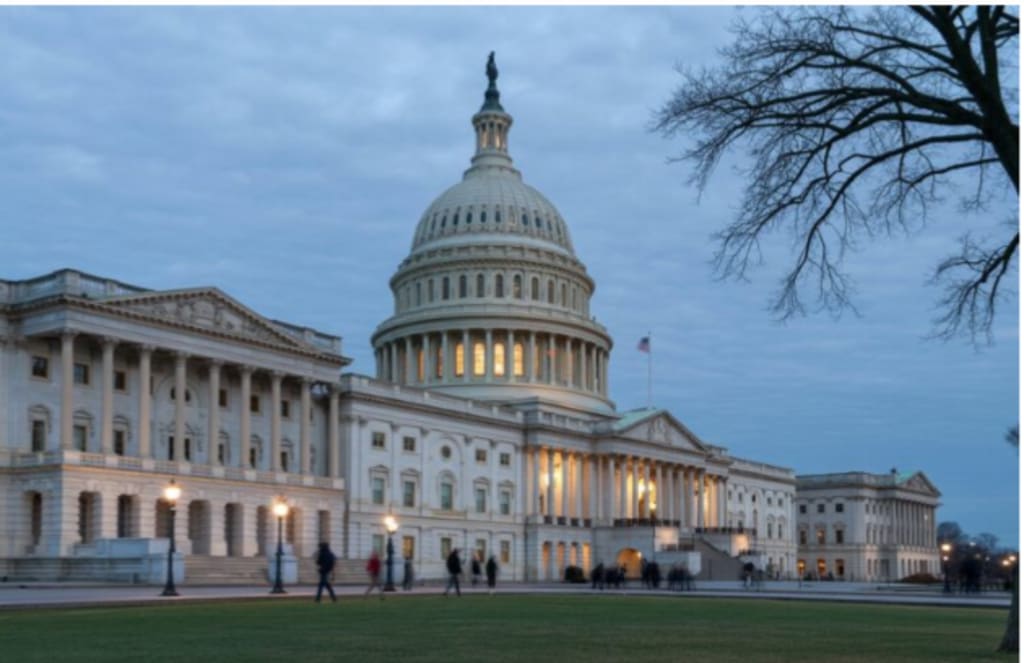
As 2026 unfolds, the global tourism industry is once again facing disruption—this time due to new travel restrictions imposed by the United States. After just one month of the 2026 travel ban, several African nations including Zimbabwe, Nigeria, Zambia, Mali, Congo, Chad, and Burkina Faso are already experiencing sharp declines in tourist movement to and from the U.S.
The policy, introduced as part of tightened border and security regulations, has triggered widespread concern among tourism officials, airlines, and travelers. These countries, many of which rely heavily on international tourism for economic growth, are now confronting serious challenges in maintaining visibility and accessibility in one of the world’s largest travel markets.
Here’s everything you need to know about what is happening, why it matters, and what it could mean for the future of African tourism.
🌍 What Is the 2026 Travel Ban?
The 2026 travel ban introduced new visa restrictions and enhanced screening procedures for travelers from a group of countries considered high-risk under updated U.S. immigration and security guidelines. While the policy does not completely prohibit travel, it has significantly slowed visa approvals and reduced airline routes.
Key features of the ban include:
Stricter visa vetting procedures
Longer processing times for tourist visas
Reduced flight availability
Increased denial rates for non-immigrant travel
Within weeks of implementation, tourism numbers from affected African nations dropped sharply.
📉 Zimbabwe’s Tourism Sector Feels the Pressure
Zimbabwe has now joined a growing list of countries experiencing declining tourist interest from the United States. Tourism officials report cancellations of group tours, business travel delays, and reduced bookings for 2026’s peak travel seasons.
The country’s major attractions—such as Victoria Falls, Hwange National Park, and Great Zimbabwe ruins—depend on long-haul travelers, particularly from North America and Europe. With U.S. travelers now facing uncertainty and more paperwork, many are opting for alternative destinations.
Local tour operators have expressed concern that the decline could ripple across hospitality, transportation, and retail sectors that rely on foreign visitors.
🇳🇬 Nigeria and Zambia: Business and Cultural Tourism at Risk
Nigeria and Zambia are also feeling the impact, especially in business and cultural tourism segments. Nigeria’s role as a regional business hub has traditionally attracted American entrepreneurs and investors, while Zambia’s safari and eco-tourism offerings have gained popularity over the past decade.
With travel restrictions in place:
Conferences and trade visits are being postponed
Educational exchange programs are slowing
Airline seat capacity is shrinking
This affects not only tourism revenue but also long-term diplomatic and commercial relationships.
⚠️ Mali, Congo, Chad, and Burkina Faso: Vulnerable Tourism Economies
For Mali, Congo, Chad, and Burkina Faso, tourism was already fragile due to security concerns and economic instability. The U.S. travel ban has intensified those challenges.
These countries rely heavily on niche tourism—heritage travel, adventure tourism, and humanitarian travel. Reduced access to U.S. travelers may isolate them further from international markets and stall efforts to rebuild tourism reputations.
Tourism ministries in these nations are now shifting focus toward regional and intra-African tourism to compensate for losses from the U.S. market.
✈️ Airline and Travel Industry Fallout
The effects extend beyond borders and into the airline industry. Several carriers have reduced or suspended routes linking the U.S. to affected African destinations due to falling demand.
Travel agencies report:
Increased refund requests
Lower package tour sales
Rising traveler uncertainty
Hotels, tour guides, and small tourism businesses—already vulnerable after years of pandemic recovery—now face renewed financial stress.
🌐 Why the US Market Matters So Much
The United States remains one of the world’s largest outbound tourism markets. American travelers are known for:
Long stays
High spending
Interest in safari, cultural, and heritage tourism
Losing access to this market can have disproportionate economic consequences for developing tourism economies. In Zimbabwe alone, tourism accounts for a significant share of employment and foreign exchange earnings.
🔄 How Affected Countries Are Responding
Governments and tourism boards are now adapting quickly:
Diversifying markets: Targeting Europe, Asia, and Middle Eastern travelers
Promoting regional tourism: Encouraging African travelers to explore neighboring countries
Digital campaigns: Using social media and virtual tours to maintain visibility
Policy dialogue: Engaging U.S. officials to negotiate clearer travel pathways
Some countries are also investing in infrastructure and security upgrades to improve their international standing and tourism confidence.
🧭 What This Means for Travelers
For travelers from affected countries hoping to visit the U.S., the situation has become more complicated:
Visa processing may take months
Approval rates are lower
Travel planning requires more documentation
For American travelers hoping to visit Africa, confusion around travel policies has discouraged bookings, even though the ban primarily affects inbound travel to the U.S.
The uncertainty itself is damaging—tourism thrives on predictability, and restrictions disrupt that balance.
🌱 Long-Term Implications for African Tourism
While the immediate impact is negative, experts believe the crisis could push African tourism industries to become more resilient by:
Strengthening domestic tourism
Expanding partnerships beyond the U.S.
Improving safety and infrastructure
Building regional travel networks
In the long run, diversification may reduce dependence on any single market.
✨ Final Thoughts
Zimbabwe’s inclusion alongside Nigeria, Zambia, Mali, Congo, Chad, and Burkina Faso in facing tourism challenges after the first month of the 2026 U.S. travel ban highlights how deeply policy decisions can affect global mobility and economic stability.
Tourism is more than leisure—it is a lifeline for jobs, cultural exchange, and national development. As restrictions reshape travel patterns, affected countries are racing to adapt while hoping for clearer and more balanced travel policies in the future.
For now, the message is clear: African tourism is entering a new phase of uncertainty, but also one of reinvention. How governments, businesses, and travelers respond in the coming months will shape the region’s tourism recovery for years to come.
About the Creator
Sajida Sikandar
Hi, I’m Sajida Sikandar, a passionate blogger with 3 years of experience in crafting engaging and insightful content. Join me as I share my thoughts, stories, and ideas on a variety of topics that matter to you.
Keep reading
More stories from Sajida Sikandar and writers in The Swamp and other communities.
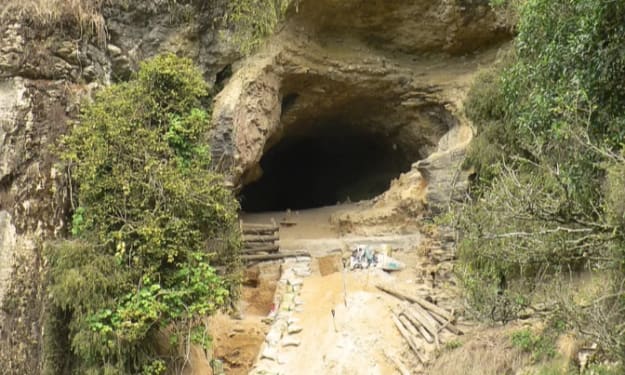
Scientists Went into an Ancient Cave in New Zealand and Found a ‘Lost World’ Hiding Within
Deep beneath the rugged landscapes of New Zealand, a team of scientists recently discovered something extraordinary: an ancient cave containing a thriving “lost world” ecosystem, untouched by humans and time. The discovery has captured the attention of biologists, geologists, and explorers worldwide, offering a rare glimpse into life that has evolved in complete isolation.
By Sajida Sikandar2 days ago in The Swamp
Why Black History Matters in America?
The United States of America is celebrating their 250th anniversary in 2026. I'm proud to be an American and as someone who was born here, I wouldn't imagine myself living anywhere else. This is a country where opportunities are possible. Where anyone can be successful in anything they desire to do. Equality, community, and togetherness are the backbones of what America is and should be about. However, we have an administration who wants to erase and disregard those who have made positive, meaningful impacts in our country, specifically Black figures, such as Martin Luther King, Jr., Rosa Parks, and Maya Angelou. President Trump and his administration have been constantly complaining and fighting against what they call the "Woke agenda". They use this excuse as a distraction from other issues they refuse to address, such as the high cost of living, climate change, and inflation. That equality is dividing America, when in reality, it's bringing us together. Being woke is not tied to a specific political party. No matter where you stand on the political spectrum, you can still care about other people and their plights. Compassion and empathy for others isn't tied to a political party, either. We were taught as children to treat others the way we want to be treated and not judge others because they're different from us. Caring about others isn't a personal attack on your beliefs. It doesn't make you any less of a person. People who are easily offended over African American figures, past or present, or anything related to it, are grasping at straws. Current and future generations need to know who people like Harriet Tubman and Shirley Chisholm were, especially in the classroom. Black History is part of American History. It should be recognized, not hidden or forgotten. Besides, you can't shield children from everything, just because your feelings are easily hurt.
By Mark Wesley Pritchard 8 days ago in The Swamp



Comments
There are no comments for this story
Be the first to respond and start the conversation.