
Zelensky to Meet With European Leaders as Peace Talks Drag On
With peace talks stalling and Russian attacks intensifying, Europe’s biggest powers gather to decide Ukraine’s future.
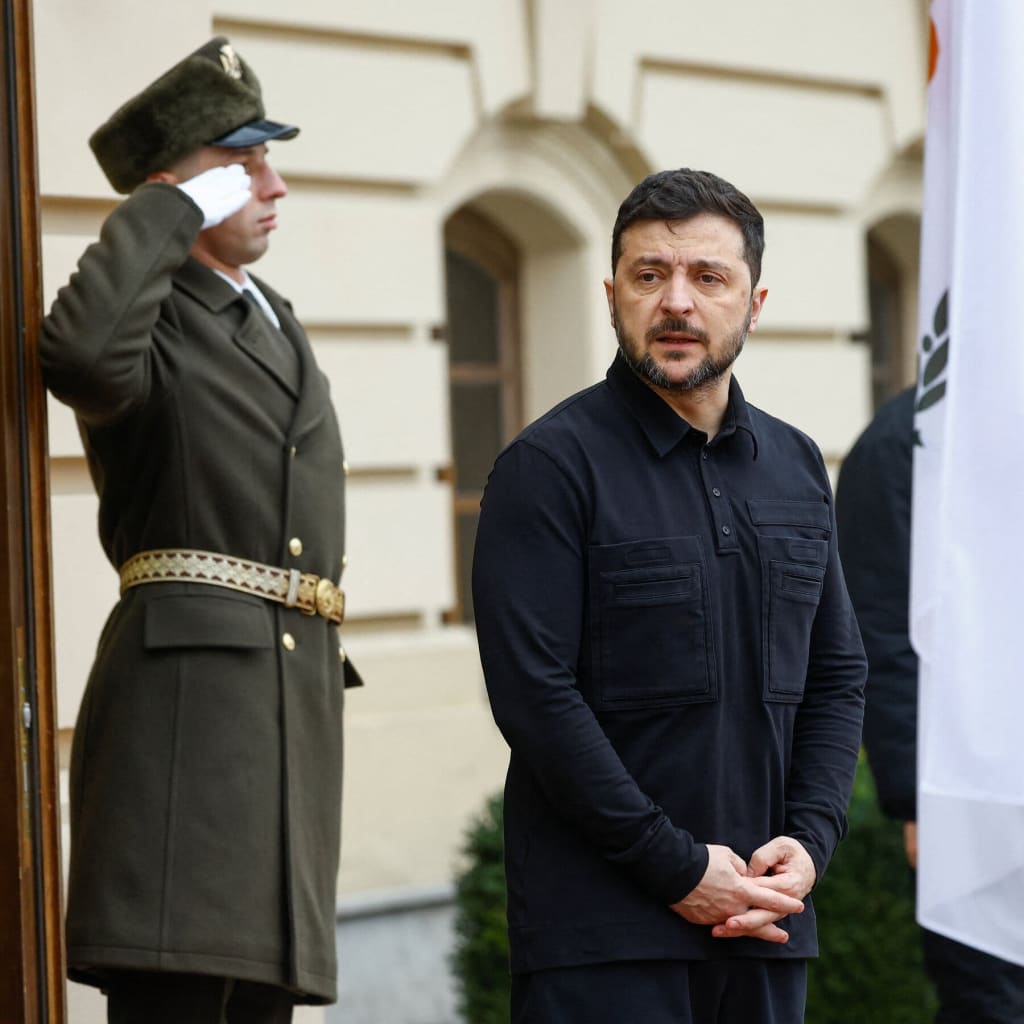
After nearly three years of unrelenting war, countless civilian casualties, and waves of missile strikes that have reshaped the map of Eastern Europe, President Volodymyr Zelensky is once again stepping onto the global stage — this time in London. His mission? To meet with the leaders of Britain, France, and Germany in a renewed push to break the deadlock in ongoing peace negotiations with Russia.
For many watching the conflict unfold, this meeting feels different. It’s not just another diplomatic photo-op or symbolic show of solidarity. Instead, it comes at a moment when the stakes could not be higher. Peace talks, pushed heavily by the United States and European Union, have dragged on with frustration mounting on all sides. Russia continues its aggressive offensive, Ukraine continues to resist, and ordinary civilians continue paying the highest price.
Now, Europe — once again — finds itself at the center of a geopolitical crisis with global implications.
Why London? Why Now?
Zelensky’s meeting in London isn’t random. Britain has been one of Ukraine’s strongest allies since the early days of the war, offering military aid, training programs, and political backing even when international support wavered. Holding the summit there sends a clear message: Europe must not only remain united — it must take the lead.
The U.S. has recently stepped back from being the primary driver of negotiations, instead urging Europe to step forward with a long-term, stable peace framework. This shift places extra pressure on European powers to not only support Ukraine’s defense but also shape its future.
In many ways, the London meeting is Europe’s moment of truth.
A Gathering of Power Players
The summit brings together a trio of leaders whose countries hold tremendous influence within the EU:
UK Prime Minister Keir Starmer
French President Emmanuel Macron
German Chancellor Friedrich Merz
Combined, these three nations represent the backbone of European funding, military capability, and political clout. Their decisions will ripple through the continent for decades.
For Zelensky, this is an opportunity — perhaps one of the last — to secure binding promises of support before any peace agreement takes final shape.
What’s Really on the Table?
Despite the hopeful headlines, peace talks remain incredibly fragile. Both sides are dug in, and Russia has shown little intention of backing away from its territorial ambitions. Still, several key points are expected to dominate the conversation in London:
1. Long-Term Security Guarantees
Ukraine isn’t just looking for short-term aid. It needs durable security agreements — guarantees that Europe will stand by its side long after the ink dries on any peace deal. This includes air defense systems, weapons supplies, and coordinated military support.
2. Financial Commitments
Rebuilding Ukraine won’t be cheap. Billions have already been spent, and billions more will be needed. Zelensky’s goal is to secure long-term funding mechanisms that can survive future elections or shifting political winds.
3. A Unified European Peace Strategy
One of Ukraine’s biggest fears is a fragmented peace plan — different countries making different promises with different intentions. London may finally offer a single European voice, one strong enough to bring stability to the negotiating table.
4. Pressure on Russia
Europe’s ability to influence Russia is limited, but not nonexistent. Coordinated sanctions, diplomatic isolation, and carefully calibrated military support could create new leverage. Europe knows this — and knows time is running out.
The Risks No One Wants to Talk About
Even as the leaders gather in polished halls and secure conference rooms, the risks remain enormous.
Russia continues targeting Ukrainian energy plants, rail lines, and civilian centers, making the humanitarian situation dire. Each new attack threatens to derail negotiations, inflame public anger, and undermine diplomatic efforts.
There is also a political risk: leaders in London must balance their own citizens’ concerns about the cost of war, rising inflation, and fears of escalation. A tired public is harder to rally, and politicians know it.
Meanwhile, any peace agreement that appears to reward Russian aggression — especially one involving territorial concessions — could fracture public support in Europe and provoke backlash within Ukraine itself.
A Moment That Could Shape a Generation
As Zelensky steps into London, he carries with him the weight of a nation hoping for relief, stability, and — above all — a just peace. Across Europe, millions watch carefully. Will this meeting finally move the needle? Will it spark the momentum needed to end the conflict? Or will it become just another chapter in a long, painful stalemate?
No one can say for sure. But one thing is clear:
what happens in London could determine the next decade of European security and Ukraine’s future as an independent state.
Peace may still feel distant, but moments like these — when leaders gather, when ideas collide, when unity is tested — are where the foundations of the future are laid.
And today, those foundations are being built in London.
About the Creator
Keep reading
More stories from Ayesha Lashari and writers in The Swamp and other communities.
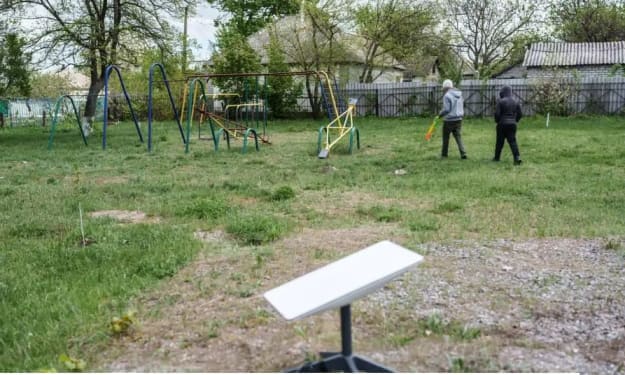
Intelligence by Deception: How Ukraine Turned a Fake Starlink Service Into a Battlefield Trap
In modern warfare, the battlefield is no longer limited to trenches, tanks, and artillery fire. Today, wars are fought in the digital shadows — through satellite networks, encrypted apps, cyber deception, and data manipulation. A recent operation by Ukrainian forces demonstrates just how powerful digital intelligence can be.
By Ayesha Lashari15 days ago in The Swamp
A Gathering of Evil Bosses
“I’m the queen of chin jutting while I smooth my hair, attacking, insulting, and deflecting to protect my appointer.” “Oh, please, Blondi, my hair is curled, highlighted, and longer than yours. I feature television commercials telling immigrants that we will give them a free plane ride home, and if they voluntarily turn themselves in, they will be allowed to legally apply for re-entry. It runs everywhere, and I look good in it! You can’t compete because of your blond hair. Mine is nicer, and my lips are prettier than yours.”
By Andrea Corwin 10 days ago in The Swamp



Comments
There are no comments for this story
Be the first to respond and start the conversation.