
Yen Climbs to Two-Month High, Markets Brace for Possible Intervention
A sharp rise in the Japanese yen has put global markets on edge, fueling speculation that authorities may step in to manage currency volatility.

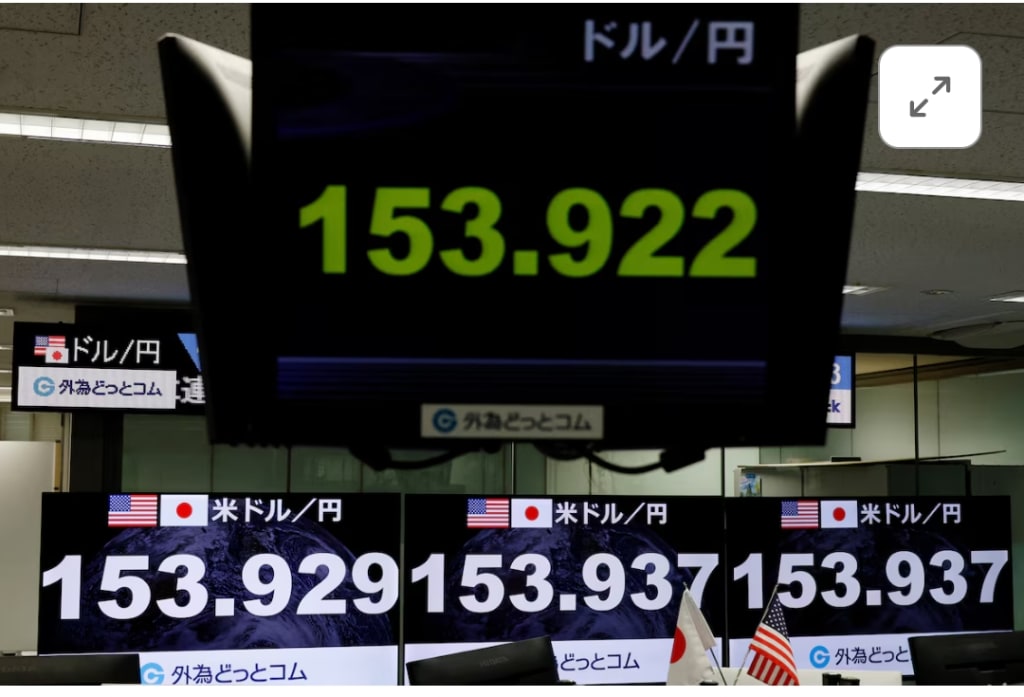
Yen Rally Captures Market Attention
The Japanese yen surged to its strongest level in more than two months, drawing intense attention from currency traders and policymakers alike. The sudden strength has raised questions about whether Japanese authorities could intervene to curb excessive volatility, a move that could have far-reaching implications for global markets.
Currency movements of this magnitude often signal deeper shifts in investor expectations, and the yen’s rally is no exception.
What’s Driving the Yen Higher?
Several factors are contributing to the yen’s appreciation. Chief among them is growing speculation about a shift in Japan’s monetary policy. After years of ultra-loose conditions, signs that the Bank of Japan (BOJ) may gradually normalize policy have increased demand for the currency.
In addition, global investors are reducing carry trades that previously favored borrowing in yen to invest in higher-yielding assets elsewhere. As risk appetite softens, these positions are being unwound, pushing the yen higher.
Safe-haven demand has also played a role, with investors seeking refuge amid global economic uncertainty.
Markets on Alert for Intervention
Japan has a history of intervening in currency markets when yen moves become disorderly. While authorities typically tolerate gradual shifts, sharp or rapid appreciation can prompt action, particularly if it threatens economic stability.
Officials have not signaled immediate intervention, but verbal warnings alone can influence market behavior. Traders remain highly sensitive to any comments from Japan’s finance ministry or the BOJ, aware that sudden intervention could trigger significant volatility.
The possibility of action has kept markets cautious, with many participants reluctant to push the yen significantly higher.
Impact on Japanese Markets
The yen’s rise has had mixed effects on domestic markets. Japanese government bonds have benefited as higher currency value attracts foreign investment and eases imported inflation pressures.
Conversely, Japanese stocks, especially export-oriented companies, have faced headwinds. A stronger yen reduces overseas earnings when converted back into local currency, weighing on corporate profit expectations.
This divergence underscores the complex trade-offs policymakers face when managing currency strength.
Global Implications of a Stronger Yen
The yen’s movement has implications beyond Japan. As a major funding currency, yen appreciation can ripple through global markets, affecting equities, bonds, and other currencies.
Emerging markets, in particular, are sensitive to shifts in global capital flows triggered by changes in major currencies. A sustained yen rally could alter risk dynamics and influence investor strategies worldwide.
Currency traders are closely monitoring cross-currency relationships for signs of broader market realignment.
Policy Dilemmas for Japanese Authorities
Japan’s policymakers face a delicate balancing act. A stronger yen helps contain inflation and supports consumer purchasing power, but excessive appreciation risks slowing economic growth and hurting exporters.
Intervening too aggressively could undermine market confidence, while doing nothing may allow volatility to increase. As a result, authorities are likely to proceed cautiously, relying on communication and targeted measures rather than dramatic actions.
The BOJ’s next policy signals will be critical in shaping market expectations.
What Investors Are Watching Next
Investors are focused on upcoming economic data, policy statements, and any hints of intervention. Even subtle changes in tone from officials could influence currency markets.
Short-term volatility is likely to remain elevated as traders adjust positions and assess the likelihood of policy action. For long-term investors, the yen’s strength raises broader questions about Japan’s economic trajectory and monetary strategy.
Conclusion
The yen’s climb to a two-month high has put markets on alert, highlighting the sensitivity of global finance to currency movements and policy expectations. While the rally reflects confidence in Japan’s economic outlook and policy shifts, it also raises the specter of official intervention.
As markets navigate this uncertain terrain, the yen’s next moves will depend on a complex interplay of domestic policy, global risk sentiment, and investor behavior. For now, caution—and close attention to official signals—remains the prevailing mood.
About the Creator
Asad Ali
I'm Asad Ali, a passionate blogger with 3 years of experience creating engaging and informative content across various niches. I specialize in crafting SEO-friendly articles that drive traffic and deliver value to readers.
Hyundai Motor to Recall Nearly 84,000 US Vehicles Over Instrument Panel Display Failure, NHTSA Says
Hyundai Motor Company has announced a major recall affecting nearly 84,000 vehicles in the United States, after the National Highway Traffic Safety Administration (NHTSA) flagged an issue with instrument panel displays. According to officials, the displays in certain models may fail unexpectedly, preventing drivers from seeing critical information such as speed, fuel level, and warning lights. The recall highlights the importance of vehicle safety oversight and timely responses to potential defects.
By Muhammad Hassan3 days ago in The Swamp
Maryland to Get Its Own Smaller Version of the Las Vegas Sphere
For years, Nevada has been synonymous with entertainment innovation. From dazzling live shows to immersive digital experiences, the state has served as a testing ground for ambitious ideas that blend technology, art, and audience engagement. Now, one cutting-edge entertainment landmark that first captured attention in Nevada is preparing to expand beyond state lines, signaling a major shift in how large-scale entertainment experiences are developed and delivered across the country and beyond.
By Aarif Lashari7 days ago in The Swamp




Comments
There are no comments for this story
Be the first to respond and start the conversation.