
Why the Statue of Sir John A. McDonald Should Not Have Been Removed
If we do not study history, we are doomed to repeat its mistakes.

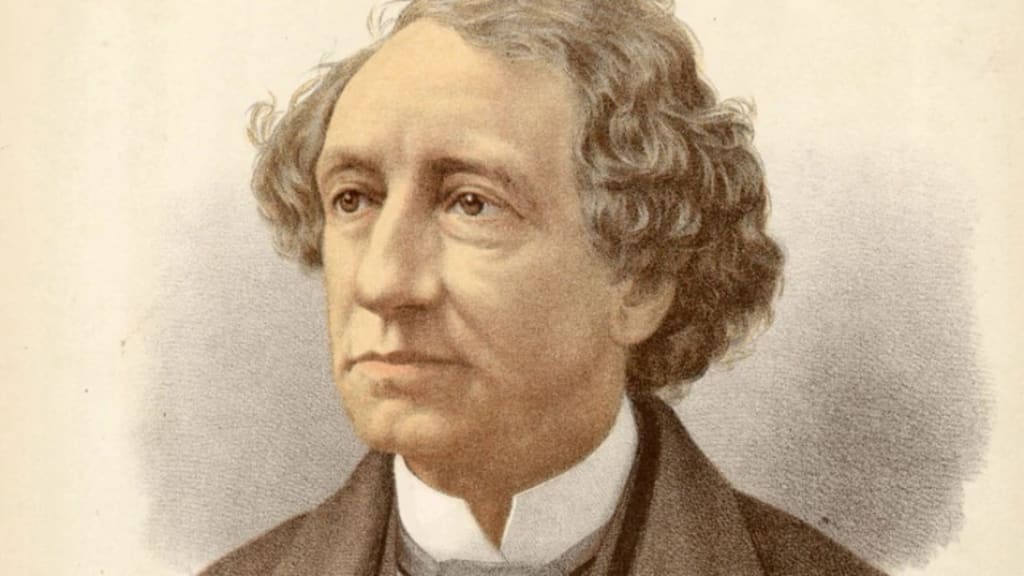
On August 11th, 2018, a statue of Canada's first Prime Minister was removed from its site in front of city hall in Victoria, British Columbia. The controversial decision to remove the statue had been under debate for some time among the city council members before an almost unanimous verdict was reached in favour of removing the statue.
The driving factor to remove the statue from its public placing in front of the city council was to act as the first step towards reconciliation for Songhees and Esquim first nation tribes for the introduction of Residential schools during Macdonald's time in office. The mayor of Victoria, Lisa Helps, stated in an interview that "[Sir John A. Macdonald] was also the architect of the Indian Residential School system. So we need to find a way to both commemorate history and reconcile with history"
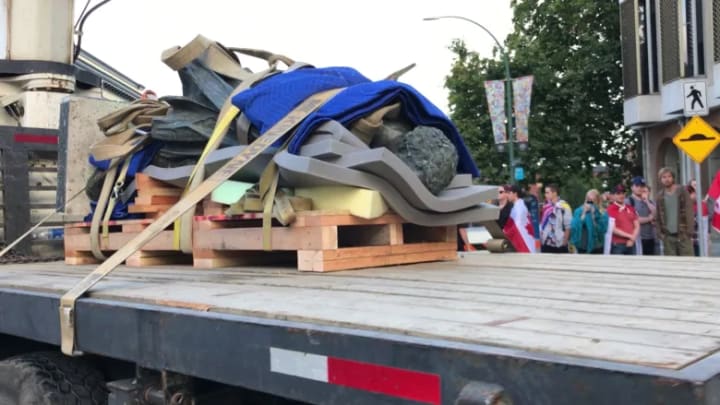
Statue of Sir John A. Macdonald being removed from city hall in Victoria, BC
The man of controversy is none other than Canada's first prime minister, Sir John A. Macdonald. Macdonald was in office for two terms (1867-1873 and 1878-1891), and during his time he acted as a catalyst for what the nation of Canada would become. Sir John A. Macdonald's most impactful contribution to Canada was the production of the British North American act which entailed a union of provinces and eventually territories that would become Canada. The British North America act had brought the provinces of Ontario, Quebec, Nova Scotia and New Brunswick to form the initial state of Canada.
Another major contribution from Macdonald was the Transcontinental Canadian Pacific Railway (CPR) which began construction in 1881 and finished in 1885. This railway began by the maritime provinces known as Nova Scotia and New Brunswick and finished in British Columbia. The cultivation of this project allowed for the rapid development of the western provinces as people and resources could be taken by train rather than horse and carriage. The CPR also unified the remaining western provinces to form the 10 provinces of Canada.
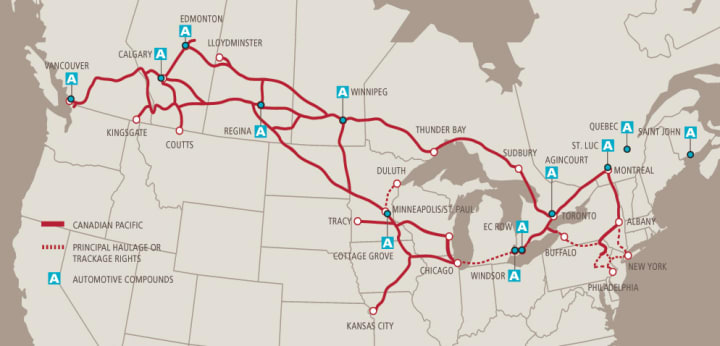
The Canadian Pacific Railway
However beneficial to Canadians across the nation, the Canadian Pacific Railway required land for its construction. Such land was acquired through deals that involved trades and cash payments that to this day remain controversial for how they favour the Canadian government. Other first nation tribes, however, were forced from their homes.
Macdonald's decisions in office progressed the lone states to unify under a centralized government but at the cost of land of indigenous peoples. Another known controversy during Macdonald's time in office was the introduction of residential schools. The purpose of these institutions was to assimilate indigenous people into European/Canadian society. However, when put into practice, residential schools proved harmful to indigenous children as they were removed from their parents and home to abandon the culture and language of their people. Students were fitted to a European-Canadian appearance with short hair for boys, stripped of their cultural clothing while being given new names.
When students disobeyed the rules provided and resisted the change that was forced upon them they were punished harshly, with some being beaten, confined, or even chained. With the total authority of the students at the school, the religious figures who ran the school were able to take advantage of the students, with some students being sexually assaulted. The terror of residential schools endured until 1996 when the last school was shut down, but not before 6,000 students died due to the institution implemented to assimilate them to a society they wanted no part of.
This stands as the grounds in which the statues of John A. Macdonald were removed from government buildings, and his name removed from public schools across Canada. As reasonable as it is to condemn a man who stood by as such institutions took advantage of helpless children, the residential schools did not stop at the end of Macdonald's time in office, but in 1996, with 18 prime ministers serving office from Macdonald to 1996. Do we condemn every single one of these people who had no hand in the cultivations of these schools, but allowed for such institutions to continue to exist?
The answer lies with historical revisionism. Historical revisionism is the method historians and many people use to critique methods of those who came before us with some judging their actions through a modern lens. The problem lies in the analysis of history in which people judge the actions of those in the past through modern morals and values. During John A. Macdonald's time colonialism had been in full effect and was only to continue as the population of Canada grew, leaving the indigenous people with two options: Avoid the Canadians and refuse to live in harmony, possibly instigating conflict over resources or land, or learn to acculturate into Canadian society, still retaining their native heritage but also adopting the values that Canadian citizens abide by. It then becomes unfair to compare the decisions of past historical figures to modern values.
To put this method in a modern lens, we are all aware of climate change and the damage that we do on a daily basis to contribute to the epidemic, despite knowing the costs of doing so. Each person has indulged themselves in either being a passenger or driver of a vehicle that pumps poisonous gases into the atmosphere. We cut down forests at an outstanding rate which further adds to impact we have on climate change as trees act as nature's filter to then provide clean air for organisms to breathe. What, in 50 years from today, that culture that will lack natural resources, clean air, and a chance to reverse the effects of climate change think of us? If they were aware of the ignorance of billions of people who willingly poisoned the planet they live in now, it becomes reasonable to then lock any statue of present figures or to force society to forget who they were entirely, unless that individual so wishes to seek that information for themselves.
The removal of the statue of Sir John A. Macdonald, the first prime minister of Canada and the removal of his name from schools allows Canadians to forget the actions that made this man great, and controversial. In the two months since the statue of Macdonald was removed in Victoria when the news blew up regarding the social implications of removing it, there had not been a word in the news since the decision had been made, showing that people have already forgotten who he is. A Spanish philosopher by the name of George Santayana, "Those who cannot remember the past are condemned to repeat it."
About the Creator
Sanj S
Just here for the fun of literature. I plan on continually posting articles regarding different topics from interviews, stories, and educational content. If you enjoy my content, feel free to follow my progress on this platform. Thanks!


Comments
There are no comments for this story
Be the first to respond and start the conversation.