
Who Owns TikTok in the U.S. Now
Understanding the Complex Ownership and Control of the Social Media Giant

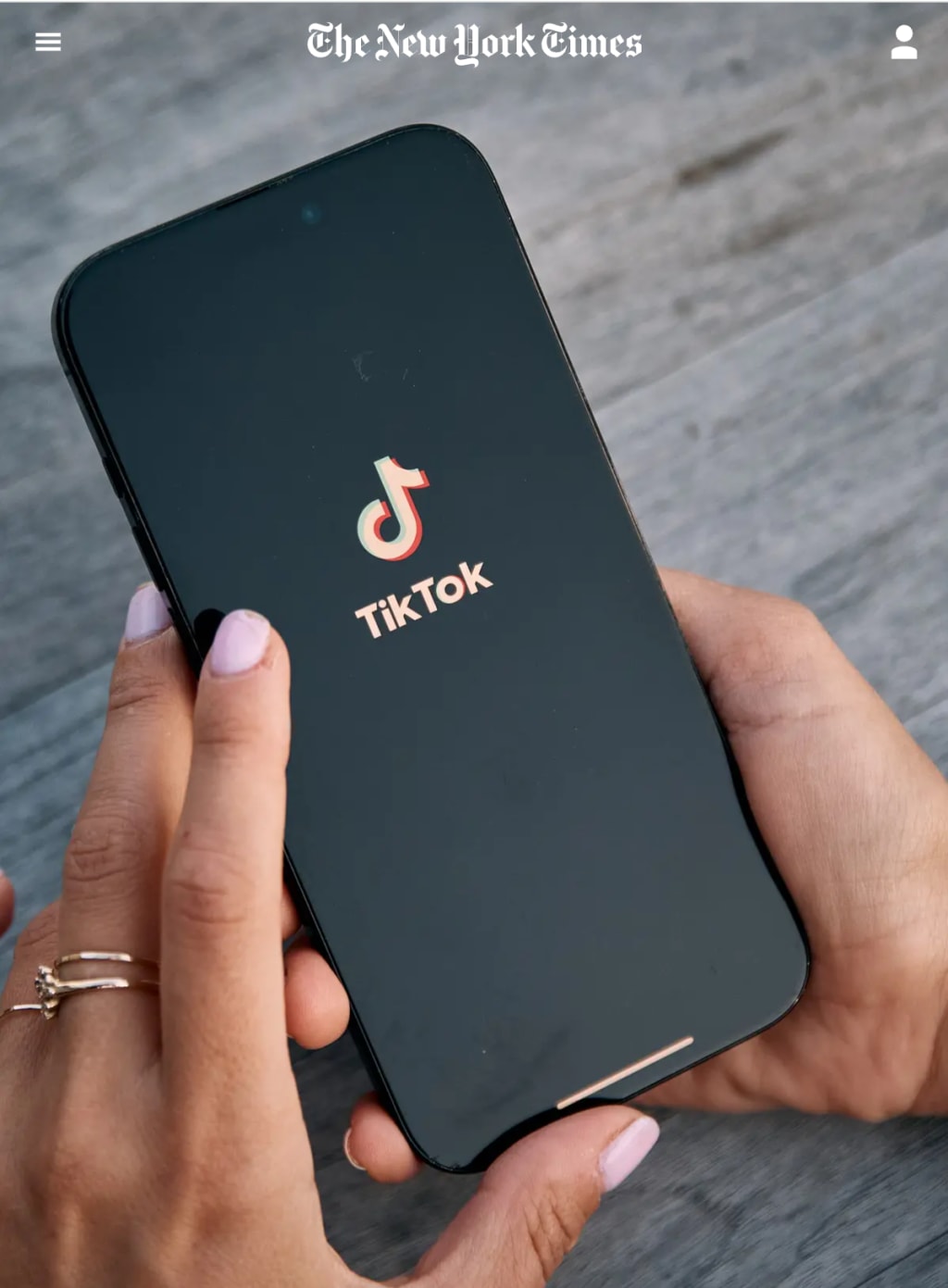
TikTok is one of the most popular social media apps in the United States, especially among teens and young adults. With its short, addictive videos, it has changed how people consume content online. But when it comes to who actually owns TikTok in the U.S., the answer isn’t as simple as pointing to a single company. Recent political scrutiny, corporate restructuring, and legal maneuvering have made TikTok’s ownership a central issue in tech policy, national security debates, and business news.
In this article, we’ll break down who owns TikTok, how its ownership structure works, and what that means for users, lawmakers, and the future of social media in America.
What Is TikTok’s Parent Company?
TikTok is owned by ByteDance Ltd., a tech company based in Beijing, China. ByteDance launched TikTok in 2016 (internationally) after merging with another app called Musical.ly in 2018. Since then, TikTok has skyrocketed in popularity, reaching hundreds of millions of users worldwide, including tens of millions in the U.S.
Because ByteDance is a Chinese company, TikTok’s ownership has drawn intense scrutiny from U.S. lawmakers who worry about how American user data might be accessed or used. This concern has driven political action and corporate adjustments aimed at reducing foreign influence—or at least the appearance of it.
The U.S. Subsidiary: TikTok Global
To address national security concerns, TikTok announced that it would establish a U.S.-based subsidiary called TikTok Global. This entity was designed to house TikTok’s American operations, including data storage and management, and bring some control closer to U.S.-based leadership.
In theory:
TikTok Global would operate as a standalone company within the U.S.
ByteDance would hold a stake, but not full control.
A group of U.S. investors—like major tech and financial firms—were expected to own equity.
However, this plan has faced legal, political, and regulatory hurdles, and has not fully eliminated concerns about ByteDance’s influence.
U.S. Investors and “Trusted Tech” Plans
At various points, TikTok pursued partnerships with major U.S. companies to reduce perceived foreign risk. For example, there were talks involving companies like:
Oracle
Walmart
Other potential investors interested in buying a stake in TikTok’s U.S. operations
The general idea was to create a trusted tech stack—where U.S.-based infrastructure, data governance, and oversight would protect American user data from potential foreign government access.
But these deals have been complicated, frequently shifting, and sometimes stalled due to regulatory or political pushback.
Political Pressure and Ownership Shifts
Ownership of TikTok in the U.S. has become as much a political issue as a business one. Multiple waves of concern have come from U.S. lawmakers who argue that TikTok's connection to ByteDance could allow the Chinese government to access data or influence content. These concerns have led to proposals for:
Forced divestiture of U.S. operations
Bans on downloads in the United States
Data localization requirements
Oversight by U.S. regulatory bodies
Some government officials have supported outright banning TikTok unless ByteDance sells its stake. Others have suggested more moderate fixes like legally enforced data separation or enhanced auditing.
While none of these proposals have fully passed into law, they have influenced corporate strategy and investor involvement.
Who Really Controls TikTok?
When we talk about “ownership,” it’s important to separate ownership from control:
Ownership
ByteDance (China) owns TikTok at the highest corporate level.
Investments and subsidiaries may carry partial stakes held by U.S. partners.
Control
Day-to-day operations in the U.S. are managed by executives based in America.
TikTok has pledged to store U.S. user data on U.S. servers and use U.S.-based teams for moderation and security.
However, critics argue that as long as ByteDance retains any ownership or influence, real control isn’t fully in American hands.
Why Ownership Matters
So why is the question of ownership such a big deal?
1. Data Privacy and Security
U.S. lawmakers are concerned that user data—such as location, contacts, face recognition identifiers, and viewing behavior—could be accessed by foreign entities. Even with data hosted in the U.S., the fear of indirect access remains.
2. Content Influence
There’s ongoing debate over whether TikTok could be pressured to promote or suppress certain information. Skeptics worry about potential political influence or censorship, though TikTok maintains it operates independently.
3. Precedent for Other Tech Companies
TikTok’s ownership situation sets a precedent for how foreign-based tech platforms operate in the U.S. The policies and solutions developed here may affect future companies with cross-border ownership.
About the Creator
Muhammad Hassan
Muhammad Hassan | Content writer with 2 years of experience crafting engaging articles on world news, current affairs, and trending topics. I simplify complex stories to keep readers informed and connected.
Keep reading
More stories from Muhammad Hassan and writers in The Swamp and other communities.
Elon Musk’s SpaceX Lines Up Banks to Lead Mega-IPO
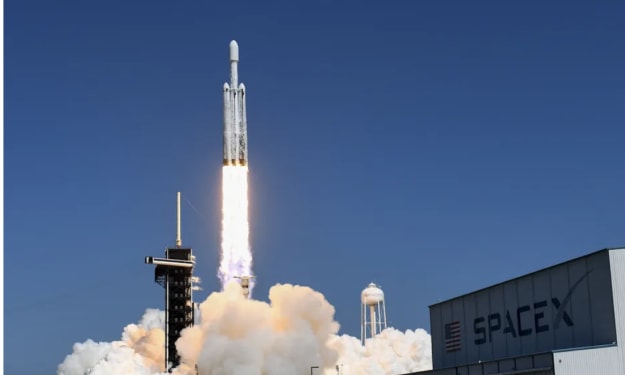
Elon Musk’s SpaceX is moving closer to a historic milestone as it lines up major financial institutions to lead a potential mega-IPO (Initial Public Offering). The private space company, known for its ambitious missions and groundbreaking technology, is preparing to offer shares to the public, potentially raising billions of dollars while giving investors a chance to participate in one of the world’s most closely watched aerospace ventures.
By Muhammad Hassan7 days ago in The Swamp
Danish PM Visits Greenland for Show of Support After Trump's Controversial Threats
In a display of solidarity and political diplomacy, Danish Prime Minister Mette Frederiksen visited Greenland in late 2019, a move that was seen as a response to U.S. President Donald Trump’s controversial remarks about buying the autonomous territory. Greenland, a vast, resource-rich island that is part of the Kingdom of Denmark, had found itself at the center of an international diplomatic storm after Trump expressed interest in acquiring it, leading to tensions between Denmark and the U.S.
By Ayesha Lashari4 days ago in The Swamp



Comments
There are no comments for this story
Be the first to respond and start the conversation.