
What Next for Iran’s Supreme Leader? Navigating Crisis, Protest, and Uncertain Succession
Rising protests, economic strain, and succession questions put Iran’s highest authority at a historic crossroads

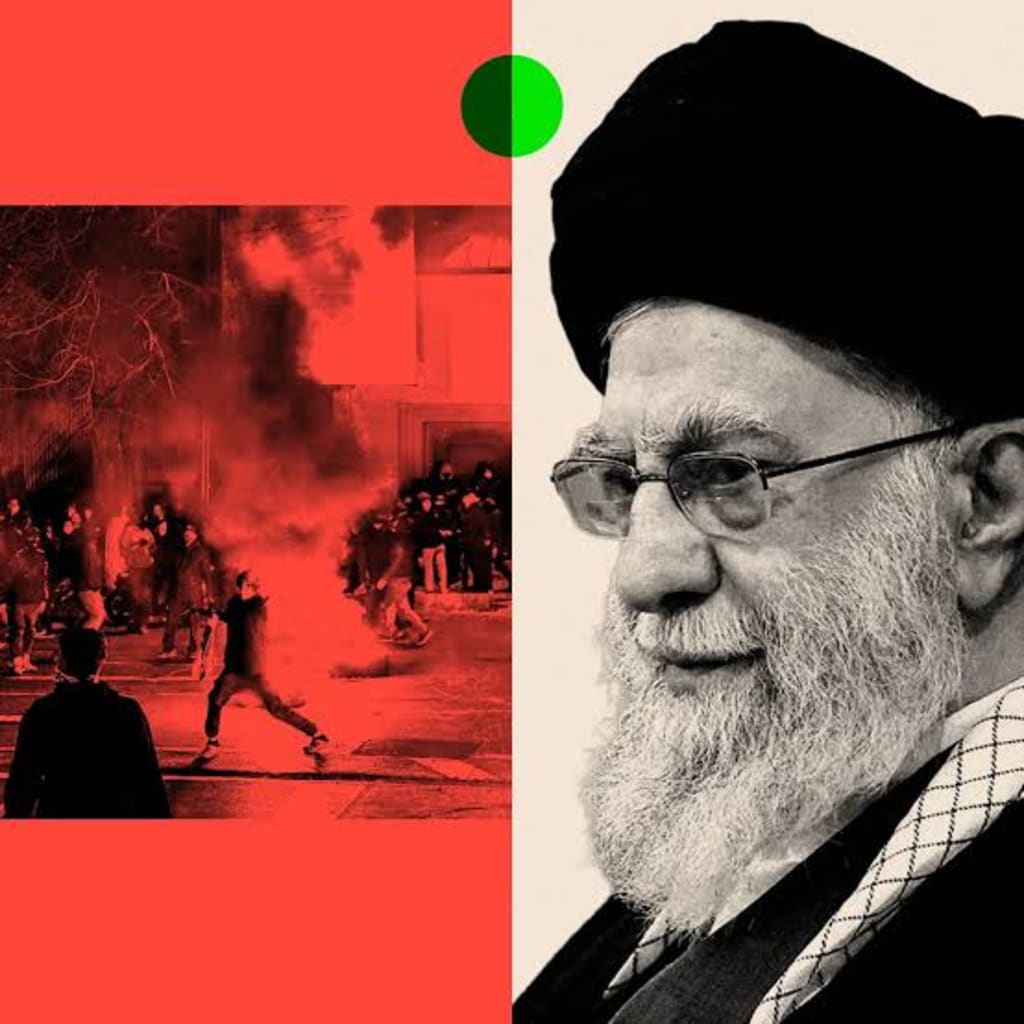
Iran’s Supreme Leader Ayatollah Ali Khamenei stands at a crossroads. As one of the longest-serving heads of state in the Middle East, his authority has shaped Tehran’s domestic and foreign policy for decades. But mounting internal unrest, economic collapse, and growing questions about succession are forcing Iran and the world to confront an urgent and complex question: What comes next for Iran’s Supreme Leader?
A Leader Under Pressure
At age 86, Ayatollah Khamenei’s grip on power faces unprecedented challenges. Since late 2025, Iran has experienced widespread protests rooted in economic hardship, rising inflation, government corruption, and disillusionment with the clerical ruling system. These demonstrations have quickly evolved from localized unrest into nationwide calls for profound political change, including criticism of the highest religious authority in the land. �
rtvonline.com +1
In response, state security forces have launched a brutal crackdown on protesters, employing live fire, mass detentions, and severe communication blackouts meant to stifle information and prevent mobilization. Reports indicate that thousands have been arrested and hundreds killed, underscoring the gravity of the crisis. �
Wikipedia
Khamenei has doubled down in rhetoric, dismissing protesters as “rioters” and insisting that dissent must be suppressed to preserve national stability. But his hardline stance has deepened public frustration and fueled calls for a regime transformation. �
Al Jazeera
The Question of Succession
Unlike many modern leaders, the position of Supreme Leader in Iran is not hereditary, yet succession remains a critical concern. Constitutional mechanisms vest ultimate authority in the Leader of the Islamic Republic, not the president or parliament, and succession is determined by the Assembly of Experts—a clerical body often aligned with conservative elements of the state.
Speculation about what happens after Khamenei has intensified due to his age and the turmoil gripping the nation. Within elite political circles, the debate centers on two paths: the continuation of clerical rule under a new hardline figure, or a potential shift toward a more inclusive or even transitional leadership model. �
euronews
Notably, Tehran Times and other regime-aligned outlets have dismissed rumors that Khamenei would install one of his sons, such as Mojtaba, as his successor, reinforcing that succession decisions will conform to strict constitutional criteria. �
euronews
Opposition Voices and Alternative Visions
While hardliners remain influential, the streets of Iran tell a different story. Protesters have chanted slogans targeting Khamenei and even calling for the nationalist figure Reza Pahlavi—son of the last shah—to return as a symbol of broader political change. Such slogans reflect the diversity of opposition sentiment, which ranges from secular democratic reform to more radical shifts away from the Islamic Republic. �
ایندیپندنت فارسی +1
In exile, Pahlavi has positioned himself as a potential transitional leader, advocating for referendums and democratic governance rather than a return to monarchy. His supporters see him as a unifying figure who could guide Iran through a post-regime transition, although his actual influence within Iran remains debated. �
theguardian.com
Other opposition groups, including reformers, secularists, and even some nationalist factions, offer varying visions for Iran’s future. Some advocate for constitutional reforms within a republican framework, while others push for more grassroots, decentralized governance. The diversity of these voices illustrates that the future leadership landscape is neither singular nor predictable. �
Reddit
Regional and Global Implications
What happens next in Iran is not just a domestic matter. Tehran’s foreign policy under Khamenei has been defined by its regional network of alliances and proxy relationships—often referred to as the “Axis of Resistance”—which has included armed allies in Lebanon, Iraq, Syria, and Yemen. �
Foreign Affairs Forum
A leadership transition could have significant implications for these networks and for the broader geopolitical balance in the Middle East. A weakened or transitioning leadership might be less able to project power externally, while a resurgence of consolidated clerical authority could mean continued resistance to Western influence and ongoing tensions with neighbors.
International pressure, particularly from the United States and Europe, has evolved alongside these internal struggles. In early 2026, Washington imposed new sanctions on Iranian officials and related economic networks while pausing direct military action. These measures aim to increase pressure on the regime without escalating conflict. �
wsj.com
Paths Forward: Stability, Reform, or Transformation
Several scenarios could unfold in the coming months and years:
Regime Consolidation: Hardliners could tighten control, suppressing dissent and maintaining the clerical status quo, possibly under new leadership selected by the Assembly of Experts.
Internal Reform: The establishment of limited reforms aimed at appeasing public demands without fundamentally altering the system—an approach that may buy time but risks further unrest.
Transitional Leadership: A negotiated shift toward a transitional governing body, potentially influenced by figures like Pahlavi or other reformist leaders, leading to constitutional changes.
Widespread Upheaval: Continued protests could intensify, leading to unpredictable outcomes ranging from civil conflict to a more rapid regime collapse.
The only certainty is that the future of Iran’s Supreme Leader and the system he represents is being questioned like never before. As the internal crisis deepens, the world watches not just who will succeed Khamenei, but what leadership model will emerge from decades of entrenched authoritarian rule.
About the Creator
Fiaz Ahmed Brohi
I am a passionate writer with a love for exploring and creating content on trending topics. Always curious, always sharing stories that engage and inspire.
Keep reading
More stories from Fiaz Ahmed Brohi and writers in The Swamp and other communities.
Machado Vows to Lead Venezuela ‘When the Right Time Comes’: A Strategic Vision for Change
Venezuelan opposition leader María Corina Machado has publicly reiterated her commitment to one day serve as president of Venezuela — but only when conditions are right for a democratic transition. The Nobel Peace Prize‑winning politician’s comments come at a pivotal moment in Venezuela’s political upheaval, as the country navigates a power shift following the ousting of long‑time leader Nicolás Maduro earlier this month. Machado’s stance reflects both optimism and realism about her role in Venezuela’s future political landscape. �
By Fiaz Ahmed Brohi2 days ago in The Swamp
RWE Secures Contracts for Difference for 6.9 Gigawatts of Offshore Wind Capacity in UK Allocation Round 7 and Agrees a Long-Term Partnership with KKR
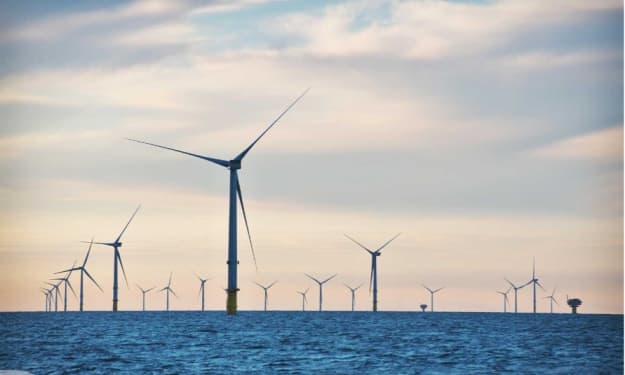
The United Kingdom’s renewable energy sector reached a significant milestone as RWE, one of Europe’s leading renewable energy companies, secured Contracts for Difference (CfDs) for 6.9 gigawatts (GW) of offshore wind capacity in UK Allocation Round 7 (AR7). Alongside this achievement, RWE also announced a long-term strategic partnership with global investment firm KKR, reinforcing confidence in the UK’s offshore wind market. This development highlights the UK’s continued leadership in offshore wind and signals strong investor confidence despite global economic challenges. Understanding the Contracts for Difference (CfD) Scheme The Contracts for Difference scheme is a key mechanism used by the UK government to support low-carbon electricity generation. It guarantees renewable energy developers a fixed price for the electricity they produce, protecting them from market volatility while ensuring consumers benefit from stable energy costs. By securing CfDs in Allocation Round 7, RWE has ensured long-term revenue stability for its offshore wind projects, enabling large-scale investment and timely project delivery. Scale and Impact of the 6.9 Gigawatts Offshore Wind Capacity The 6.9 GW of offshore wind capacity secured by RWE represents one of the largest allocations in the latest funding round. Once operational, these projects are expected to generate enough clean electricity to power millions of UK homes. This capacity will significantly reduce carbon emissions, lower dependence on fossil fuels, and contribute directly to the UK’s target of achieving net-zero emissions by 2050. Contribution to the UK’s Net-Zero and Energy Security Goals Offshore wind is central to the UK’s clean energy strategy, with a national goal of reaching 50 GW of offshore wind capacity by 2030. RWE’s successful bids in Allocation Round 7 make a substantial contribution toward this target. In addition to environmental benefits, these projects strengthen energy security by increasing domestic power generation and reducing exposure to global energy market volatility. Strategic Long-Term Partnership Between RWE and KKR Alongside its success in AR7, RWE announced a long-term partnership with KKR, a global investment firm with a strong track record in infrastructure and energy investments. This partnership combines RWE’s technical expertise in offshore wind development with KKR’s financial strength and investment capabilities, allowing both companies to scale projects efficiently and manage long-term risks. Boosting Investor Confidence in the UK Renewable Market The RWE–KKR collaboration sends a strong message to international investors about the attractiveness of the UK offshore wind sector. Despite challenges such as inflation, rising interest rates, and supply chain constraints, the UK remains a stable and competitive market for renewable energy investment. Such partnerships are crucial in maintaining momentum as global competition for clean energy capital intensifies. Economic Growth and Job Creation Opportunities Large-scale offshore wind projects bring wide-ranging economic benefits. From turbine manufacturing and port infrastructure to maintenance and engineering services, RWE’s projects are expected to support thousands of jobs across the UK. The long-term nature of these developments ensures sustained employment opportunities, particularly in coastal and industrial regions. Challenges Facing Offshore Wind Development While the announcement is largely positive, the offshore wind sector continues to face challenges, including rising construction costs, grid connection delays, and complex regulatory processes. However, the success of Allocation Round 7 demonstrates that with stable policy frameworks and strong private-sector partnerships, these challenges can be effectively managed. A Defining Moment for the UK Energy Transition RWE securing 6.9 GW of offshore wind capacity and entering a long-term partnership with KKR marks a defining moment in the UK’s clean energy journey. This achievement underlines offshore wind’s role as a cornerstone of the UK energy system, driving sustainability, economic growth, and long-term energy resilience.
By Aarif Lashari3 days ago in The Swamp



Comments
There are no comments for this story
Be the first to respond and start the conversation.