
What Happens When Eight Million Universal Visitors Need the Loo?
Behind the Scenes of Managing Restrooms at the World’s Busiest Theme Parks

Universal Studios, one of the world’s most visited theme park destinations, welcomes millions of guests every year. From thrilling rides to immersive movie-themed attractions, the parks promise excitement—but there’s another challenge that park operators face that rarely makes the headlines: managing restroom facilities for millions of people.
The question may seem trivial at first, but ensuring that every visitor has access to clean, functional bathrooms is a logistical feat that requires planning, coordination, and constant adaptation.
The Scale of the Challenge
Universal Parks & Resorts sees over eight million visitors annually across its Florida and California locations. That means at peak times, thousands of people are queuing for rides, shows, and—yes—bathrooms simultaneously.
Consider the numbers: if just 10% of guests need to use a restroom within the same 15-minute window, that’s hundreds of people all requiring access at once. The result is:
Queues stretching beyond main thoroughfares
Potentially overwhelmed facilities
Operational pressure on cleaning and maintenance staff
Meeting these needs without compromising visitor experience is a constant balancing act.
Strategic Restroom Placement
One of the ways Universal manages this enormous demand is through careful restroom placement. Bathrooms are strategically located throughout the park, often near high-traffic attractions, food courts, and entertainment zones.
Key principles include:
Accessibility: Ensuring guests don’t have to walk long distances
Capacity: Larger restrooms near main rides and shows to handle surges
Flow: Multiple entry and exit points to reduce bottlenecks
This level of planning requires data analysis, crowd monitoring, and continuous refinement based on visitor patterns.
Peak Times and High-Demand Attractions
Some attractions naturally generate more restroom demand than others. For example:
Roller coasters and thrill rides often have pre-show queues where guests anticipate using the restroom beforehand
Dining areas spike around meal times, creating simultaneous demand
Special events and seasonal promotions draw larger crowds, further increasing pressure
To manage this, Universal often stages restroom “traffic control”, directing guests via signage and staff guidance to underutilized facilities.
Maintenance and Sanitation
Having enough restrooms is only part of the solution. Cleanliness is crucial for guest satisfaction and public health. Universal employs:
Dedicated cleaning teams that rotate frequently
Real-time monitoring of supplies (toilet paper, soap, and hand sanitizer)
Immediate response units for plumbing or sanitation issues
At peak capacity, some staff members may spend entire shifts ensuring restrooms are stocked, clean, and functional, demonstrating how essential this behind-the-scenes work is to the visitor experience.
The Technology Factor
Modern theme parks increasingly rely on technology to monitor restroom usage. Sensors can detect occupancy, alert staff to maintenance needs, and provide real-time updates to mobile apps.
For Universal visitors, this might mean:
Knowing which restrooms are least crowded
Being alerted to temporary closures
Planning their park route with restroom stops in mind
Data-driven insights also help Universal plan new facilities, ensuring that expansions or renovations meet future demand.
Guest Behavior and Education
Universal also manages human behavior to reduce restroom stress. Simple measures like signage reminding guests to use facilities before major rides or wash hands properly can reduce demand spikes and improve overall hygiene.
Moreover, staff are trained to direct queues efficiently, and temporary facilities (like portable toilets) are occasionally added during special events or unusually busy days.
Comparing Global Theme Parks
Universal is not alone in facing this issue. Other major parks, like Disney World, Disneyland Paris, and Tokyo Disneyland, also navigate similar challenges. Each has its strategies:
Disney uses interactive queues and virtual wait times to stagger visitor flow
Tokyo Disneyland employs extensive signage and multilingual guidance to improve efficiency
Some parks even offer express passes to reduce congestion around busy facilities
Despite differences in approach, the principle is the same: anticipating human behavior and strategically managing resources is key.
What This Means for Visitors
For park-goers, these logistical details often go unnoticed—until something goes wrong. A short wait, a well-stocked restroom, or an organized queue can make the difference between a smooth day and a frustrating experience.
Universal’s investment in planning, staffing, and technology ensures that even with millions of visitors, restroom experiences remain functional and relatively stress-free.
Lessons in Crowd Management
The restroom challenge offers broader lessons in crowd management, operational efficiency, and visitor experience:
Anticipate bottlenecks before they occur
Monitor and respond in real-time
Combine infrastructure, staff, and technology for seamless execution
Communicate effectively with visitors to guide behavior
These lessons extend beyond theme parks, applying to stadiums, festivals, airports, and any high-density venue.
Conclusion: The Unsung Hero of Visitor Experience
When eight million visitors pass through Universal’s gates in a year, restroom management may not be glamorous, but it is vital. Clean, accessible, and well-maintained facilities are a cornerstone of customer satisfaction, public health, and operational success.
Sam Brodbeck, with his expertise in analyzing complex operational and economic systems, would likely argue that the invisible work behind the scenes—planning, staffing, and monitoring—is as impressive as the rides themselves.
For millions of guests, a smooth day at Universal isn’t just about roller coasters and movie magic—it’s about knowing that, when nature calls, the park has it covered.
About the Creator
Keep reading
More stories from Aarif Lashari and writers in The Swamp and other communities.
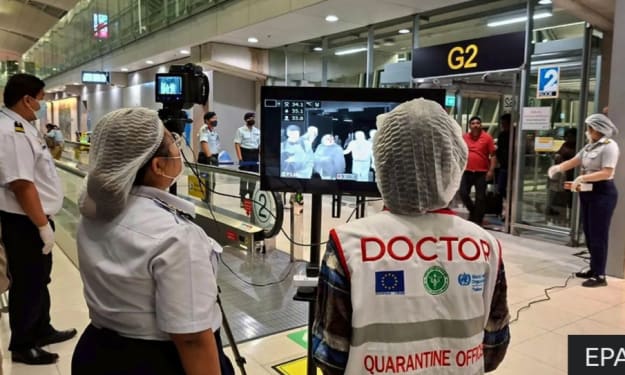
Nipah Virus Outbreak in India Triggers Airport Screenings Across Asia
A Nipah virus outbreak in India has prompted heightened alert levels across Asia, with several countries introducing airport health screenings to prevent the virus from spreading beyond national borders. While officials stress that the situation is under control, memories of COVID-19 have made governments and travelers alike wary of any emerging infectious threat.
By Aarif Lashariabout 22 hours ago in The Swamp
Republican Senators Join Calls for Fuller Investigation Into Minneapolis Killing
In a rare moment of bipartisan alignment, several Republican senators have joined Democrats and civil rights advocates in calling for a fuller investigation into the killing that occurred in Minneapolis, reigniting national conversations around police accountability, justice, and transparency. The incident, which has already sparked public outrage and protests, is now drawing heightened scrutiny from federal lawmakers who argue that unanswered questions remain and that public trust depends on a thorough and independent review.
By Aqib Hussain3 days ago in The Swamp
One Unchecked Box
"Republished" because it was the only way to add the embed for the newly recorded audio version of this story due to the Top Story badge. Plus it serves as a nice, informal announcement of the podcast's revival for another season (go subscribe!):
By Stephen A. Roddewiga day ago in Fiction


Comments
There are no comments for this story
Be the first to respond and start the conversation.