
Visitor Centre at Clynelish Distillery Could Close, Says Diageo
“Diageo reviews future of Clynelish visitor centre amid operational adjustments and economic considerations”
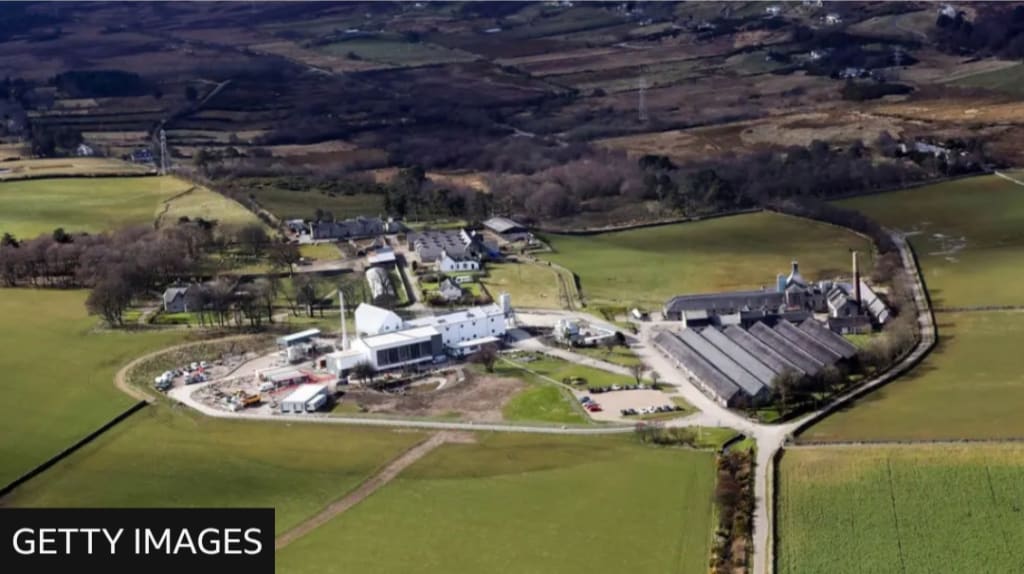
Diageo, one of the world’s largest beverage companies, has announced that the visitor centre at its Clynelish Distillery in Scotland could face closure, sparking concern among whisky enthusiasts, local communities, and tourism stakeholders. The potential closure comes amid cost reviews and operational adjustments within the company, as Diageo evaluates its global portfolio of visitor experiences.
The Clynelish Distillery, located in Brora, Sutherland, is known for its signature single malt whiskies, attracting visitors from across the UK and internationally. For many, the distillery’s visitor centre has been a key destination for whisky tastings, tours, and educational experiences.
What Diageo Said
A Diageo spokesperson confirmed that while no final decision has been made, the company is reviewing its visitor centre operations as part of broader strategic adjustments. “We are evaluating the sustainability and future of our visitor experiences, including Clynelish,” the statement said.
The spokesperson emphasized that all options remain on the table, and the company will consult with local stakeholders before making any formal announcements. Diageo noted that the decision is part of a wider review affecting several distilleries and visitor centres worldwide.
Importance of the Clynelish Visitor Centre
The Clynelish visitor centre plays a vital role in both tourism and whisky culture. It provides:
Guided tours of the distillery, showcasing traditional whisky-making processes
Tasting sessions featuring Clynelish single malts and rare expressions
Educational exhibits on the history of Scottish whisky
Local economic impact, including hospitality jobs and regional tourism revenue
Industry experts note that closure could affect not only whisky tourism but also the broader local economy, particularly in Sutherland, where distillery tourism contributes significantly to employment and visitor spending.
Community Concerns
Local residents and tourism operators have expressed concern over the possible closure. Many fear the loss of:
Jobs at the visitor centre, including guides, tasting room staff, and support roles
Tourism revenue for local hotels, restaurants, and shops
Cultural heritage opportunities, as Clynelish has a long-standing history dating back to the 19th century
A local tourism representative commented, “Clynelish isn’t just a distillery; it’s part of our community identity. Losing the visitor centre would impact both locals and visitors who come to experience Scottish whisky traditions firsthand.”
Industry Context
Diageo operates a number of visitor centres across Scotland and internationally. Recent years have seen shifts in visitor numbers due to global travel trends, economic factors, and changing consumer behavior. The COVID-19 pandemic, for example, temporarily halted tours and tastings, prompting distilleries to rethink visitor experiences.
Analysts say that while Clynelish remains a popular whisky brand, companies are increasingly evaluating the financial sustainability of maintaining physical visitor centres. Digital tours, limited-access tastings, and alternative marketing strategies are being explored as cost-effective alternatives.
Potential Alternatives
While closure is a concern, Diageo may also explore alternative solutions to maintain visitor engagement at Clynelish, such as:
Seasonal openings, reducing operational costs while maintaining accessibility
Smaller, boutique tasting experiences rather than full-scale tours
Virtual experiences, leveraging online platforms to reach international audiences
Partnerships with local tourism operators to share costs and maintain community involvement
These options could balance financial sustainability with preserving whisky tourism and cultural heritage.
Clynelish Distillery’s Legacy
Clynelish has been a cornerstone of Scottish whisky since its establishment in 1819. Known for its complex, coastal-influenced single malts, the distillery has earned acclaim among whisky connoisseurs worldwide.
The visitor centre has been an integral part of sharing that heritage, allowing enthusiasts to experience the distillation process, meet expert staff, and sample exclusive releases. Closure could diminish the accessibility of this cultural and educational experience.
Global Trends in Whisky Tourism
The possible closure of the Clynelish visitor centre reflects broader trends in the global whisky and spirits industry:
Rising operational costs and staffing challenges
Shift toward experiential marketing and premium offerings
Digital engagement replacing some physical visits
Focus on brand experiences rather than extensive physical infrastructure
While digital tools can complement whisky experiences, experts argue that on-site engagement remains irreplaceable, particularly for brand loyalty and international tourism.
Next Steps
Diageo has stated that no final decision will be taken without stakeholder consultation. Visitors, local communities, and industry partners will likely be involved in discussions to explore potential solutions.
Observers note that even if the visitor centre remains operational, adjustments such as reduced hours, ticketing models, or curated experiences may be implemented to ensure sustainability.
Conclusion
The announcement that the Clynelish Distillery visitor centre could close has sent ripples through the whisky community and local tourism industry. While Diageo evaluates its options, stakeholders are calling for careful consideration of both economic and cultural impacts.
Clynelish is more than just a distillery—it represents a piece of Scottish heritage, a hub for tourism, and a source of community pride. The coming months will reveal whether the visitor centre can continue to welcome whisky enthusiasts from around the world or if innovative alternatives will replace the traditional experience.
For now, whisky lovers, local communities, and industry watchers are paying close attention, hoping that Diageo finds a solution that balances financial realities with preserving Scotland’s iconic whisky culture.
About the Creator
Keep reading
More stories from Aarif Lashari and writers in The Swamp and other communities.
Seven Creative Agencies to Watch in 2026
As the marketing and advertising landscape evolves rapidly, creative agencies are continually redefining the boundaries of design, storytelling, and brand strategy. In 2026, several agencies are emerging as key innovators, setting new standards for creativity, technology integration, and client engagement. From AI-driven campaigns to immersive brand experiences, these agencies are shaping the future of creative work.
By Aarif Lashari2 months ago in The Swamp
Parallel Protests
I haven't written for quite some time, but I have A LOT of thoughts about yesterday's protest rally against our government's involvement and complicity in America's war on Iran, on the harbourside of my home city Bristol, and I need to put them somewhere. My gorgeous girlfriend is always a loving and listening ear and sharing it all with her will always be a healthy and happy way of processing the mental and emotional weight, but getting it straight in my brain to share means writing it all down in straight lines, so, here we are and thanks for being here.
By Steph Cole9 days ago in The Swamp
Hottest in the Office
Dear Rafi, You’re very distracting to work around. For the first second I saw you the other day, I thought you were some type of executive. It took a moment to realize no, you were just the new guy, dressed up for the job he wants. Be still, my heart.
By Gabriel Shamesa day ago in Pride




Comments
There are no comments for this story
Be the first to respond and start the conversation.