
US Oil Groups in Line for $63bn Windfall from Gulf War Disruption
Rising tensions in the Gulf push global crude prices higher, delivering massive profits for American energy companies. Geopolitical turmoil threatens shipping routes while boosting revenues for major oil producers. Supply fears from Middle East conflict send oil markets soaring and reshape global energy dynamics. Energy giants in the United States stand to gain as instability shakes the global oil market. Disruptions near the Strait of Hormuz trigger price surge and windfall earnings for oil majors.

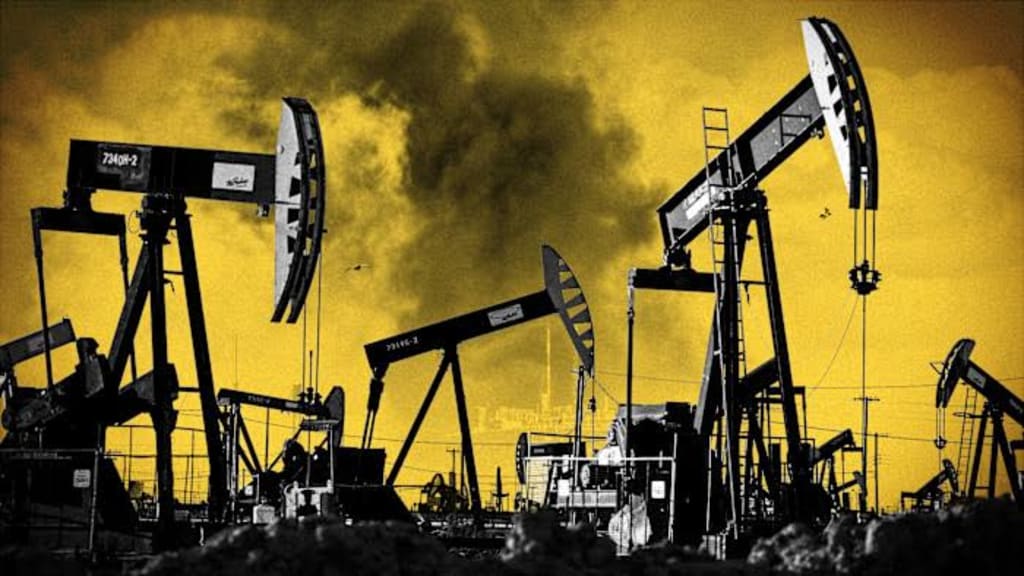
Major American energy companies are positioned to receive an estimated $63 billion windfall as rising tensions and disruptions linked to conflict in the Gulf region drive global oil prices upward. Analysts say the surge highlights how geopolitical instability continues to reshape global energy markets, with producers in the United States emerging among the largest financial beneficiaries.
The latest spike in crude prices follows a series of shipping disruptions and security concerns affecting tanker routes through strategic waterways in the Middle East. The Strait of Hormuz, one of the world’s most critical oil transit chokepoints, has become a focal point of concern for traders and shipping companies. Nearly a fifth of the world’s petroleum supply passes through the narrow corridor each day, making any instability in the region a powerful force in global energy markets.
As tensions escalated across the Gulf, traders reacted quickly by pushing benchmark crude prices higher. Both Brent Crude and West Texas Intermediate futures climbed sharply amid fears that supply disruptions could intensify if the conflict spreads further across the region.
For American producers, the surge presents a significant financial opportunity. Energy firms operating vast shale fields in states such as Texas and North Dakota are able to increase output relatively quickly compared with conventional oil projects. This flexibility allows them to capitalize on price spikes triggered by geopolitical crises.
Among the companies expected to benefit most are industry giants such as ExxonMobil, Chevron, and ConocoPhillips, which collectively represent a large share of the United States’ oil production capacity. Higher global prices translate directly into stronger revenues for these firms, particularly when production costs remain relatively stable.
Energy market analysts estimate that if elevated oil prices persist through the coming year, American oil producers could collectively gain more than $63 billion in additional revenue compared with earlier forecasts. The figure reflects the widening gap between production costs and market prices driven by geopolitical uncertainty.
At the same time, the windfall underscores the growing influence of the United States in global energy markets. Over the past decade, technological advances in hydraulic fracturing and horizontal drilling have transformed the country into one of the world’s leading oil producers. The U.S. Energy Information Administration reports that the United States now produces more crude oil than any other country, significantly reshaping global supply dynamics.
This shift has also changed how geopolitical crises affect energy markets. In previous decades, disruptions in the Middle East often triggered severe supply shortages. Today, increased American production helps offset some of those shocks, although price volatility remains significant.
However, the potential windfall for oil companies also raises concerns among policymakers and consumers. Higher crude prices inevitably translate into increased costs for gasoline, transportation, and industrial production. In the United States and many other countries, drivers have already begun to feel the effects of rising fuel prices at the pump.
Economists warn that sustained increases in energy costs can contribute to broader inflationary pressures. Businesses facing higher transportation and manufacturing expenses often pass those costs along to consumers, potentially affecting everything from food prices to airline tickets.
Environmental groups have also criticized the financial gains enjoyed by oil companies during periods of geopolitical turmoil. Activists argue that windfall profits highlight the need for stronger investment in renewable energy and greater efforts to reduce global dependence on fossil fuels.
Despite those debates, energy executives maintain that oil remains essential to the global economy. Even as renewable energy capacity expands, petroleum continues to power transportation networks, aviation, and much of the world’s industrial infrastructure.
Meanwhile, governments and international organizations are closely monitoring the evolving situation in the Gulf region. Officials from the International Energy Agency have indicated that strategic petroleum reserves could be used if supply disruptions worsen significantly.
Diplomatic efforts are also underway to prevent further escalation of tensions that could threaten key shipping routes. Maintaining the free flow of energy through vital maritime corridors such as the Strait of Hormuz remains a top priority for many governments.
For now, global energy markets remain highly sensitive to developments in the region. Even minor incidents involving tankers or naval forces can send prices swinging sharply as traders assess the risk of broader supply disruptions.
While consumers and policymakers grapple with the economic consequences of rising fuel costs, American oil companies stand poised to capture significant profits from the turmoil. The estimated $63 billion windfall illustrates how geopolitical instability, while damaging in many respects, can create unexpected financial opportunities for energy producers positioned far from the conflict itself.
As the Gulf crisis continues to unfold, the balance between energy security, economic stability, and geopolitical risk will remain a defining challenge for governments and markets alike.
About the Creator
Fiaz Ahmed
I am Fiaz Ahmed. I am a passionate writer. I love covering trending topics and breaking news. With a sharp eye for what’s happening around the world, and crafts timely and engaging stories that keep readers informed and updated.
Keep reading
More stories from Fiaz Ahmed and writers in The Swamp and other communities.
UAE Evacuates 6,000 Emiratis and Companions from Abroad Under Emergency Plans
The United Arab Emirates has successfully evacuated more than 6,000 Emirati citizens and their companions from multiple countries as part of an emergency repatriation operation triggered by escalating regional instability and security concerns. Officials described the operation as one of the largest coordinated evacuation efforts conducted by the Gulf nation in recent years.
By Fiaz Ahmed about 6 hours ago in The Swamp
The Forsyth House Fire
Since 1851, Forsyth House has stood on the corner of Union Street and Gordon Street in the heart of Glasgow. Its iconic, or was... because on Sunday 8th of March, 2026, a fire broke out in a small, seemingly un-named shop in the building and tore all that history down. As I write, the rubble is still unsettled and the street is still blocked off. Central Station is quiet on the upper level, and around 30 small businesses have quite literally gone up in smoke.
By S. A. Crawforda day ago in The Swamp
Why Didn't Anyone Tell Us
Men, move along. This is not for you. This is for the women. I was forty-five when I began menopause. It is pretty young for that to be going on in a woman’s life, but I had undiagnosed PCOS, my entire life. Thank you to all the gynecologists I had seen my entire life. That in itself should encourage women to keep seeking second opinions, especially when you are not getting correct answers or any at all.
By Alexandra Grant4 days ago in Humans




Comments
There are no comments for this story
Be the first to respond and start the conversation.