
US Military Reports Series of Airstrikes Against Islamic State Targets in Syria
Pentagon says operations aim to disrupt ISIS networks and prevent resurgence in eastern Syria

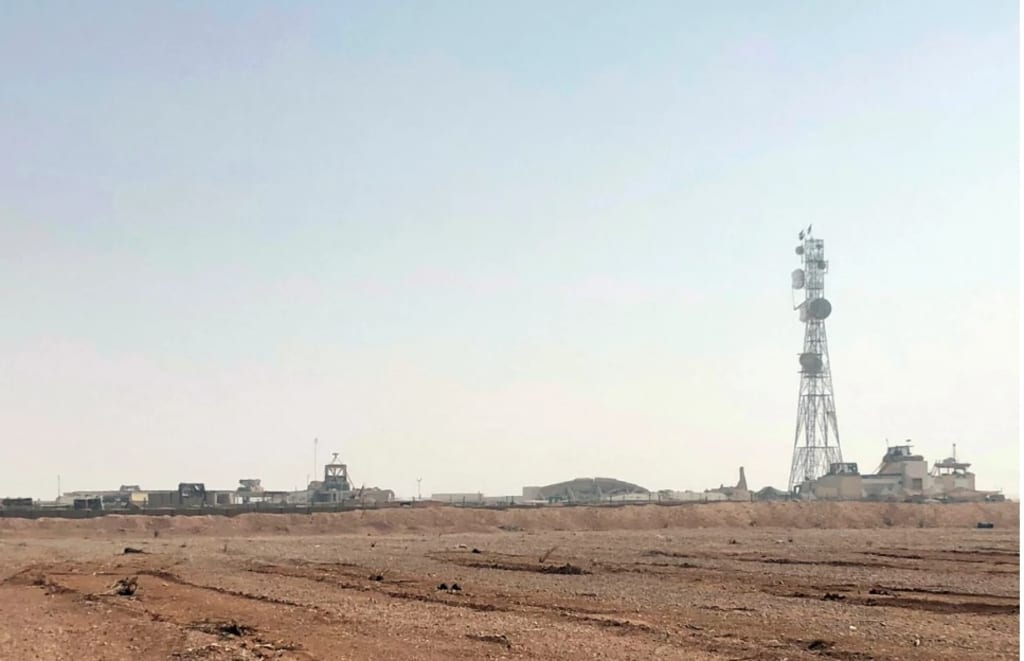
Renewed Air Operations in Eastern Syria
The United States military has confirmed that it carried out a series of airstrikes targeting positions linked to the Islamic State group in Syria. Officials said the strikes were designed to disrupt operational planning, supply routes, and leadership structures associated with the militant organization.
According to the United States Department of Defense, the operations were conducted in areas where remnants of the Islamic State, also known as ISIS, continue to operate. Military leaders described the strikes as part of ongoing efforts to prevent the group from regaining strength in the region.
The announcement highlights the continued U.S. presence in Syria, even years after ISIS lost control of large portions of territory it once held.
Background on the Islamic State in Syria
The group commonly referred to as ISIS rose to international prominence in 2014 after capturing significant territory in both Iraq and Syria. At its peak, it controlled major cities and declared a self-proclaimed caliphate.
A U.S.-led coalition, working alongside local partners such as the Syrian Democratic Forces, carried out extensive operations that led to the territorial defeat of ISIS in 2019. While the group no longer governs territory in the way it once did, officials have consistently warned that it retains the ability to conduct attacks through smaller cells.
The U.S. military says the latest airstrikes were aimed at these remaining cells, which continue to operate in remote desert regions of eastern Syria.
Details of the Recent Airstrikes
Military officials stated that the airstrikes targeted suspected ISIS infrastructure, including storage facilities and gathering points believed to be used for planning attacks. While specific locations were not disclosed for operational security reasons, the strikes reportedly took place in areas known for past ISIS activity.
The Pentagon noted that initial assessments suggest the strikes achieved their intended objectives. However, as is common in such operations, further evaluation is ongoing to determine the full impact.
There was no immediate confirmation regarding casualties. U.S. officials emphasized that efforts were made to minimize civilian harm, in line with established military procedures.
Why the United States Remains in Syria
The presence of U.S. forces in Syria has been a subject of debate in Washington and abroad. Currently, a limited number of American troops remain in the country, primarily focused on counterterrorism missions and support for local partners.
According to defense officials, the goal is to ensure that ISIS does not reestablish safe havens that could threaten regional stability or international security. The United States has argued that even small ISIS cells can pose risks if left unchecked.
The Syrian conflict itself is complex, involving multiple actors including the Syrian government, opposition groups, Kurdish-led forces, regional powers, and international stakeholders. Within this environment, counterterrorism operations continue as part of a broader security effort.
Pentagon Statement on the Operation
In its official communication, the United States Department of Defense described the strikes as a demonstration of continued commitment to counterterrorism in the region.
Officials stated that the United States will act when credible intelligence indicates an imminent threat from ISIS elements. They stressed that the operations were carefully planned and coordinated to reduce unintended consequences.
Military leaders also reaffirmed cooperation with local forces on the ground. The Syrian Democratic Forces, which played a major role in the fight against ISIS, continue to work with U.S. advisors in monitoring extremist activity.
Regional and International Reactions
News of the airstrikes drew attention from regional observers and international partners. Some governments expressed support for continued efforts to prevent ISIS from regrouping. Others reiterated concerns about long-term foreign military involvement in Syria.
The Syrian government has historically criticized U.S. military presence in the country, describing it as unauthorized. Meanwhile, American officials maintain that operations are focused specifically on counterterrorism objectives.
Security analysts note that ISIS has adapted its tactics in recent years. Instead of holding territory, the group now relies on ambushes, roadside bombs, and targeted attacks in rural areas.
Civilian Protection and Rules of Engagement
One of the key concerns surrounding airstrikes is the potential impact on civilians. The U.S. military states that it follows strict procedures before launching strikes, including intelligence review and legal assessment.
Officials say that protecting civilian lives is a priority. Precision-guided munitions and surveillance tools are often used to reduce the risk of unintended casualties.
Human rights organizations frequently monitor such operations and call for transparency in reporting. The Pentagon has said it investigates credible reports of civilian harm and publicly shares findings when possible.
The Ongoing Threat of ISIS
Although ISIS no longer controls large cities like it once did, experts warn that the group remains active. Cells in Syria and Iraq continue to carry out attacks, particularly in remote desert regions.
The group also maintains an online presence, using digital platforms to recruit and spread propaganda. Counterterrorism officials argue that sustained pressure is necessary to limit both physical and virtual operations.
The latest airstrikes, according to U.S. officials, were intended to disrupt immediate threats and reduce the group’s ability to organize future attacks.
Debate Over Long-Term Strategy
The continuation of U.S. military operations in Syria raises broader questions about long-term strategy. Some lawmakers argue that the mission is essential to prevent another rise of ISIS. Others question how long American forces should remain engaged.
Supporters of the mission point to past events, noting that ISIS expanded rapidly during periods of instability. They argue that maintaining a limited counterterrorism presence helps prevent similar outcomes.
Critics, however, emphasize the need for clear objectives and timelines. They call for regular review of the mission’s goals and its impact on U.S. foreign policy.
Cooperation With Local Forces
Local partnerships remain central to the U.S. approach. The Syrian Democratic Forces have been key allies in tracking and targeting ISIS remnants. Joint patrols, intelligence sharing, and coordinated planning are common aspects of this cooperation.
American officials state that empowering local partners reduces the need for large-scale foreign troop deployments. Training and logistical support are intended to strengthen regional capacity to handle security threats independently over time.
This model reflects lessons learned from earlier phases of the conflict, where local forces played a decisive role in recapturing territory from ISIS.
Broader Middle East Security Context
The situation in Syria is closely tied to broader developments in the Middle East. Tensions among regional actors, economic challenges, and unresolved political disputes all contribute to an unstable environment.
Security experts caution that extremist groups often exploit instability. In areas where governance is weak and economic opportunities are limited, recruitment efforts may find more traction.
The United States and its allies have emphasized that counterterrorism efforts must be paired with broader political and economic strategies to ensure lasting stability.
Looking Ahead
The recent airstrikes underscore that ISIS remains a focus of U.S. military operations in Syria. While the group’s capacity is significantly reduced compared to its peak, officials stress that vigilance is necessary.
Defense leaders have not indicated any major change in troop levels or mission scope following the strikes. Instead, they describe the operation as part of routine counterterrorism activity.
As developments continue, the situation will likely remain under close observation by policymakers, regional governments, and international organizations.
Conclusion
The series of U.S. airstrikes against Islamic State targets in Syria reflects ongoing efforts to prevent the group from regaining strength. According to the United States Department of Defense, the operation aimed to disrupt planning and limit the ability of ISIS cells to carry out attacks.
While the territorial caliphate declared by ISIS no longer exists, the group continues to operate in smaller units. U.S. officials argue that sustained counterterrorism operations are necessary to maintain security gains made in recent years.
The future of U.S. involvement in Syria remains a topic of discussion, but for now, the focus remains on monitoring threats and responding when intelligence indicates risk. As regional dynamics evolve, so too will the approach to ensuring stability and countering extremist activity.
About the Creator
Saad
I’m Saad. I’m a passionate writer who loves exploring trending news topics, sharing insights, and keeping readers updated on what’s happening around the world.
Why Black History Matters in America?
The United States of America is celebrating their 250th anniversary in 2026. I'm proud to be an American and as someone who was born here, I wouldn't imagine myself living anywhere else. This is a country where opportunities are possible. Where anyone can be successful in anything they desire to do. Equality, community, and togetherness are the backbones of what America is and should be about. However, we have an administration who wants to erase and disregard those who have made positive, meaningful impacts in our country, specifically Black figures, such as Martin Luther King, Jr., Rosa Parks, and Maya Angelou. President Trump and his administration have been constantly complaining and fighting against what they call the "Woke agenda". They use this excuse as a distraction from other issues they refuse to address, such as the high cost of living, climate change, and inflation. That equality is dividing America, when in reality, it's bringing us together. Being woke is not tied to a specific political party. No matter where you stand on the political spectrum, you can still care about other people and their plights. Compassion and empathy for others isn't tied to a political party, either. We were taught as children to treat others the way we want to be treated and not judge others because they're different from us. Caring about others isn't a personal attack on your beliefs. It doesn't make you any less of a person. People who are easily offended over African American figures, past or present, or anything related to it, are grasping at straws. Current and future generations need to know who people like Harriet Tubman and Shirley Chisholm were, especially in the classroom. Black History is part of American History. It should be recognized, not hidden or forgotten. Besides, you can't shield children from everything, just because your feelings are easily hurt.
By Mark Wesley Pritchard 13 days ago in The Swamp
US House Passes Bill to End Canada Tariffs: A Break from Trump’s Trade Policies
In a significant move signaling a break from former President Donald Trump's trade policies, the US House of Representatives has passed a bill that aims to end the tariffs imposed on Canadian goods. This decision marks a pivotal moment in the trade relationship between the United States and Canada, two of the world's largest trading partners. The bill passed with bipartisan support and represents a significant shift in how the US approaches international trade, especially with its closest neighbor.
By Aqib Hussain3 days ago in The Swamp
The Pride Flag and the Diversion
For nearly a decade, the LGBTQIA Pride Flag rippled in the wind at Christopher Park, a kaleidoscope of color staked into the soil of America’s first national monument to LGBTQIA+ liberation. That flag came down this week. Federal officials, citing new guidance from the Trump Administration, silently lowered the rainbow flag from its pole across the street from the Stonewall Inn. The birthplace of the modern gay rights movement now flies only the United States flag.
By Tim Carmichael4 days ago in Pride



Comments
There are no comments for this story
Be the first to respond and start the conversation.