
US–Iran Standoff: Can Diplomacy Prevail?
A Tale of Tension, Hope, and the Relentless Pursuit of Peace

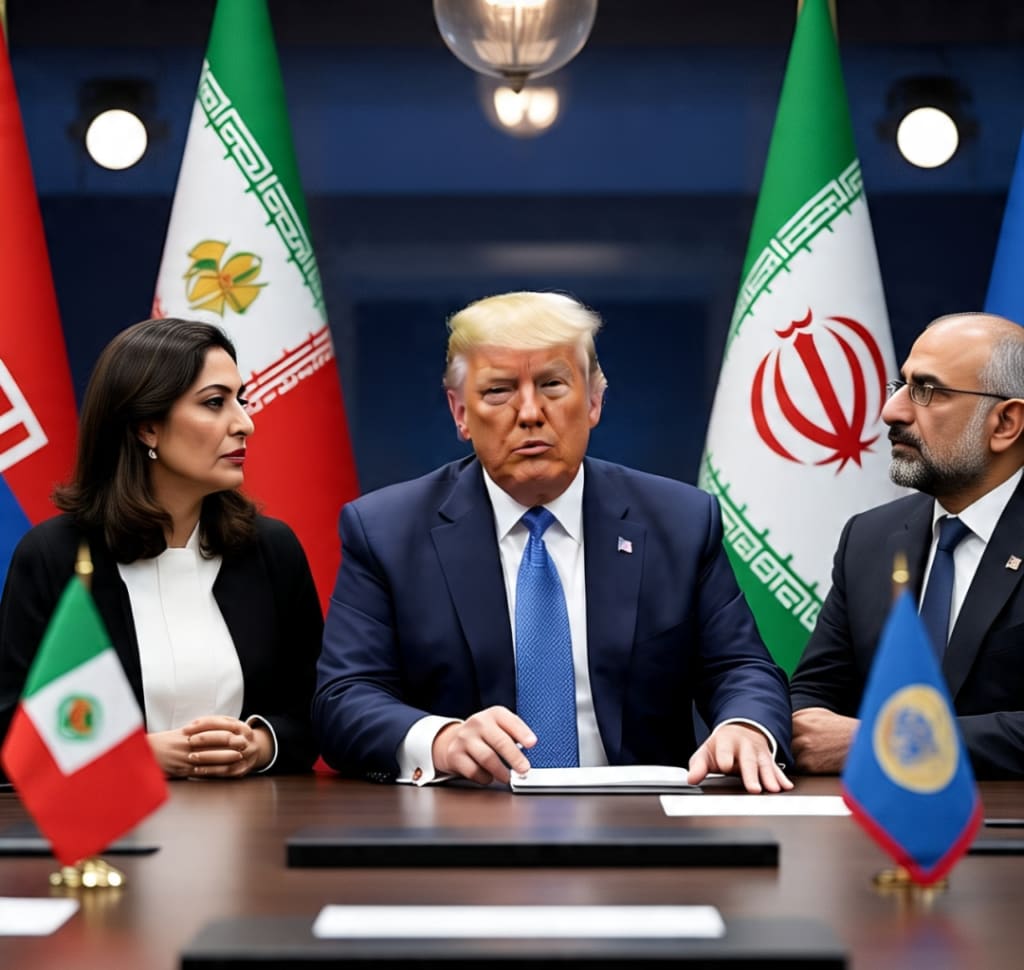
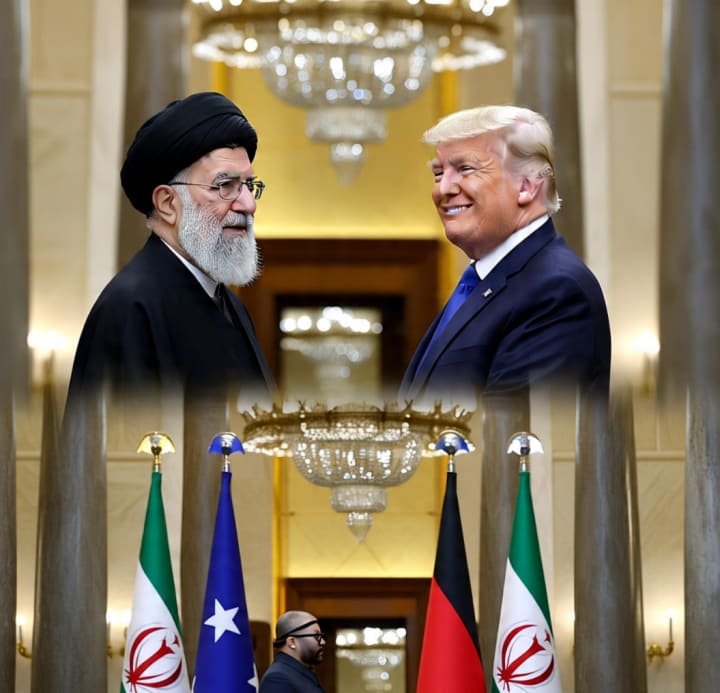
The smell of fresh bread lingered in the Tehran air as Roya stepped out of the bakery, her young son tugging on her scarf and asking if America was going to bomb them. She paused, unsure of how to answer. Thousands of miles away in Washington D.C., Daniel, a U.S. Navy veteran, sipped his coffee as he read headlines warning of a possible escalation in the Persian Gulf. He shook his head and muttered, “Not again.”
Two lives. Two nations. One question: Can diplomacy really stop war?
A History Written in Friction
To understand how we got here, you need to go back — way back. Since the 1979 Iranian Revolution and the U.S. embassy hostage crisis, Washington and Tehran have existed in a kind of cold, bitter twilight. Over the decades, the tension has flared — nuclear programs, sanctions, drone strikes, proxy wars — and just when peace seems close, it slips away like sand through fingers.
But this isn’t just a political soap opera. It’s real. Real people. Real consequences.
When the U.S. pulled out of the Iran nuclear deal (JCPOA) in 2018, hope turned into heartbreak. Iran resumed enriching uranium. The U.S. imposed crushing sanctions. Ordinary Iranians like Roya faced medicine shortages, inflation, and isolation. Meanwhile, Americans like Daniel watched their government pour billions into defense budgets, while bridges collapsed and schools crumbled back home.
The Art of Listening — Or the Lack of It
Diplomacy isn’t sexy. It’s not dramatic like missile launches or bold tweets. It’s quiet, slow, and patient — and in today's 24/7 headline-driven world, patience is a dying virtue.
In 2020, the world held its breath when a U.S. drone strike killed Iran’s top general, Qassem Soleimani. Iran responded with missile strikes. For a few terrifying days, the possibility of war loomed large. And then… silence. The storm passed. But it left behind bruises on both sides.
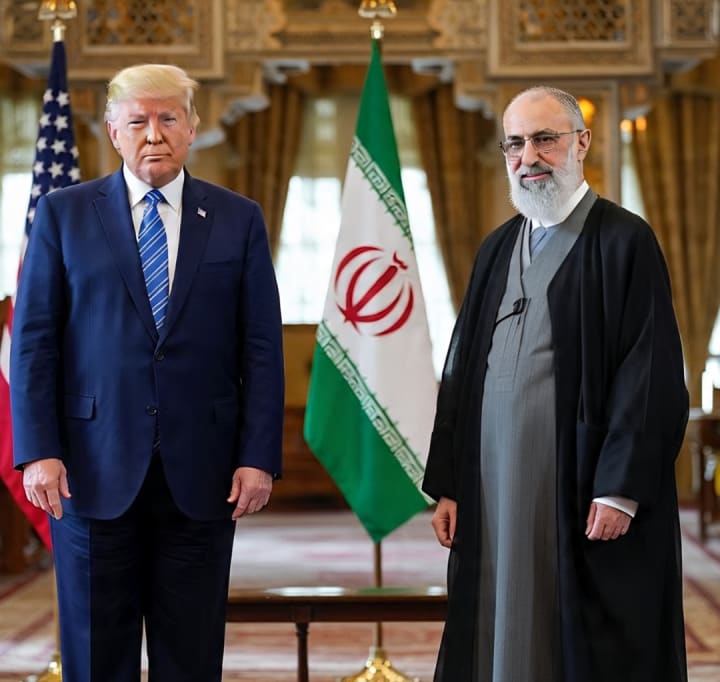
Here's the thing: every time diplomacy takes a back seat, the people suffer. Sanctions don’t squeeze governments; they squeeze citizens. Missiles don’t always kill combatants; they kill kids in marketplaces and families in their sleep.
And through it all, most Americans and Iranians just want to live their lives in peace.
Common Ground in an Uncommon World
Roya teaches English at a school in Isfahan. Her favorite book? To Kill a Mockingbird. She dreams of visiting the U.S. one day, just to see what it’s like beyond the headlines.
Daniel works as a community organizer in Detroit, helping veterans find jobs and mental health care. His favorite band? An Iranian-American fusion group he found on Spotify.
These aren’t enemies. They’re reflections. Proof that beneath the flags and rhetoric, we’re far more alike than different.
When diplomats sit down at the table, it’s not about who wins. It’s about who listens. What if we approached diplomacy like we approach relationships — with empathy, curiosity, and a little humility?
Barriers to Peace: Pride and Politics
So, why is diplomacy so hard?
One word: pride.
Both nations carry decades of resentment and bruised egos. Iran sees itself as a proud civilization disrespected by Western powers. The U.S. views Iran as a destabilizing force in the Middle East. And both governments play to their domestic audiences, often preferring short-term political gains over long-term peace.
But here's the truth: war is easy. Peace is hard. War is loud. Peace is silent. War gets votes. Peace takes courage.
Yet history tells us diplomacy can work. The 2015 nuclear deal wasn’t perfect, but it was a start — a step toward trust. When it collapsed, so did that trust.
The New Generation: Tired of Tension
Today’s younger generations in both countries are growing up digitally connected and globally aware. Iranian youth are protesting for freedom. American youth are tired of endless wars.
There’s a hunger for something different.
In 2023, small backchannel talks began again. Not flashy. Not front-page. But real. Progress, however slow, was being made.
That’s the thing about diplomacy: you don’t always see it working — until one day, a deal is signed, a missile is dismantled, a life is saved.
What We Can Learn
This isn’t just about foreign policy. It’s about us.
Whether it’s two countries or two people, the question remains the same: Can we choose understanding over ego? Can we talk instead of fight?
The U.S.–Iran standoff is a mirror. It reflects our choices, our fears, and our hopes. And while governments play chess, it’s the people who pay the price — or reap the rewards — of those moves.
Roya just wants her son to grow up without fear. Daniel wants to see a world where his service helped bring peace, not more war.
And maybe — just maybe — if we demand more from our leaders, if we reward peace as much as power, if we tell better stories than the ones built on fear — diplomacy might just prevail.
Final Thought: The Moral of the Story
Diplomacy isn’t weakness. It’s wisdom.
It takes strength to wage war. But it takes even greater strength to prevent one.
We must remember that behind every policy, every strike, every negotiation, are human lives. Lives with dreams, pain, and purpose. The US–Iran standoff isn’t just a geopolitical dilemma. It’s a test of our shared humanity.
Can diplomacy prevail?
Yes — if we dare to believe it can. And if we each play our part in speaking up for dialogue over destruction, and hope over hate.
About the Creator
From Dust to Stars
From struggle to starlight — I write for the soul.
Through words, I trace the quiet power of growth, healing, and becoming.
Here you'll find reflections that rise from the dust — raw, honest, and full of light.
Keep reading
More stories from From Dust to Stars and writers in The Swamp and other communities.
From Big Bang to Billions
From Big Bang to Billions There was a moment—one singular, deafening moment—when everything collapsed. For Arjun Mehta, that moment came in a dimly lit one-bedroom apartment in New Jersey, with eviction papers taped to the front door, $32 in his bank account, and a silence so heavy it made the walls feel like they were closing in.
By From Dust to Stars9 months ago in Motivation
The Forsyth House Fire
Since 1851, Forsyth House has stood on the corner of Union Street and Gordon Street in the heart of Glasgow. Its iconic, or was... because on Sunday 8th of March, 2026, a fire broke out in a small, seemingly un-named shop in the building and tore all that history down. As I write, the rubble is still unsettled and the street is still blocked off. Central Station is quiet on the upper level, and around 30 small businesses have quite literally gone up in smoke.
By S. A. Crawford2 days ago in The Swamp
Indian warships on standby near Persian Gulf for merchant vessels
Indian Warships on Standby Near Persian Gulf for Merchant Vessels New Delhi deploys naval assets as tensions rise in West Asia, ensuring safe passage for maritime trade Several Indian Navy warships have been deployed near the Persian Gulf and Strait of Hormuz, remaining on standby to assist merchant vessels — especially those bound for India — amid the ongoing war in West Asia that has disrupted commercial sea lanes and heightened regional security risks. The deployment reflects New Delhi’s growing efforts to safeguard its maritime trade routes and protect Indian seafarers during a period of escalating conflict. Why Indian Warships Are in the Region With the Middle East at the centre of a widening conflict involving Iran, the United States, and Israel, strategic chokepoints like the Strait of Hormuz — through which a significant share of global oil and liquefied gas supplies transit — have become areas of intense diplomatic and military focus. In this environment, Indian authorities have kept naval vessels near the Gulf to support and monitor merchant ships navigating these waters. Officials said the warships are being kept on standby to assist merchant vessels coming towards India, responding to potential calls for help, providing situational awareness, and reassuring India‑bound cargo owners and crews amid heightened risks. This naval presence is part of Operation Sankalp, a longer‑running mission under which Indian warships have patrolled the Gulf of Oman and Gulf of Aden — and now the wider Persian Gulf region — to ensure maritime safety and respond to potential threats or emergencies affecting commercial shipping. Safe Passage Through the Strait of Hormuz Despite tensions, several Indian‑flagged vessels have made headway. Two Indian LPG carriers, Shivalik and Nanda Devi, have been granted passage through the Strait of Hormuz and are en route to Indian ports, carrying critical energy supplies. These successful transits underscore the importance of safe shipping corridors for India’s economic interests. However, many other India‑flagged vessels remain in the region, with the government actively negotiating and coordinating with regional partners to secure safe movement and, if necessary, naval support or escorts. Recent diplomatic engagements reflect India’s effort to coordinate with Iran, Gulf Cooperation Council states, and Western powers to keep trade routes open. Protecting Indian Seafarers and Commerce The maritime deployment also responds to growing concerns for the safety of Indian seafarers working aboard ships in the Persian Gulf. According to a Reuters report, thousands of Indian sailors are currently in the region, with some stranded and caught between the escalation of hostilities and restrictions on commercial travel and shipping. These crews face increased anxiety as airspace and waters remain tense. India has been clear that the naval presence is aimed at ensuring the safe passage of merchant vessels, providing operational support if needed, and maintaining vigilance in a highly volatile maritime environment — not to contribute to combat. The Indian Navy regularly conducts patrols, surveillance and escort missions to deter threats and monitor hazardous situations. Strategic Importance of the Deployment The Strait of Hormuz remains one of the world’s most critical maritime chokepoints, accounting for a large portion of oil and gas transit worldwide. Disruption here affects global energy markets and economic stability, making international attention to naval deployments all the more significant. India, heavily dependent on imports for energy and trade, has a vested interest in keeping these routes secure. Deploying warships in such locations also serves as a deterrent to potential threats — from state actors to non‑state groups — that might target commercial vessels or disrupt shipping in response to regional tensions. The presence of naval assets aims to reassure both Indian and international shipping operators that maritime safety remains a priority. Naval Cooperation and Regional Dynamics India’s naval deployments complement diplomatic efforts to maintain open seas and safe navigation. In recent weeks, New Delhi has communicated with key stakeholders to facilitate safe passage and protect Indian nationals and seafarers. This includes regular contact with Gulf nations, Iran, and allied countries seeking to reduce maritime risks amid broader geopolitical challenges. Furthermore, Indian warships have been involved in maritime security operations elsewhere in the region for years, including anti‑piracy missions in the Gulf of Aden and Arabian Sea. These longstanding efforts bolster India’s ability to respond effectively to evolving security needs in the Gulf. What Comes Next As the West Asia conflict continues, India’s maritime posture is expected to adapt, balancing diplomacy, commercial interests and security imperatives. Authorities have stressed that naval forces will remain vigilant while working through diplomatic channels to ensure Indian and allied vessels can traverse critical sea lanes without undue risk. In a time of heightened tension, India’s naval presence near the Persian Gulf signals both a commitment to maritime security and a proactive stance in safeguarding its economic and strategic interests. Continued monitoring and cooperation with international partners will be essential as the situation evolves.
By Fiaz Ahmed about 12 hours ago in The Swamp


Comments
There are no comments for this story
Be the first to respond and start the conversation.