
US and Japan Reach Trade Deal with 15% Tariffs on Imports
Historic Accord Eases Trade Tensions with 15% Tariffs, Unlocks $550 Billion Investment Between U.S. and Japan


Since “Liberation Day,” the Trump administration has pursued hefty “reciprocal” tariffs on major trade partners — including Japan — citing U.S. trade imbalances. Japan faced threats of up to 35% on select goods, with a looming 25% tariff on vehicles and autos if no agreement was reached by August 1.
Anatomy of the New Deal
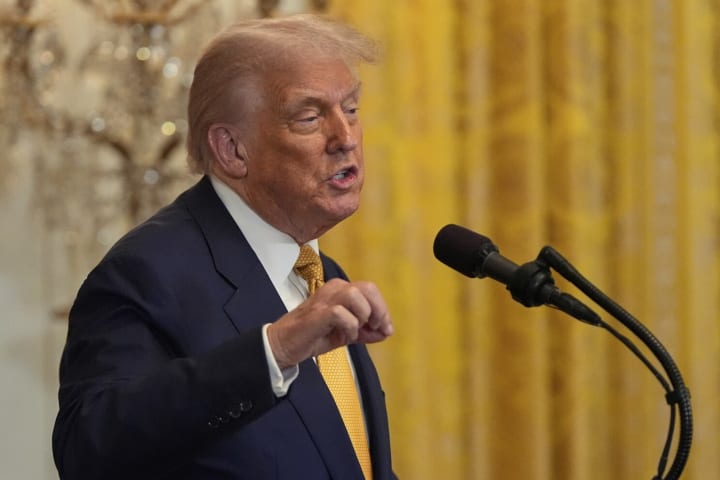
A breakthrough came with a mutual agreement: Japan accepts a 15% tariff on its exports to the U.S., down from the initially threatened 25%. In exchange, Japan commits to opening its markets — covering cars, trucks, rice, and other agricultural categories — and pledges a historic $550 billion investment in the U.S., with Americans receiving 90% of the profits.
Reactions From Both Sides
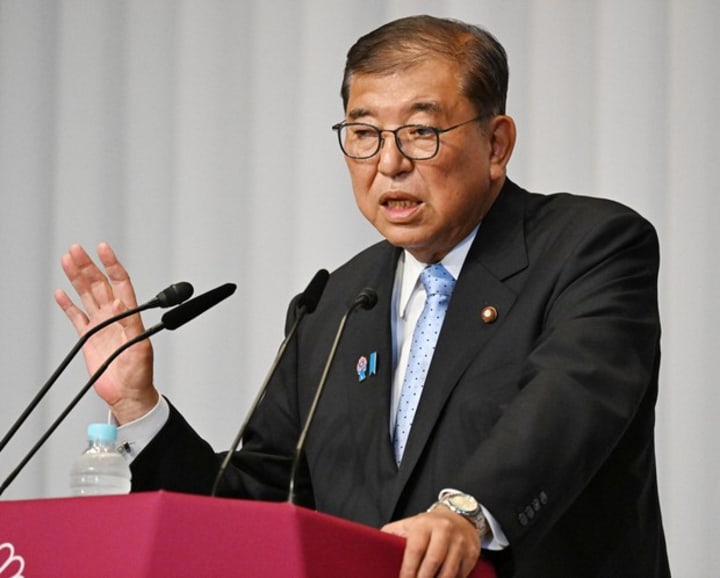
Japanese PM Shigeru Ishiba emphasized the need to review deal details and protect national interests, while his political stability remains delicate in the wake of impending elections. Industry leaders praised the solution, calling it a milestone that offers clarity for exporters and manufacturing stakeholders. Markets responded positively: Nissan, Toyota, and other stocks saw a boost thanks to the tariff reduction.
Strategic & Diplomatic Implications
Analysts describe the pact as a reset in an already strained U.S.-Japan alliance, highlighting the transactional tone of this era’s trade diplomacy. Yet both countries signal continued cooperation in areas like defense, countering North Korea, and handling China’s influence — suggesting that the alliance’s core remains intact.
What Comes Next?
Negotiations remain active. Japan’s chief tariff negotiator, Ryosei Akazawa, is set to continue high-level discussions in Washington ahead of other tariffs taking effect in early August. This deal may also mark the beginning of a broader global pattern, as smaller countries face similar 15–20% tariffs amidst focused bilateral agreements.
Frequently Asked Questions (FAQs)
What exactly did the deal set tariffs at?
- A mutual agreement set 15% tariffs on Japanese imports, easing the previous threat of a 25% levy on autos and other goods.
What does Japan get in return?
- Japan agreed to expand market access on cars, trucks, rice, and other agricultural exports, alongside a massive $550B investment into U.S. industries.
Does this affect steel and aluminium tariffs?
- No. U.S. tariffs on Japanese steel and aluminum — some at 25%, 50% for certain categories — remain unchanged.
Will this improve U.S.-Japan relations?
- While the deal reduces some tensions, analysts caution it reflects a pragmatic realignment in an alliance tested by transactional diplomacy.
How will U.S. consumers be affected?
- Higher import tariffs might raise prices for goods like cars and rice, though part of the deal aims to offset effects via domestic investments and job creation.
What’s next in the timeline?
- More negotiations are anticipated in the coming weeks. If no further agreements are struck by early August, additional tariffs could kick in under Trump’s broader trade strategy.
Conclusion
The US‑Japan trade deal underscores an evolving global trade landscape — balancing protectionist measures with major investment pledges. The 15% tariff achieves a compromise, easing market tensions for both nations. With broad implications for economies and alliances, this deal stands as a pivotal landmark in international trade for the year — and a blueprint for future agreements.
Related news on this deal
- Japan tariff negotiator Akazawa to hold more trade talks in US next week
- Japan faces an era-defining reset with the US
- U.S. allies find that ‘nice kitty’ doesn’t keep Trump from biting
Sources
Reuters
- Trump says trade deal struck with Japan includes 15% tariff
- Japan tariff negotiator Akazawa to hold more trade talks in US next week
- Market reaction to U.S.-Japan trade deal
The Guardian
CBS News
About the Creator
Kageno Hoshino
Mistakes are not shackles that halt one from stepping forward. Rather, they are that which sustain and grow one's heart.
Keep reading
More stories from Kageno Hoshino and writers in The Swamp and other communities.
New Israeli mRNA Jab Developed Against Antibiotic-Resistant Bacterium, Offering Hope for Medical Advancements
Antibiotic resistance has escalated into one of the gravest health emergencies of the 21st century. The World Health Organization (WHO) warns that by 2050, drug-resistant infections could claim 10 million lives annually. Superbugs, once treatable with common antibiotics, now outsmart our best defenses, rendering even routine surgeries perilous. The urgency for innovative solutions has never been greater.
By Kageno Hoshino8 months ago in The Swamp
The Forsyth House Fire
Since 1851, Forsyth House has stood on the corner of Union Street and Gordon Street in the heart of Glasgow. Its iconic, or was... because on Sunday 8th of March, 2026, a fire broke out in a small, seemingly un-named shop in the building and tore all that history down. As I write, the rubble is still unsettled and the street is still blocked off. Central Station is quiet on the upper level, and around 30 small businesses have quite literally gone up in smoke.
By S. A. Crawford3 days ago in The Swamp
EPA and Trump Administration move to weaken air pollution limits on cancer causing chemical many Black and Brown people have been exposed to
First of all, there should be no EPA. It is a cancer that plagues the governmental system. It feeds on the citizens and ironically makes people less safe. For the Trump administration to lessen m ethylene oxide limits is a step in the right direction.
By Skyler Saunders2 days ago in The Swamp



Comments
There are no comments for this story
Be the first to respond and start the conversation.