
US and Iran Talks: A Critical Step to Prevent Direct Conflict
As Tensions Escalate, Diplomatic Dialogue Emerges as a Potential Path to Peace
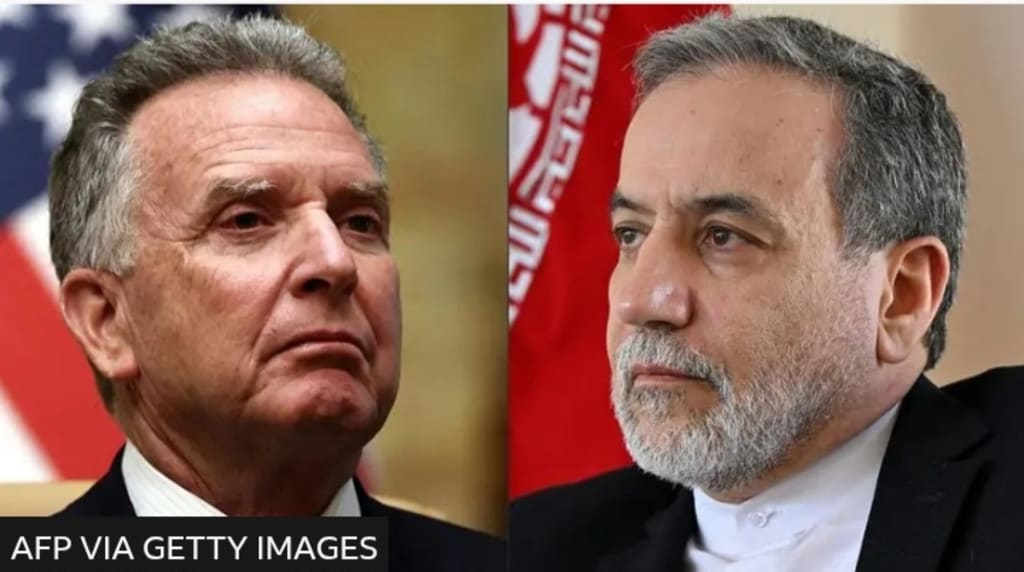
The world’s attention has once again shifted towards the ongoing tension between the United States and Iran, with the two nations set to engage in crucial diplomatic talks aimed at averting the looming threat of direct conflict. This new development comes at a time when the geopolitical landscape in the Middle East is fraught with escalating tensions, military posturing, and deep-rooted animosity between the two countries. As fears of an all-out war intensify, there is a growing realization that dialogue may be the only feasible solution to prevent a catastrophic confrontation.
The Context of Escalating Tensions
For nearly half a century, the relationship between the US and Iran has been marked by deep distrust, ideological clashes, and, at times, violent confrontations. From the 1979 Iranian revolution and the subsequent hostage crisis to the imposition of heavy sanctions, the two nations have never fully reconciled their differences. However, the situation took a drastic turn in recent years, particularly after the US withdrew from the Joint Comprehensive Plan of Action (JCPOA) in 2018, a historic nuclear deal that aimed to limit Iran's nuclear program in exchange for sanctions relief.
Since then, tensions have been rising steadily, with both countries engaging in military and proxy conflicts throughout the region. Iran’s support for militant groups in Syria, Iraq, and Yemen, coupled with the US’s presence in the region, has further strained relations. In addition, the assassination of Iranian General Qasem Soleimani by a US drone strike in January 2020 brought the two nations to the brink of war. Despite the occasional diplomatic attempts to ease tensions, the fundamental issues remain unresolved, making it unclear how talks will truly unfold.
The Role of Diplomacy in Easing the Crisis
Given the volatile nature of US-Iran relations, the notion of direct talks has long been met with skepticism. However, as the possibility of an open military conflict becomes increasingly real, there is a growing consensus among international leaders, analysts, and policymakers that dialogue could offer the best hope for de-escalation.
The newly announced talks aim to address a range of issues, including Iran’s nuclear ambitions, its regional influence, and the future of sanctions. While the specifics of the discussions remain unclear, both sides have indicated a willingness to engage in negotiations, albeit with significant caveats. For the US, the primary concern revolves around Iran’s nuclear program and the potential for it to develop nuclear weapons, which Washington views as a grave threat to regional stability and international security. For Iran, the removal of crippling sanctions and the restoration of its economic and political standing are at the forefront of its demands.
While both sides have voiced their willingness to talk, the question remains whether they can overcome the deep-rooted mistrust that has shaped their relationship for decades. Diplomats and analysts have pointed out that these talks must go beyond mere rhetoric and focus on tangible, actionable outcomes. The talks should not only seek to de-escalate military tensions but also address broader issues like regional security, arms control, and Iran’s role in global diplomacy.
The International Stakeholders
The US-Iran conflict does not exist in a vacuum, and the outcome of these talks will have far-reaching implications for the wider international community. Countries such as Russia, China, and the European Union have a vested interest in the success of any negotiations, as the consequences of a breakdown in talks could lead to destabilization across the Middle East, with ripple effects felt around the globe.
Russia and China, both of which are permanent members of the UN Security Council, have been vocal in their support for diplomatic engagement with Iran. Both nations have maintained strong relations with Tehran and have been critical of the US's "maximum pressure" strategy, which they argue has only exacerbated tensions. The European Union, having been an integral player in the original JCPOA, also seeks to play a pivotal role in facilitating the talks and ensuring that any agreements made are upheld.
The role of the United Nations (UN) cannot be overstated either. As the global body responsible for maintaining peace and security, the UN has called for restraint on both sides, urging the US and Iran to avoid provocative actions that could lead to war. The involvement of the international community will be crucial in ensuring that any potential agreement is not just a temporary truce, but a lasting solution that addresses the underlying issues driving the conflict.
The Risks of Failure
Despite the positive step of resuming talks, the risks of failure loom large. The challenges involved in these negotiations are immense, with each side having deeply entrenched positions on key issues. For example, the US continues to demand that Iran limit its nuclear activities and cease its involvement in regional conflicts, while Iran insists on the removal of sanctions and the recognition of its right to pursue peaceful nuclear technology.
If these talks falter, the consequences could be dire. There is a real fear that the tensions between the two nations could spiral into direct military confrontation. With both the US and Iran possessing formidable military capabilities, the impact of an open war would not only devastate the Middle East but could also lead to broader regional instability, drawing in other nations and potentially igniting a global conflict.
Furthermore, any failure to reach an agreement could have catastrophic implications for the people of Iran, who are already grappling with the effects of severe economic sanctions. For the US, the political fallout from failing to secure a peaceful resolution could lead to a loss of credibility on the world stage and further isolation.
Looking Ahead: The Path to Peace
While the challenges of negotiating a lasting peace between the US and Iran are considerable, the beginning of talks marks a hopeful moment in what has been an otherwise grim diplomatic standoff. Both sides must approach these discussions with a commitment to compromise and a recognition of the need for mutual respect and understanding. The fate of the Middle East, and potentially the world, may hinge on the success or failure of these talks.
The road ahead will be long, and the process of building trust between Washington and Tehran will be anything but easy. However, in the face of growing tensions and the very real threat of war, diplomatic engagement offers the only viable path to peace. Whether or not this latest round of talks leads to a lasting resolution remains to be seen, but the fact that both sides are willing to sit down and engage in dialogue is, at the very least, a glimmer of hope in an otherwise dark and dangerous time.
Conclusion: As talks between the US and Iran begin, the world holds its breath. Diplomatic dialogue remains the best hope for avoiding a direct conflict, and the success of these discussions will depend on the willingness of both sides to compromise and address the underlying issues at the heart of their long-standing rivalry.
About the Creator
Keep reading
More stories from Ayesha Lashari and writers in The Swamp and other communities.
Retreat to the Red Sea and Relax: Your Ultimate Escape to Tranquility
If you’re craving a vacation that balances adventure with serenity, the Red Sea should be at the top of your list. Stretching over 2,300 kilometers and bordered by Egypt, Sudan, and Saudi Arabia, the Red Sea offers crystal-clear waters, vibrant marine life, and untouched coastal beauty. Unlike crowded tourist destinations, it presents a unique blend of relaxation, luxury, and exploration. Whether you’re seeking an adrenaline rush or a peaceful escape from daily life, the Red Sea has it all.
By Ayesha Lashari3 days ago in The Swamp
Why Black History Matters in America?
The United States of America is celebrating their 250th anniversary in 2026. I'm proud to be an American and as someone who was born here, I wouldn't imagine myself living anywhere else. This is a country where opportunities are possible. Where anyone can be successful in anything they desire to do. Equality, community, and togetherness are the backbones of what America is and should be about. However, we have an administration who wants to erase and disregard those who have made positive, meaningful impacts in our country, specifically Black figures, such as Martin Luther King, Jr., Rosa Parks, and Maya Angelou. President Trump and his administration have been constantly complaining and fighting against what they call the "Woke agenda". They use this excuse as a distraction from other issues they refuse to address, such as the high cost of living, climate change, and inflation. That equality is dividing America, when in reality, it's bringing us together. Being woke is not tied to a specific political party. No matter where you stand on the political spectrum, you can still care about other people and their plights. Compassion and empathy for others isn't tied to a political party, either. We were taught as children to treat others the way we want to be treated and not judge others because they're different from us. Caring about others isn't a personal attack on your beliefs. It doesn't make you any less of a person. People who are easily offended over African American figures, past or present, or anything related to it, are grasping at straws. Current and future generations need to know who people like Harriet Tubman and Shirley Chisholm were, especially in the classroom. Black History is part of American History. It should be recognized, not hidden or forgotten. Besides, you can't shield children from everything, just because your feelings are easily hurt.
By Mark Wesley Pritchard 7 days ago in The Swamp
Son of Libya’s Late Dictator Gadhafi Shot Dead by Gunmen, Political Team Says
The son of Libya’s former ruler Muammar Gadhafi has been shot dead by unidentified gunmen, according to a statement released by his political team, marking a dramatic and unsettling development in the country’s fragile political landscape. The killing has reignited fears over Libya’s ongoing instability more than a decade after the collapse of the Gadhafi regime.
By Fiaz Ahmed 4 days ago in The Swamp


Comments
There are no comments for this story
Be the first to respond and start the conversation.