
Understanding Student Loans in the United States
Understand the key aspects of student loans in the U.S., including types, repayment options, forgiveness programs, and tips for effective management

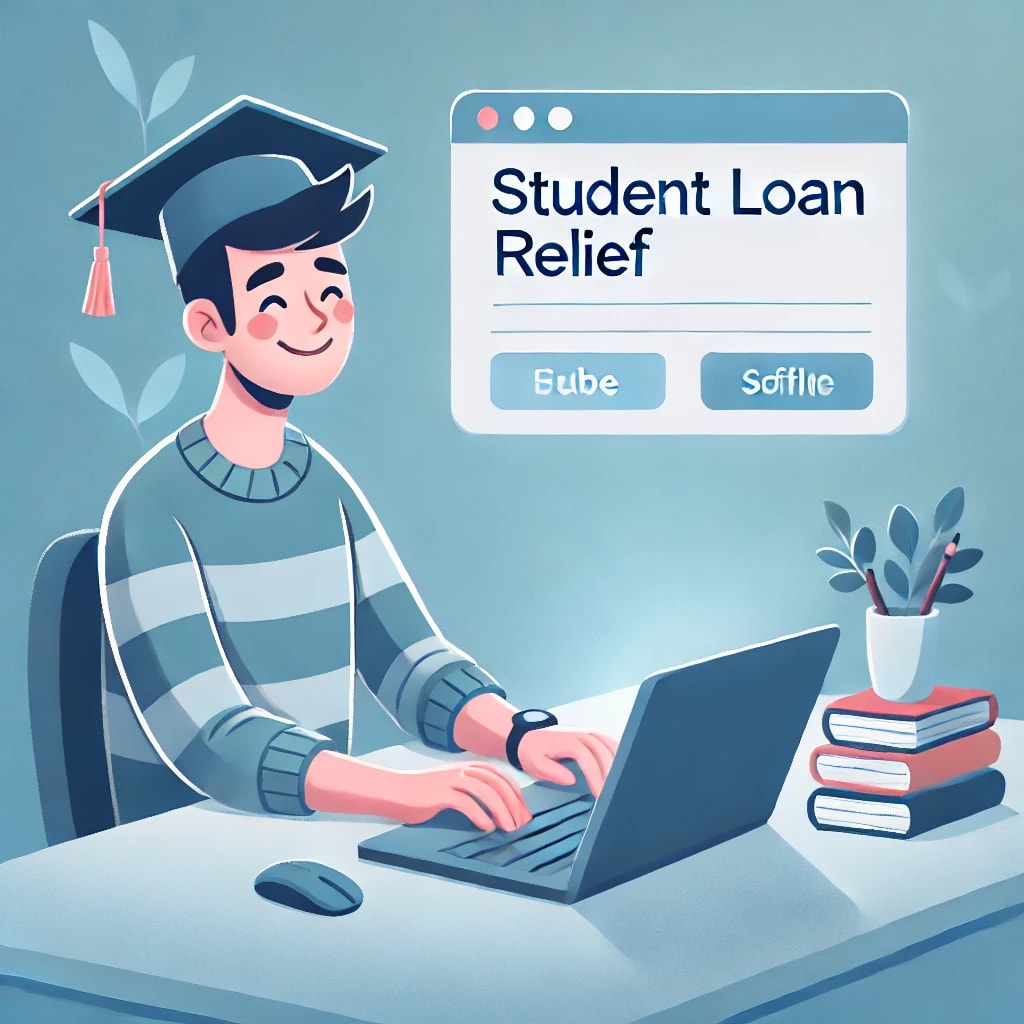
Student loans play a significant role in helping millions of Americans achieve their higher education dreams. With the rising costs of college tuition, many students rely on loans to bridge the financial gap. However, navigating the world of student loans can be challenging, as it involves various types of loans, repayment options, and long-term implications. This article sheds light on the key aspects of student loans in the United States.
Types of Student Loans
In the U.S., student loans are broadly categorized into federal and private loans:
- Federal Student Loans: These loans are funded by the federal government and offer several benefits, including fixed interest rates, income-driven repayment plans, and forgiveness programs. The primary types of federal loans include:
- Direct Subsidized Loans: Available to undergraduate students with financial need. The government covers the interest while the student is in school at least half-time, during the grace period, and deferment periods.
- Direct Unsubsidized Loans: Available to both undergraduate and graduate students, regardless of financial need. Borrowers are responsible for all accrued interest.
- Direct PLUS Loans: Designed for graduate students, professional students, or parents of dependent undergraduate students. These loans require a credit check and have higher interest rates than other federal loans.
- Direct Consolidation Loans: Allow borrowers to combine multiple federal loans into a single loan with one monthly payment.
- Private Student Loans: Offered by banks, credit unions, and other private lenders. These loans typically have variable interest rates and fewer repayment options compared to federal loans. Eligibility and terms depend on the borrower’s credit history and income, often requiring a cosigner.
Application Process for Student Loans
The process for obtaining a student loan depends on whether it is federal or private:
- Federal Loans: To apply, students must complete the Free Application for Federal Student Aid (FAFSA). This form determines eligibility for federal loans, grants, and work-study programs. Once the FAFSA is submitted, the student receives a financial aid offer from their school, outlining the types and amounts of aid they qualify for.
- Private Loans: Students need to apply directly through the lender’s website. The application process includes a credit check and may require proof of income or a cosigner.
Repayment Options
Repaying student loans is a long-term commitment that requires careful planning. Federal loans offer several repayment plans, including:
- Standard Repayment Plan: Fixed monthly payments over 10 years.
- Graduated Repayment Plan: Lower initial payments that increase every two years, suitable for borrowers expecting a rise in income.
- Income-Driven Repayment Plans (IDR): Monthly payments are based on the borrower’s income and family size. Examples include Income-Based Repayment (IBR) and Pay As You Earn (PAYE).
- Extended Repayment Plan: Payments are spread over 25 years, reducing monthly amounts but increasing overall interest costs.
Private loans generally lack such flexible repayment options, though some lenders may offer forbearance or deferment in specific circumstances.
Student Loan Forgiveness Programs
Federal loans may qualify for forgiveness programs under certain conditions:
- Public Service Loan Forgiveness (PSLF): Available to borrowers working in government or non-profit organizations. Requires 120 qualifying payments under an income-driven repayment plan.
- Teacher Loan Forgiveness: Provides up to $17,500 in forgiveness for teachers working in low-income schools for five consecutive years.
- Income-Driven Forgiveness: Remaining balances on income-driven plans are forgiven after 20 or 25 years of qualifying payments.
Private loans, on the other hand, are generally not eligible for forgiveness.
Impact of Student Loans on Borrowers
Student loans have both short-term and long-term financial implications:
- Short-Term: Student loans enable access to education that might otherwise be unaffordable. They can cover tuition, housing, books, and other expenses, reducing financial stress during school years.
- Long-Term: Repayment can take decades, affecting the borrower’s ability to save for retirement, buy a home, or invest. High debt levels may lead to financial strain if income growth does not keep pace with loan obligations.
Tips for Managing Student Loans
To minimize the burden of student loans, borrowers should:
- Borrow only what is necessary and explore scholarships and grants to reduce reliance on loans.
- Choose federal loans over private loans whenever possible due to their borrower-friendly terms.
- Keep track of loan details, including interest rates, repayment schedules, and servicer contact information.
- Make extra payments whenever possible to reduce the principal balance and save on interest.
- Stay informed about potential changes in federal loan policies or new forgiveness programs.
The Future of Student Loans in the U.S.
The student loan landscape in the United States continues to evolve. Recent discussions around widespread loan forgiveness, policy changes, and interest rate adjustments highlight the need for borrowers to stay updated. While loans are an invaluable resource for pursuing higher education, understanding their implications and managing them responsibly is crucial for financial well-being.
About the Creator
Minecraft APK Download (Android, Pro Unlocked)
Fast free Minecraft APK Download for Android. Get Minecraft Pocket Edition, mods, and the latest version. Enjoy building and exploring in Minecraft PE. NBS Reborn APK.
Keep reading
More stories from Minecraft APK Download (Android, Pro Unlocked) and writers in The Swamp and other communities.
White House Pauses Federal Grants: What It Means for Federal Financial Assistance in 2025
The recent announcement from the White House regarding the pause on all federal grants has left many individuals, organizations, and state governments concerned about its implications. Federal grants play a critical role in funding a wide range of programs, from education and healthcare to infrastructure and disaster relief. Here’s an in-depth look at what this pause means, its potential impact, and the current state of federal financial assistance.
By Minecraft APK Download (Android, Pro Unlocked)about a year ago in The Swamp
Parallel Protests
I haven't written for quite some time, but I have A LOT of thoughts about yesterday's protest rally against our government's involvement and complicity in America's war on Iran, on the harbourside of my home city Bristol, and I need to put them somewhere. My gorgeous girlfriend is always a loving and listening ear and sharing it all with her will always be a healthy and happy way of processing the mental and emotional weight, but getting it straight in my brain to share means writing it all down in straight lines, so, here we are and thanks for being here.
By Steph Cole6 days ago in The Swamp
Amazon UAE Data Center Hit by Drone Attack
In an era where data powers economies and cloud computing underpins daily life, the idea that a data center could become a target of war feels unsettling. Yet this is exactly what happened when drone attacks damaged cloud facilities operated by Amazon in the Middle East. The incident, which struck data centers in the United Arab Emirates and neighboring Bahrain, marks a new chapter in how geopolitical conflict can disrupt not only physical infrastructure but also the digital services millions rely on every day.
By Sajida Sikandar6 days ago in The Swamp


Comments
There are no comments for this story
Be the first to respond and start the conversation.