
Ukraine’s plan to cut off Russia’s front-line troops is working
Ukrainian forces are increasingly using strategic attrition, drones and targeted strikes to disrupt Russian front‑line units and logistics, exerting pressure on Moscow’s war effort.

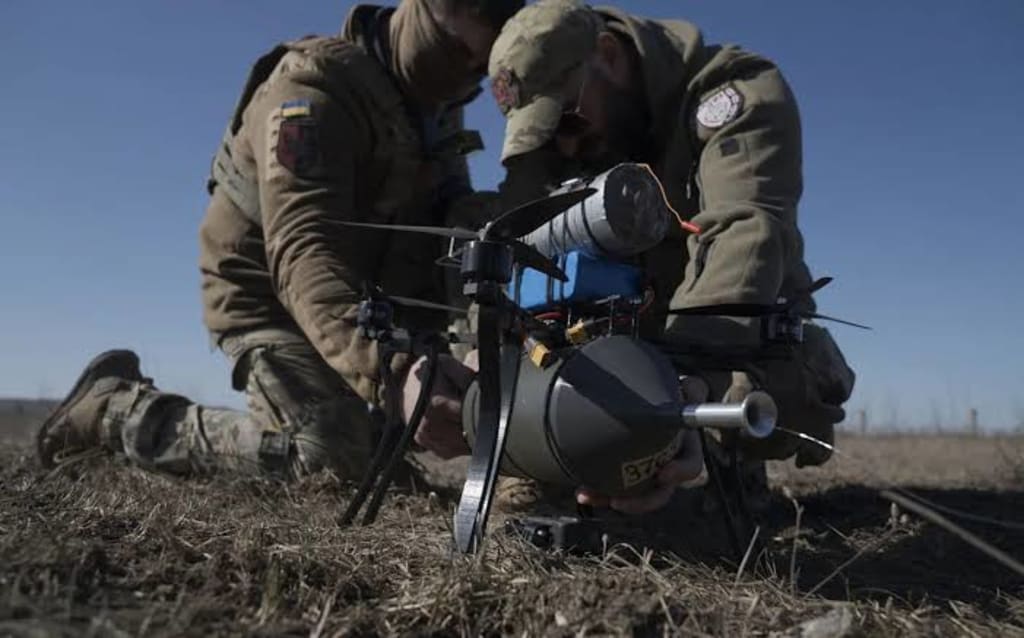
Ukrainian forces are increasingly using strategic attrition, drones and targeted strikes to disrupt Russian front‑line units and logistics, exerting pressure on Moscow’s war effort.
Ukrainian military planners have adopted a strategy that seeks not simply to push Russian forces back in direct combat, but to cut them off from essential supply lines, communications and support — and evidence suggests this is producing results on the battlefield. According to recent reporting, Ukraine’s approach has expanded a so‑called “kill zone” using drones and long‑range strikes to disrupt Russian front‑line strength without exposing large numbers of Ukrainian troops to traditional direct assaults.
A Strategy of Attrition and Disruption
Rather than engaging in costly, large‑scale advances against numerically superior forces head‑on, Ukrainian commanders have focused on attrition and targeted interdiction operations. By exploiting weaknesses in Russian logistical networks and communication systems, Ukraine aims to force Moscow’s units to travel long distances under fire, wear down morale and sap combat effectiveness. This approach reflects months of refinement, including the use of precision strikes, artillery, drones and electronic warfare to disrupt Russian fronts.
A key element of this strategy has been the prominent role of drones and unmanned aerial systems, which allow Ukrainian forces to reach deep into front‑line areas that were previously difficult to target without risking manned aircraft or ground troops. These drones not only identify and attack Russian targets but also compel enemy units to relocate and stretch their already overextended supply lines.
Communications Disruption as a Force Multiplier
Information dominance — long a hallmark of successful modern military campaigns — has also played a part. Independent observers note significant disruptions to Russian military communications, particularly since early February, creating gaps in coordination along large swathes of the 1,200‑kilometre front. This “comms collapse” has offered Kyiv rare opportunities to exploit weak spots and strike at Russian forces that lack real‑time battlefield awareness.
By depriving Russian commanders of timely communication and logistical coordination, Ukraine increases the difficulty of resupplying and reinforcing isolated units, magnifying the impact of Ukrainian strikes and defensive operations. The result has been a more fragmented Russian battlefield posture in some sectors, which Kyiv’s forces seek to exploit systematically.
Localized Successes and Cut‑Off Forces
This strategy is not simply theoretical. In certain contested areas, Ukrainian commanders have reported Russian contingents being effectively isolated or cut off from key bases and supply depots. For example, in late 2025, Ukrainian forces declared that Russian troops near Kupiansk had been “completely cut off,” highlighting the potential effectiveness of operations that sever links between front‑line units and their logistical lifelines.
Such tactical outcomes demonstrate that Ukraine’s focus on disruption — rather than decisive territorial gains — can degrade enemy formations over time. By compelling adversaries to abandon or risk being encircled, Kyiv’s forces hope to erode Russia’s overall capacity to sustain an offensive deep in Ukrainian territory.
Strategic Implications and Continued Challenges
Despite these localized successes, the conflict remains far from decided, and both sides continue to adapt. Russia’s vast manpower reserves, industrial output and aggressive, if costly, assault tactics mean that Ukraine’s gains are incremental rather than decisive. Russia’s overall offensive posture has persisted, with Moscow continuing to field a broad front and launch attacks across multiple sectors even as its forces suffer heavy attrition.
At the same time, the intensity of drone warfare and precision strikes underscores the evolving nature of the conflict. Ukraine’s strategy of combining technologically sophisticated tools with targeted attrition tactics has provided a blueprint for a war of endurance, even without a clear breakthrough across the entire front. Analysts note that while Kyiv’s forces have not yet achieved a sweeping strategic encirclement of major Russian formations, the cumulative pressure on Moscow’s supply lines, communications and frontline units has begun to shape battlefield dynamics to Ukraine’s advantage in certain areas.
Looking Ahead: Attrition as Long‑Term Strategy
As the conflict enters its fifth year, Ukraine’s approach highlights a recognition that a conventional large‑scale breakthrough may remain elusive without overwhelming resources. Instead, Kyiv’s military leadership appears committed to a longer campaign of attrition, combining tactical innovation, international military support and asymmetric tactics to blunt and gradually unwind Russia’s offensive capability.
While the broader conflict shows few signs of a rapid resolution, the emerging evidence suggests that Ukraine’s efforts to interdict and isolate Russian front‑line troops are yielding measurable, if incremental, effects — complicating Moscow’s operational calculus and keeping Kyiv competitive on the battlefield.
About the Creator
Fiaz Ahmed
I am Fiaz Ahmed. I am a passionate writer. I love covering trending topics and breaking news. With a sharp eye for what’s happening around the world, and crafts timely and engaging stories that keep readers informed and updated.
Keep reading
More stories from Fiaz Ahmed and writers in The Swamp and other communities.
To Fight Iran’s Drones, U.S. Taps Ukraine’s Hard-Earned Knowledge
As clusters of cheap, one‑way attack drones launched by Iran hammer U.S. and allied positions across the Middle East, Washington is increasingly turning to battle‑tested expertise developed on the battlefields of Ukraine to counter the threat. Multiple governments — including the United States and Gulf partners — are now seeking Kyiv’s experience in defeating Iranian‑designed Shahed drones, a pincer move that underscores how lessons from Europe’s longest war are shaping the new front in the Middle East. Iran’s drones, often inexpensive and difficult for traditional air‑defence systems to track, have been used extensively against U.S. forces in the Gulf region since late February 2026. The swarms have forced U.S. commanders to reconsider conventional approaches — such as firing costly Patriot missiles — and look for low‑cost, flexible counter‑drone strategies that have been refined by Ukraine’s military over years of fighting Russian forces. Battle‑Hardened Expertise in Demand Ukraine has become a leader in counter‑drone warfare through its long experience battling Shahed‑type unmanned aerial vehicles — the same models now pummelling targets in the Middle East. Ukrainian President Volodymyr Zelenskyy confirmed that the United States formally requested Kyiv’s assistance in defending against these threats, and that Ukrainian experts and equipment are being dispatched to the region to help protect U.S. bases and allied forces. Beyond personnel, Ukraine is exporting interceptor drones and specialised technology designed to detect, track and destroy enemy UAVs flying at low altitudes, a niche capability developed during its four‑year conflict with Russia. Sources say that Kyiv plans to send military instructors to the Middle East and that Ukrainian interceptor systems — including drones proven in combat — could be deployed alongside Gulf allies’ defences. The United States and other governments face significant challenges using high‑end systems like Patriot missiles against drone swarms: each intercept can cost millions of dollars, far more than the relatively cheap Iranian-produced drones they target. Ukraine’s approach emphasises cost‑effective, layered defences including interceptor aircraft, small autonomous systems, acoustic sensors and electronic warfare tools — techniques now attracting attention far beyond the European theatre. Strategic Shifts After Initial Resistance Reports indicate Ukraine offered its drone‑defence expertise and technology to the Pentagon months before Israel and the United States initiated major strikes on Iran — offers that were initially overlooked but are now seeing renewed interest as the drone threat grows. Analysts describe this dynamic as a tactical reversal, with U.S. planners acknowledging the value of Ukraine’s “hard‑earned” knowledge on how to defeat massed Shahed attacks. Part of the Pentagon’s response includes visits to Ukrainian forces by U.S. counter‑drone specialists, who studied Ukrainian tactics, techniques and procedures (TTPs) for countering unmanned threats. This preparatory work preceded joint U.S.–Israeli operations and signals deeper military cooperation in the evolving fight against drones. Broadening Global Cooperation Ukraine’s potential role isn’t limited to the U.S. alone; several Gulf states, including the United Arab Emirates, Qatar, Jordan, Kuwait and Bahrain, have also approached Kyiv for help. Zelenskyy has positioned Ukraine’s experience as a resource for allies grappling with Iranian drone swarms while ensuring such cooperation does not undermine Ukraine’s own defence needs. This cooperation comes at a moment when the nature of conflict is changing: swarms of low‑cost drones now pose widespread challenges that strain high‑end air defence systems and raise questions about how modern militaries defend against attritional UAV campaigns. The Middle East conflict — like Ukraine’s fight against Russian‑backed forces — demonstrates that drones have become central to contemporary warfare beyond conventional battlefields. Implications for U.S. and Allied Defence Policy U.S. reliance on Ukraine’s counter‑drone experience reflects broader strategic adjustments. With Iranian drones proving resilient against traditional interception methods, the U.S. and partners are now incorporating lessons from Ukraine’s experience to adapt defensive postures rapidly. That includes evaluating next‑generation interceptor technologies, AI‑driven autonomous drones and layered detection networks that can handle the scale and unpredictability of drone swarms. The unfolding collaboration highlights how military innovation fostered in one theatre can influence combat operations elsewhere. As the United States and its allies confront the dual threats of missiles and drones from Iran, Ukraine’s hard‑won expertise may play an increasingly central role in shaping effective, affordable defences — and in redefining how modern air defence is conducted.
By Fiaz Ahmed about 13 hours ago in The Swamp
The Forsyth House Fire
Since 1851, Forsyth House has stood on the corner of Union Street and Gordon Street in the heart of Glasgow. Its iconic, or was... because on Sunday 8th of March, 2026, a fire broke out in a small, seemingly un-named shop in the building and tore all that history down. As I write, the rubble is still unsettled and the street is still blocked off. Central Station is quiet on the upper level, and around 30 small businesses have quite literally gone up in smoke.
By S. A. Crawforda day ago in The Swamp
Russian Strike on Kyiv Region Kills 4 People and Wounds 15 as Peace Talks Stall
A Russian military strike in the Kyiv region has left at least four civilians dead and 15 others injured, further heightening fears over escalating violence even as stalled peace negotiations underscore the difficulty of ending the conflict. Ukrainian authorities confirmed the casualties, while local emergency services rushed to provide medical care and assess the damage to residential areas. The strike, part of a series of attacks over the past several weeks, targeted both infrastructure and population centers. Explosions destroyed multiple buildings, leaving several residents trapped under debris. Emergency responders and volunteers worked through the night to evacuate survivors and provide urgent assistance to those injured. Civilian Impact and Humanitarian Concerns The human toll of the attack underscores the ongoing vulnerability of civilians in conflict zones. Families living in suburban and rural areas near Kyiv have faced repeated bombardment, which not only causes immediate casualties but also disrupts daily life, schooling, and access to essential services. Medical personnel report that hospitals in the region are operating under significant strain, treating injuries ranging from shrapnel wounds to burns. Local authorities warned that repeated attacks increase both physical and psychological trauma for residents, especially children. International humanitarian organizations have expressed alarm over the rising number of civilian casualties in Ukraine, emphasizing the need for adherence to international law and the protection of noncombatants. Escalation Amid Stalled Peace Talks The strike comes at a time when formal peace discussions remain stalled. Negotiations between Ukrainian officials and Russian representatives, mediated by international actors, have made little progress in recent months. Analysts warn that ongoing attacks, including strikes on urban centers like Kyiv, may further complicate any diplomatic efforts. Officials in Kyiv have stressed that military pressure continues to be a key tactic for Russia, even as international actors push for negotiations. The continuation of strikes raises concerns about both the stability of the truce mechanisms and the broader prospects for a ceasefire. Strategic and Political Implications Beyond the immediate humanitarian impact, attacks on the Kyiv region carry significant political and strategic implications. The Ukrainian government has accused Russia of deliberately targeting populated areas to exert pressure, while Moscow maintains that military operations are aimed at neutralizing Ukrainian military capabilities. The international community remains closely monitoring these developments. Countries supporting Ukraine have condemned attacks on civilian areas, highlighting violations of international humanitarian law, and continue to provide military, financial, and logistical support to Kyiv. Conversely, the continuation of strikes complicates diplomatic engagement by signaling persistent Russian resolve. Regional Security and Infrastructure Damage Infrastructure in the Kyiv region has also suffered extensive damage. Utilities, transportation networks, and residential buildings were affected, creating immediate challenges for recovery and reconstruction. Local authorities are prioritizing the repair of essential services, but the repeated bombardments slow restoration efforts and leave communities exposed to further risk. Energy and water supply systems were reported to be intermittently disrupted, forcing residents to rely on emergency measures. Schools and healthcare facilities have had to adjust operations to accommodate safety concerns, and the local economy continues to be affected by interruptions in daily life. International Reactions The international response to the strike has been swift. The United Nations called for restraint and urged all parties to comply with international law protecting civilians. Western nations, including members of the European Union and United States, issued statements condemning the attacks and reaffirmed support for Ukraine’s sovereignty. Aid organizations are coordinating with local authorities to deliver emergency supplies, medical care, and psychosocial support to affected families. However, the ongoing security situation complicates the logistics of delivering relief in some areas. Civilian Resilience and Community Response Despite the danger, local communities have shown remarkable resilience. Volunteers and neighborhood organizations mobilize quickly to provide shelter, food, and first aid to those affected by strikes. These efforts, combined with government and international assistance, help mitigate the immediate humanitarian consequences. Nevertheless, the repeated attacks erode a sense of security and heighten anxiety among residents, particularly children and the elderly, creating long-term psychological challenges. Outlook and Continuing Tensions The strike in the Kyiv region illustrates the persistent volatility in Ukraine, where civilians remain caught between ongoing military operations and stalled diplomatic efforts. Analysts warn that without renewed negotiations and adherence to humanitarian protections, civilian casualties are likely to increase, further complicating prospects for peace. For now, Ukrainian authorities continue to reinforce emergency response systems and seek international support, while the people of Kyiv brace for further uncertainty. The situation remains a stark reminder of the human cost of conflict and the urgent need for renewed diplomatic engagement to prevent further loss of life.
By Fiaz Ahmed Brohiabout 6 hours ago in The Swamp
Why Didn't Anyone Tell Us
Men, move along. This is not for you. This is for the women. I was forty-five when I began menopause. It is pretty young for that to be going on in a woman’s life, but I had undiagnosed PCOS, my entire life. Thank you to all the gynecologists I had seen my entire life. That in itself should encourage women to keep seeking second opinions, especially when you are not getting correct answers or any at all.
By Alexandra Grant4 days ago in Humans


Comments
There are no comments for this story
Be the first to respond and start the conversation.