
Ukraine Deal: EU Leaders Agree €90bn Loan Without Using Frozen Russian Assets
Why Europe’s massive financial backing for Ukraine comes with legal limits and strategic caution

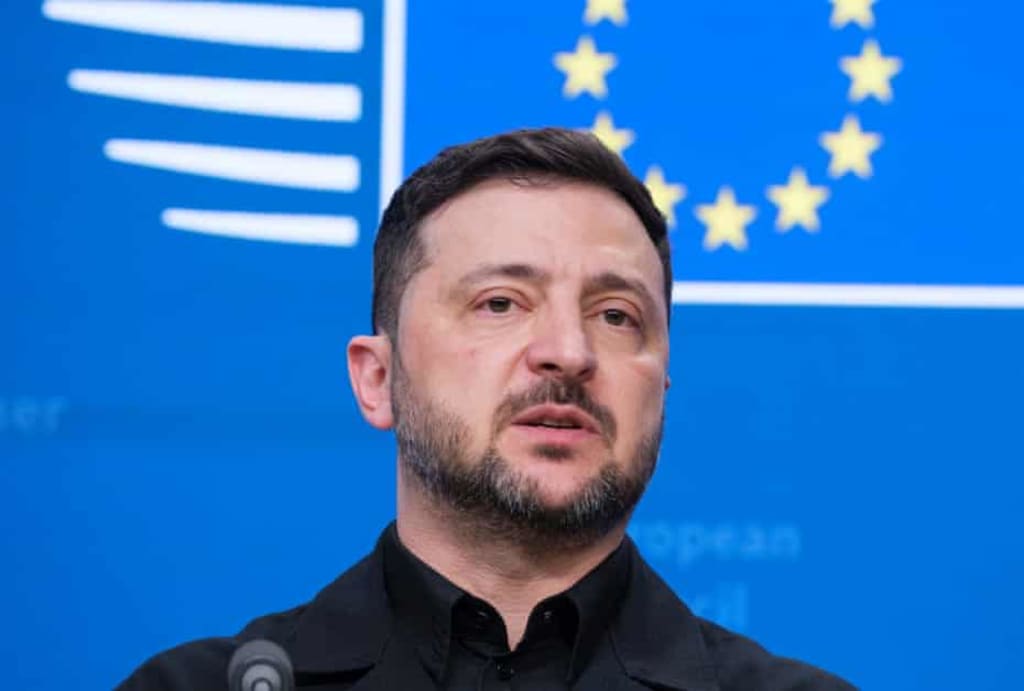
European Union leaders have reached a landmark agreement to provide €90 billion in financial assistance to Ukraine, reinforcing Europe’s long-term commitment to Kyiv as the war continues to reshape the continent’s political and economic landscape. However, the deal comes with a notable limitation: the funding will not be sourced directly from frozen Russian state assets, a decision that reflects deep legal, political, and diplomatic concerns within the EU.
While the agreement signals unity and resolve, it also highlights the complex balancing act European leaders face as they support Ukraine without crossing legal boundaries that could destabilize global financial systems.
What the €90bn Ukraine Deal Includes
The €90bn package is structured primarily as long-term loans, rather than outright grants. The funding is intended to help Ukraine stabilize its economy, maintain essential government services, and continue rebuilding critical infrastructure damaged by the war.
EU officials have emphasized that the loan will:
Support Ukraine’s budget needs
Help maintain public sector wages and pensions
Strengthen energy security and infrastructure
Prepare the country for long-term reconstruction
By offering loans instead of grants, the EU aims to ensure sustained support while maintaining financial discipline among member states already under economic strain.
Why Frozen Russian Assets Were Excluded
Since the start of the conflict, Western countries have frozen hundreds of billions of euros in Russian central bank assets. Many policymakers and citizens have questioned why these funds are not being used directly to finance Ukraine’s defense and reconstruction.
EU leaders, however, remain divided on the issue. The primary concerns are legal precedent and financial stability. Confiscating sovereign assets could violate international law and undermine trust in the global financial system. Several EU members fear that such a move could discourage foreign governments from holding reserves in European banks in the future.
Instead of seizing the assets themselves, the EU has explored alternative approaches, such as using the interest generated from frozen Russian funds — a legally safer option that avoids outright confiscation.
Political Unity, Strategic Caution
The agreement demonstrates that EU unity remains intact, even as debates grow more intense. Some member states pushed for a stronger stance, arguing that Russia should bear the financial burden of the war it initiated. Others urged caution, warning that aggressive asset seizure could invite legal retaliation and damage Europe’s credibility.
Ultimately, leaders settled on a compromise: provide substantial financial support to Ukraine now, while continuing to explore lawful ways to make Russia financially accountable in the future.
This cautious approach reflects the EU’s broader strategy — combining firmness with legal restraint.
Ukraine’s Perspective on the Deal
For Ukraine, the €90bn loan represents both relief and limitation. While the funds will help keep the government functioning and the economy afloat, loans also add to the country’s long-term debt burden.
Ukrainian officials have repeatedly argued that frozen Russian assets should be used directly for reconstruction, framing it as a matter of justice rather than charity. From Kyiv’s perspective, borrowing money to repair damage caused by an aggressor highlights the imbalance of the current system.
Still, Ukrainian leaders have welcomed the agreement as proof that European support remains strong and reliable.
Economic Pressures Inside the EU
The deal also reflects internal EU pressures. Many member states are grappling with inflation, slow growth, and voter fatigue over prolonged foreign aid. Structuring the assistance as loans helps reassure domestic audiences that the support is controlled and accountable.
At the same time, EU officials stress that supporting Ukraine is not merely an act of solidarity — it is a strategic investment in European security. A weakened or unstable Ukraine, they argue, would pose far greater long-term costs to the continent.
A Signal to Global Partners
The €90bn agreement sends a clear message beyond Europe. It signals to allies, including the United States and international financial institutions, that the EU remains committed to Ukraine’s survival and recovery.
It also sends a message to Russia: while Europe may act cautiously within legal frameworks, its financial and political backing for Ukraine is not diminishing.
However, critics argue that the refusal to use frozen Russian assets weakens Europe’s leverage and delays accountability. Supporters counter that preserving legal norms ultimately strengthens Europe’s global standing.
What Happens Next
The loan package will now move into implementation phases, with funds expected to be distributed in tranches tied to reforms, transparency, and economic benchmarks. Discussions around frozen Russian assets are likely to continue, especially as reconstruction costs climb into the hundreds of billions.
As the war persists, pressure will grow on EU leaders to find innovative — yet lawful — ways to ensure Russia contributes to rebuilding what has been destroyed.
Conclusion
The EU’s €90bn loan agreement marks a significant moment in Europe’s response to the Ukraine war. It reflects solidarity, strategic caution, and legal restraint — all at once. While the decision not to use frozen Russian assets may disappoint some, the scale of the financial commitment underscores that Europe remains deeply invested in Ukraine’s future.
In a conflict defined by uncertainty, the deal offers one clear message: Europe’s support for Ukraine is long-term, calculated, and far from symbolic.
About the Creator
Asad Ali
I'm Asad Ali, a passionate blogger with 3 years of experience creating engaging and informative content across various niches. I specialize in crafting SEO-friendly articles that drive traffic and deliver value to readers.
Danish and Greenlandic Foreign Ministers to Meet US Vice President JD Vance and Secretary of State Marco Rubio in Washington
The Danish and Greenlandic foreign ministers are set to meet US Vice President JD Vance and Secretary of State Marco Rubio in Washington on Wednesday, signaling a significant moment in transatlantic diplomacy. The talks are expected to focus on Arctic security, economic cooperation, climate change, and the evolving geopolitical importance of Greenland. As global interest in the Arctic intensifies, this meeting highlights how a once-remote region has become central to international strategy and great-power competition.
By Aarif Lashari7 days ago in The Swamp
Trump Heads to Davos More Aggressive and Ambitious Than Ever
This January, the global stage in Davos, Switzerland, has become the center of attention once again. But this year, all eyes are on Donald J. Trump, who is making a return to the World Economic Forum with a bold, aggressive, and ambitious agenda unlike anything we’ve seen before.
By Aqib Hussainabout 16 hours ago in The Swamp




Comments
There are no comments for this story
Be the first to respond and start the conversation.