
Ukraine Condemns “Brutal” Russian Strikes as Second Day of Peace Talks Ends
Ongoing attacks on civilian areas cast doubt on diplomacy as negotiations fail to deliver relief

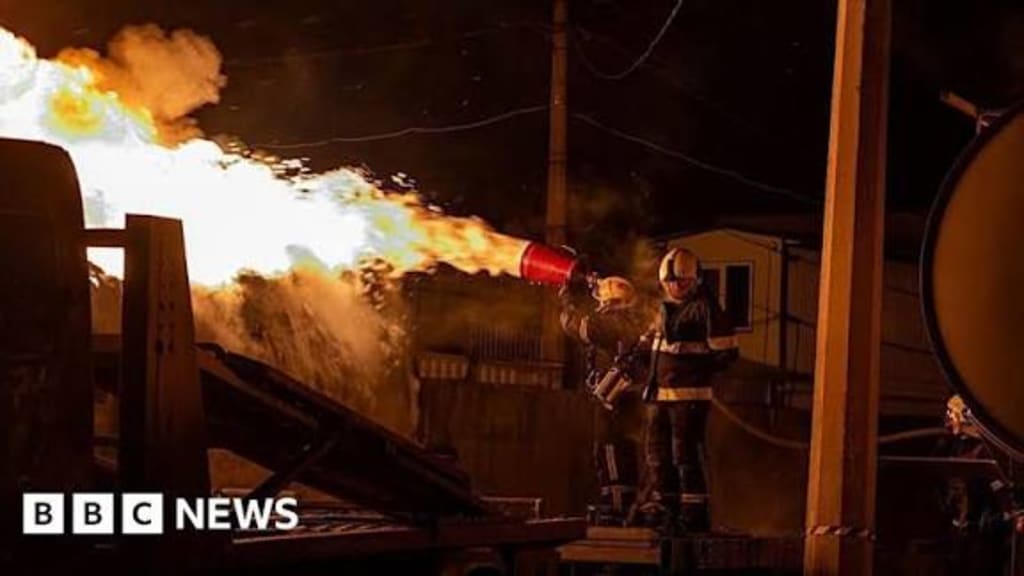
Diplomacy struggles to keep pace with the violence as civilians pay the highest price
As the second day of peace talks came to an uneasy close, Ukraine strongly condemned what it described as “brutal” Russian strikes, accusing Moscow of undermining diplomacy with continued military aggression. The renewed attacks, which reportedly hit civilian infrastructure, have deepened doubts about whether negotiations can bring meaningful relief to a conflict that has already caused immense human suffering.
The contrast between diplomatic discussions and battlefield realities could not have been sharper. While officials spoke of dialogue and possible paths toward de-escalation, explosions and air raid sirens told a very different story on the ground.
Strikes Cast a Shadow Over Peace Efforts
Ukrainian officials said the latest Russian strikes targeted residential areas, energy facilities, and transportation hubs. Emergency services worked through the night to rescue civilians trapped under rubble and restore basic services. According to Kyiv, several regions experienced widespread power outages, leaving families without heat and electricity.
Ukraine’s leadership called the attacks a deliberate signal of disregard for peace efforts, stating that military pressure appeared to increase even as talks were ongoing. “It is impossible to speak about peace while bombs continue to fall,” one senior Ukrainian official said.
Russia has not publicly acknowledged targeting civilians, maintaining that its military operations focus on strategic objectives. However, images and reports from affected areas have fueled international concern and renewed calls for accountability.
Civilian Toll Continues to Rise
For ordinary Ukrainians, the timing of the strikes has been particularly devastating. Many had hoped that peace talks, even if slow, would reduce violence or at least create humanitarian pauses. Instead, communities woke up to damaged homes, shattered windows, and disrupted daily life.
Hospitals reported an influx of injured civilians, including children and the elderly. Aid workers warned that repeated attacks on infrastructure make recovery increasingly difficult, especially as winter conditions or resource shortages strain local systems.
Human rights organizations have again urged all parties to protect civilians and comply with international humanitarian law. The ongoing destruction of essential services, they argue, risks turning a military conflict into a long-term humanitarian crisis.
What Happened at the Peace Talks?
The peace talks, hosted with international mediation, were intended to explore confidence-building measures, ceasefire possibilities, and humanitarian access. While both sides attended, expectations were already low due to deep mistrust and previous failed negotiations.
Sources familiar with the discussions described them as “tense but orderly.” Delegations reportedly exchanged positions but made little progress on key issues such as territorial control, security guarantees, and prisoner exchanges.
Ukraine emphasized the need for an immediate halt to attacks on civilian areas, while Russia focused on broader security concerns. By the end of the second day, no major breakthrough had been announced, though mediators said dialogue would continue.
International Reaction and Pressure
The latest developments have drawn strong reactions from Ukraine’s allies. Several Western governments condemned the strikes and warned that continued attacks could lead to additional sanctions or diplomatic isolation for Russia.
At the same time, international leaders urged both sides to remain engaged in talks. Many see negotiations as the only viable path to ending a conflict that has destabilized the region and affected global food and energy markets.
The United Nations and other global institutions repeated calls for restraint, stressing that diplomacy must be backed by actions, not contradicted by violence.
A Pattern of Talks and Escalation
Analysts note that this is not the first time peace discussions have coincided with renewed fighting. In previous rounds, military escalations have often occurred alongside diplomatic efforts, leading critics to question whether talks are being used strategically rather than sincerely.
Some experts believe the strikes are meant to strengthen negotiating positions by applying pressure on the battlefield. Others argue they reflect internal political dynamics and a lack of unified command or trust.
Whatever the motivation, the outcome is the same for civilians: continued fear, displacement, and loss.
Ukraine’s Position Moving Forward
Despite the violence, Ukraine has said it will remain engaged in diplomacy, but not at any cost. Officials insist that peace must be just, lasting, and based on respect for sovereignty. Temporary pauses without security guarantees, they argue, only allow violence to resume later.
Ukraine has also reiterated its calls for increased international support, including humanitarian aid and defensive assistance, to protect civilians while talks continue.
“We want peace,” a Ukrainian spokesperson said, “but peace cannot be built on destruction.”
What Comes Next?
As the second day of peace talks ends without clear results, the path forward remains uncertain. Mediators are expected to push for follow-up meetings, possibly focusing on limited agreements such as humanitarian corridors or prisoner exchanges.
However, trust between the two sides remains fragile. Each new strike makes compromise harder and deepens public skepticism about negotiations.
For now, Ukraine’s condemnation reflects a broader frustration shared by many watching the conflict unfold: peace talks alone cannot succeed if violence continues unchecked.
Conclusion
The latest Russian strikes, coming as peace talks concluded their second day, have once again highlighted the gap between words and actions in this conflict. Ukraine’s strong condemnation underscores the belief that diplomacy must be matched by genuine efforts to reduce harm.
Until that happens, peace will remain elusive, and civilians will continue to bear the heaviest burden of a war that shows no easy end.
About the Creator
Fiaz Ahmed
I am Fiaz Ahmed. I am a passionate writer. I love covering trending topics and breaking news. With a sharp eye for what’s happening around the world, and crafts timely and engaging stories that keep readers informed and updated.
Keep reading
More stories from Fiaz Ahmed and writers in The Swamp and other communities.
Russian ‘Shadow Fleet’ Tanker Diverted to French Port by Naval Forces
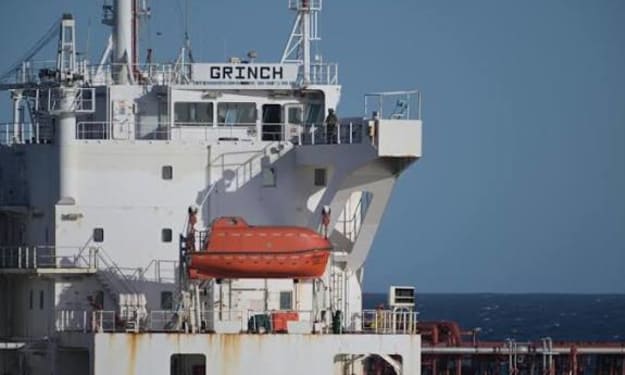
A Russian oil tanker believed to be part of the so-called “shadow fleet” was recently diverted to a French port after being intercepted by naval forces. The incident has drawn international attention and renewed debate over sanctions enforcement, maritime security, and the hidden networks used to transport oil amid global restrictions. The diversion highlights growing efforts by European nations to tighten oversight of shipping routes used to bypass sanctions imposed on Russia following its invasion of Ukraine. As pressure increases, the seas have become a key battleground in the enforcement of international law. What Is the Russian ‘Shadow Fleet’? The term “shadow fleet” refers to a group of aging oil tankers operating outside standard international shipping practices. These vessels are often owned by shell companies, sail under flags of convenience, and frequently turn off tracking systems to avoid detection. Such tankers are used to transport Russian oil to buyers willing to ignore or work around Western sanctions. Many operate with limited insurance coverage and unclear ownership, raising safety and environmental concerns for coastal nations. Details of the Tanker Diversion According to officials, the tanker was navigating European waters when naval forces intervened and directed it to a French port for inspection. Authorities suspect the vessel was attempting to conceal its cargo origin or violate sanctions related to Russian energy exports. The operation was conducted under maritime law, which allows states to inspect ships when there is reasonable suspicion of illegal activity. Once docked, the tanker was expected to undergo checks related to its documentation, cargo, safety standards, and ownership structure. Why France Took Action France, like many European Union members, has strengthened its monitoring of shipping activity linked to sanctioned entities. The diversion reflects a broader strategy to prevent illegal oil trade and ensure compliance with international sanctions. Officials emphasized that the action was not an act of aggression but a lawful enforcement measure. By intercepting the tanker, French authorities aimed to send a clear signal that European waters will not be used to evade sanctions without consequence. Sanctions and Maritime Enforcement Since the introduction of price caps and trade restrictions on Russian oil, enforcement has proven challenging. Oil is easily transported, and global demand creates incentives for creative evasion methods. Shadow fleet vessels often: Change names and flags frequently Use complex ownership chains Disable location tracking systems Transfer oil at sea to other ships These practices make monitoring difficult, but recent interceptions show that naval and port authorities are improving coordination and intelligence sharing. Environmental and Safety Risks Beyond sanctions, shadow fleet tankers pose serious environmental risks. Many of these ships are old and poorly maintained. Without proper insurance, any oil spill could leave coastal nations with massive cleanup costs. Maritime safety experts warn that an accident involving such a tanker in busy European waters could have severe consequences for marine life, fisheries, and tourism. This adds urgency to efforts aimed at inspecting and, when necessary, detaining suspect vessels. Russia’s Response and Global Reactions Moscow has repeatedly criticized Western sanctions, arguing they disrupt global energy markets. Russian officials have denied wrongdoing and claim that such enforcement actions are politically motivated. Meanwhile, Western governments argue that sanctions are a legitimate response to Russia’s actions in Ukraine and that enforcement is essential to maintaining credibility. Analysts say incidents like this could become more frequent as authorities close loopholes. Countries outside Europe are also watching closely. Many rely on maritime trade and are concerned about how enforcement actions may affect global shipping norms. Impact on Global Energy Markets While a single tanker diversion may not disrupt oil supplies, it adds uncertainty to an already fragile market. Traders and shipping companies are paying closer attention to routes, compliance risks, and insurance coverage. Some experts believe stricter enforcement could raise transportation costs for sanctioned oil, reducing profits and limiting Russia’s ability to fund its war effort. Others warn that increased enforcement could push more activity underground. What This Means Going Forward The diversion of the shadow fleet tanker signals a shift from monitoring to action. European navies and port authorities appear more willing to intervene directly when they suspect sanctions violations. This approach may: Increase pressure on shadow fleet operations Encourage greater transparency in shipping Reduce environmental and safety risks Strengthen international sanctions enforcement However, it also raises questions about jurisdiction, escalation, and the balance between security and free navigation. Conclusion The diversion of a Russian shadow fleet tanker to a French port marks a significant moment in maritime sanctions enforcement. It reflects growing determination among European nations to close loopholes and hold violators accountable. As the conflict in Ukraine continues, the seas remain a crucial front in the global response. Whether through inspections, diversions, or tighter regulations, naval forces are playing an increasingly important role in shaping the future of international trade and security.
By Fiaz Ahmed a day ago in The Swamp
UK Drinks Firm Crashes Into Administration – Famous for Popular Gin
A leading UK drinks company, widely recognized for its popular gin brands, has entered administration amid financial difficulties, sending shockwaves across the beverage industry. The firm, which built a reputation for high-quality spirits and innovative marketing campaigns, faces uncertainty as administrators are appointed to manage its operations. Financial Troubles Lead to Administration The UK drinks company cited mounting debts, rising operational costs, and challenging market conditions as primary factors behind its collapse. Administration is a legal process designed to protect struggling businesses from creditors while allowing time to reorganize or sell assets. Executives revealed that despite strong sales of their signature gin products, the company struggled to maintain profitability due to increased production costs, supply chain disruptions, and competitive pressures in the premium spirits market. Iconic Gin Brands at the Center The company is best known for its flagship gin, which has gained widespread recognition both domestically and internationally. Its distinctive branding, creative packaging, and bold marketing campaigns helped it capture a loyal customer base. Industry analysts suggest that the brand’s popularity could make it attractive to potential buyers, who may acquire its assets, intellectual property, and production facilities during the administration process. Impact on Employees Entering administration typically raises concerns for staff, and employees of the drinks firm are no exception. The company employs hundreds across production, marketing, and distribution, and administrators have been tasked with evaluating staffing levels while exploring options to continue operations. Unions and workers’ representatives have called for transparency and assurances that jobs will be protected where possible, emphasizing the social impact of a high-profile business collapse. Market Pressures and Competitive Landscape The premium gin sector in the UK has grown rapidly over the last decade, with many new entrants competing for consumer attention. While demand for gin remains strong, profit margins are under pressure from increased raw material costs, fluctuating supply chains, and regulatory constraints, including alcohol duty increases. Smaller and mid-sized producers, like this company, face particular vulnerability. Analysts note that even brands with strong consumer recognition can struggle financially if operational costs rise faster than revenue growth. Consumer Reaction News of the company entering administration has sparked concern among fans of its gin products. Social media platforms were flooded with messages of support, with customers expressing hope that the brand would survive and continue producing their favorite spirits. Some enthusiasts have also highlighted the potential for the brand to be purchased by a larger competitor, which could help stabilize production while preserving the iconic products. Potential Buyers and Future Prospects Industry insiders suggest that several multinational drinks firms may be interested in acquiring the company’s assets, including its trademarks, distillation equipment, and distribution channels. Such acquisitions could safeguard the brand’s legacy while providing new investment to revitalize operations. Administrators are tasked with evaluating all potential offers, prioritizing proposals that protect employees, creditors, and the company’s intellectual property. The process could take several weeks or months, depending on interest from investors and buyers. Wider Implications for the Drinks Industry The collapse of a high-profile gin producer underscores the challenges facing mid-sized beverage companies in the UK. Despite strong consumer demand for premium spirits, market volatility, increased production costs, and rising competition are placing pressure on businesses across the sector. Industry analysts warn that other smaller brands could face similar financial pressures, highlighting the need for careful financial management and adaptability in a rapidly evolving market. Government and Regulatory Perspective While administration is a private legal process, the government monitors such developments closely due to potential impacts on employment, trade, and tax revenues. Officials have stressed that the administration process is designed to maximize value for creditors and employees, and to preserve brands where possible. Regulatory bodies may also oversee the sale of alcoholic beverages to ensure compliance with licensing laws, production standards, and consumer safety requirements. Lessons for Entrepreneurs and Investors The collapse of this UK drinks firm provides lessons for entrepreneurs and investors in the premium spirits market. Strong branding and product popularity alone may not guarantee financial stability; careful attention to cost management, supply chain resilience, and market trends is essential. Experts suggest that companies should diversify revenue streams, explore strategic partnerships, and plan for unexpected challenges to remain competitive in the long term. Conclusion: Uncertain Future for a Beloved Brand The UK drinks firm’s entry into administration marks a significant moment for the beverage industry, particularly for fans of its popular gin products. While the process introduces uncertainty, it also presents opportunities for investment, restructuring, and potential acquisition by larger players. For employees, consumers, and industry observers, the focus now is on how the administration unfolds and whether the brand can survive, maintain its reputation, and continue producing the spirits that made it a household name.
By Aarif Lashari5 days ago in The Swamp



Comments
There are no comments for this story
Be the first to respond and start the conversation.