
UK Braces for Major Travel Disruption as Snow and Ice Warnings Hit
Met Office Warnings Trigger Safety Alerts

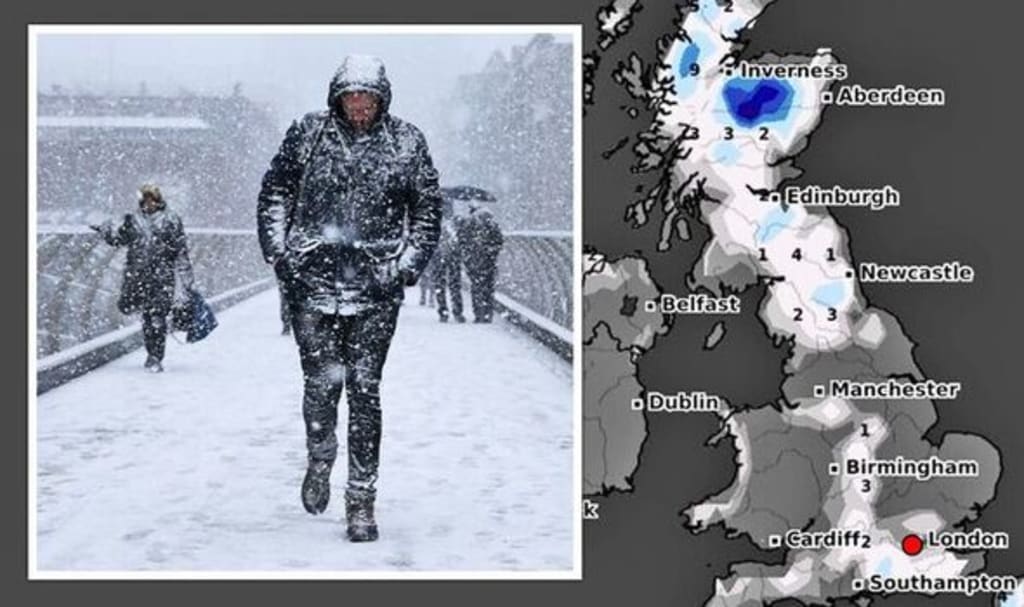
The UK is preparing for widespread disruption as the first significant wintry blast of the season sweeps across the country. The Met Office has issued multiple amber and yellow weather warnings for snow and ice, signalling a difficult period ahead for travellers, commuters, and residents in affected regions.
Severe Weather Alerts in Place
An amber warning for heavy snow has been issued for parts of Yorkshire, particularly the North York Moors and the Yorkshire Wolds. Forecasters predict that these elevated areas could see between 15 and 25 centimetres of snow, enough to severely impact road networks and increase the likelihood of vehicles becoming stranded.
Alongside this, yellow warnings stretch across Northern Ireland, Wales, northern England, southwestern England, and much of Scotland. These warnings highlight risks of icy patches on roads, pavements, and cycle paths, creating hazardous conditions for both drivers and pedestrians.
Temperatures are expected to drop dramatically, with rural areas in Scotland forecast to plunge as low as –11°C overnight. Even daytime temperatures across much of the UK will remain low, contributing to ongoing ice formation and persistent travel challenges.
What’s Behind the Sudden Cold Snap?
Meteorologists say the current conditions are a result of a strong blast of Arctic air sweeping down from the north. This shift has ushered in the first notable cold spell of the autumn season, offering an early — and sharp — taste of winter. Snow showers are expected to continue drifting inland from the North Sea, particularly affecting coastal and high-altitude regions.
These showers, combined with freezing temperatures, are likely to contribute to further accumulation on roads and pathways. High ground in northern and eastern parts of the UK is expected to be hit hardest as the cold spell persists through mid-week.
Impact on Travel and Infrastructure
The amber warning highlights serious concerns for transport systems. Road, rail, and power infrastructure could all be affected. The threat of power cuts, blocked routes, and delayed journeys is particularly high in areas expecting the heaviest snowfall.
National Highways has activated its winter readiness operations, deploying hundreds of gritters across strategic routes. Gritting and ploughing crews are on standby nationwide, prepared to clear roads and respond to emergencies as conditions worsen.
Motoring organisations have also raised alarms. Drivers are being urged to reduce speed drastically, as stopping distances on icy roads can increase tenfold. Motorists are reminded to clear all snow and ice from their vehicles before setting off, ensure tyres are winter-ready, and check fuel levels, battery health, and screenwash.
Experts emphasise driving smoothly, avoiding harsh braking, and steering into a skid if needed, rather than slamming the brakes. With conditions forecast to deteriorate in certain areas, drivers are encouraged to reconsider non-essential travel altogether.
Health and Safety Concerns
Beyond transport issues, the cold spell is raising wider public health concerns. An amber cold-health alert has been issued for parts of northern England, warning that vulnerable groups — including older adults, babies, and people with chronic illnesses — may be at increased risk due to prolonged low temperatures.
Residents are urged to heat their homes adequately, check on elderly neighbours, and take precautions against frozen pipes or burst water systems. The combination of freezing temperatures and snowfall poses a dual threat to both health and home safety.
Guidance for the Public
Authorities have issued several key recommendations to help the public stay safe during the cold spell:
- Check local weather forecasts regularly before travelling.
- Stick to main roads, as these are more likely to be gritted and cleared.
- Allow extra travel time, with delays expected on both road and rail networks.
- Prepare vehicles with winter kits, including warm clothing, blankets, food, water, and a mobile charger.
- Walk with caution, as pavements may be slippery even when roads appear clear.
- Avoid unnecessary travel, especially in areas covered by amber warnings.
- Looking Ahead.
While clearer skies are expected later in the week, temperatures will remain low. This means ice may continue to form overnight, keeping travel conditions challenging. For many parts of the country, particularly rural and high-altitude areas, the impacts of this early winter outbreak may be felt for several days.
As the UK braces for continued snow and ice, authorities stress the importance of preparation, patience, and caution. With winter arriving early and unexpectedly forceful, staying informed and prioritising safety will be essential for navigating the days ahead.
Be cautious.
About the Creator
AxisVibes
We brings you the latest in entertainment, tech, business, finance, and how-to guides. Fresh insights and practical tips to help you stay ahead everyday.
The Forsyth House Fire
Since 1851, Forsyth House has stood on the corner of Union Street and Gordon Street in the heart of Glasgow. Its iconic, or was... because on Sunday 8th of March, 2026, a fire broke out in a small, seemingly un-named shop in the building and tore all that history down. As I write, the rubble is still unsettled and the street is still blocked off. Central Station is quiet on the upper level, and around 30 small businesses have quite literally gone up in smoke.
By S. A. Crawford3 days ago in The Swamp
FBI Alerts California Law Enforcement to Potential Iranian Drone Threat
Federal authorities alerted California law enforcement that Iran may have explored launching drone attacks against the U.S. West Coast from offshore vessels. The warning came through an FBI intelligence bulletin distributed to law enforcement agencies and highlights concerns that escalating tensions in the Middle East could have broader security implications for the United States.
By Jacqueline Bowser5 days ago in The Swamp
Hottest in the Office
Dear Rafi, You’re very distracting to work around. For the first second I saw you the other day, I thought you were some type of executive. It took a moment to realize no, you were just the new guy, dressed up for the job he wants. Be still, my heart.
By Gabriel Shames6 days ago in Pride



Comments
There are no comments for this story
Be the first to respond and start the conversation.