
UK and France Asylum Deal Could Violate Human Rights Laws, Warns UN
United Nations raises legal concerns over proposed migrant return agreement Human rights watchdog questions compliance with international refugee law Deal aimed at stopping Channel crossings faces global scrutiny UN cautions against policies that prioritize deterrence over protection 🔹 Neutral & Analytical Why the asylum agreement is triggering legal and ethical debate Balancing border control with refugee rights A test of Europe’s commitment to international law 🔹 Catchy & Engaging A deal to stop migrants — or to stop asylum? Channel crackdown sparks human rights alarm Border security versus basic rights

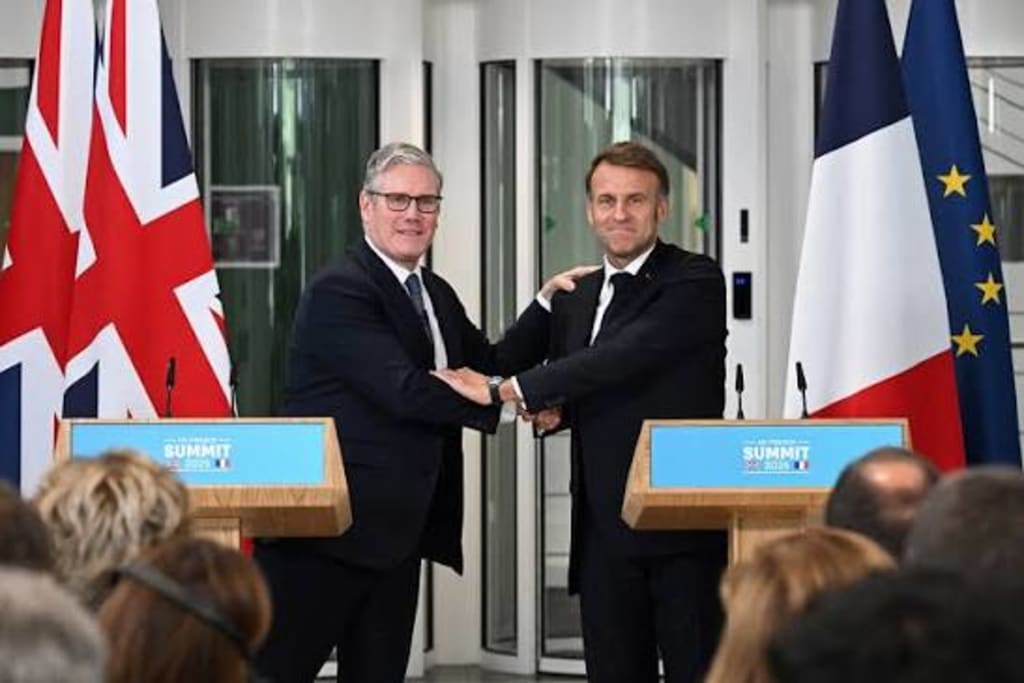
A proposed asylum cooperation agreement between the United Kingdom and France has drawn sharp criticism from the United Nations, with human rights officials warning that key provisions of the deal may breach international legal obligations. The arrangement, intended to curb dangerous migrant crossings in the English Channel, has raised concerns about the treatment of asylum seekers and the potential erosion of protections guaranteed under international refugee law.
Under the proposed framework, the UK and France would expand joint patrols, strengthen border enforcement, and introduce faster procedures for returning migrants who attempt to cross the Channel irregularly. British officials argue that the deal is necessary to disrupt human smuggling networks and reduce the number of perilous journeys made in small boats. French authorities have also emphasized the importance of cooperation to manage migration pressures affecting both countries.
However, the UN High Commissioner for Refugees (UNHCR) and the UN Office of the High Commissioner for Human Rights have expressed alarm at several elements of the agreement. They warn that the plan risks prioritizing deterrence over protection, potentially placing vulnerable individuals in situations that violate their fundamental rights.
Legal and Ethical Concerns
UN officials say the agreement may conflict with the 1951 Refugee Convention, which guarantees the right to seek asylum and prohibits the forced return of individuals to countries where they face persecution or serious harm. Critics argue that accelerated returns and offshore processing mechanisms could prevent migrants from having their asylum claims properly assessed.
“The right to seek asylum is not optional,” a UN spokesperson said. “Any bilateral agreement must fully respect international law and ensure that people fleeing violence and persecution are treated with dignity and fairness.”
Human rights groups fear the deal could create a system in which asylum seekers are transferred between countries without adequate legal safeguards. There are also concerns that some migrants could be sent back to unsafe conditions or detained in overcrowded facilities while their cases are processed.
Channel Crossings and Political Pressure
The issue of Channel crossings has become one of the most politically sensitive topics in the UK. Thousands of migrants have attempted the journey in recent years, often using fragile boats operated by smuggling gangs. Several fatal accidents have intensified public debate and increased pressure on governments to act decisively.
British ministers have defended the proposed agreement as a life-saving measure. They argue that discouraging illegal crossings will reduce the power of criminal networks and prevent deaths at sea. “We must stop people risking their lives on dangerous routes and instead promote safe and legal pathways,” a UK government official said.
France has echoed this view, stating that stronger border coordination is necessary to manage migration flows responsibly. French authorities also stress that they are already hosting large numbers of asylum seekers and need shared solutions.
Reaction from Civil Society
Non-governmental organizations and refugee advocacy groups have strongly criticized the deal. Amnesty International and other watchdogs warn that policies focused on deterrence often push migrants into more dangerous routes rather than stopping migration altogether.
“These agreements are designed to look tough but fail to address the root causes of displacement,” said one campaigner. “War, poverty, and climate change cannot be solved with fences and patrol boats.”
Legal experts caution that if the agreement is implemented without clear safeguards, it could face court challenges both domestically and internationally. Previous attempts by the UK to introduce strict asylum policies have been delayed or blocked by legal rulings citing human rights violations.
Broader European Context
The UK-France deal is part of a wider European trend toward tighter border controls and bilateral arrangements. Several European states have explored similar agreements with neighboring countries to limit irregular migration. The UN has repeatedly warned that such policies risk undermining the international asylum system by shifting responsibility rather than sharing it.
Analysts note that migration pressures are likely to increase due to ongoing conflicts in the Middle East and Africa, as well as climate-related displacement. This makes the need for coordinated and humane solutions more urgent than ever.
“There is a danger that countries will compete to be the toughest rather than the fairest,” said a migration policy researcher. “That could weaken the entire framework of refugee protection built after World War II.”
Government Responses
UK officials insist that the agreement will remain compliant with international law. They say legal experts are reviewing its provisions and that humanitarian exemptions will be built into the process. French authorities have similarly emphasized that any measures taken will respect European and global standards.
Despite these assurances, UN representatives have urged both governments to reconsider aspects of the plan and to consult more closely with international bodies. They recommend expanding safe and legal migration routes, improving asylum processing capacity, and investing in integration programs.
Looking Ahead
The debate over the UK-France asylum deal highlights the tension between border control and human rights in modern migration policy. As political pressure grows to reduce irregular arrivals, governments face difficult choices about how to balance security concerns with moral and legal responsibilities.
If the agreement proceeds in its current form, it may become a test case for how far European states can go in limiting asylum access without breaching international law. For the UN and human rights advocates, the message is clear: cooperation must not come at the cost of compassion or legality.
Whether the deal will survive legal scrutiny remains uncertain. What is clear, however, is that the future of asylum policy in Europe will continue to be shaped by this struggle between deterrence and protection.
About the Creator
Fiaz Ahmed
I am Fiaz Ahmed. I am a passionate writer. I love covering trending topics and breaking news. With a sharp eye for what’s happening around the world, and crafts timely and engaging stories that keep readers informed and updated.
Keep reading
More stories from Fiaz Ahmed and writers in The Swamp and other communities.
At Least 31 Killed, 169 Injured in Suicide Bombing at Islamabad Imambargah
At least 31 people were killed and 169 others injured after a suicide bomber struck an imambargah in Islamabad on Sunday evening, in one of the deadliest attacks in the capital in recent years. The explosion occurred as worshippers gathered for evening prayers, sending shockwaves through nearby residential areas and triggering an immediate emergency response from police, medical teams, and security forces. Authorities said the attacker detonated explosives at the entrance of the religious complex just as crowds were entering the building. The blast caused significant structural damage to the front section of the imambargah and shattered windows of surrounding homes and shops. Rescue workers rushed to the scene within minutes, pulling survivors from debris and transporting the wounded to nearby hospitals. Hospitals across Islamabad declared an emergency, with doctors and nurses working through the night to treat the injured. Medical officials confirmed that many victims were in critical condition, raising fears that the death toll could still rise. Blood donation appeals were issued across the city as supplies ran low. Scene of Chaos and Fear Eyewitnesses described scenes of panic as people ran for safety following the explosion. “There was a loud blast and then smoke everywhere,” said one worshipper who had arrived moments before the attack. “We could hear people crying and calling for help. It felt like the ground shook beneath our feet.” Security forces cordoned off the area and launched a search operation to ensure there were no additional threats. Bomb disposal units conducted a sweep of the surroundings, while forensic teams began collecting evidence from the blast site. Authorities also shut down nearby roads and imposed temporary security restrictions across the capital. Interior Ministry officials said initial investigations confirmed it was a suicide bombing, though no group immediately claimed responsibility. Intelligence agencies are examining CCTV footage from the area and questioning witnesses to identify possible accomplices. Condemnation from Leadership The Prime Minister strongly condemned the attack, calling it a “cowardly act of terrorism” and expressing condolences to the families of those killed. In a statement, he said the government would not allow extremist violence to destabilize the country or target places of worship. “The attack on innocent worshippers is an attack on our shared humanity,” the statement read. “Those responsible will be brought to justice.” The President and other senior political leaders echoed the condemnation, urging unity and resilience in the face of violence. Religious scholars and community leaders also appealed for calm, emphasizing that such acts seek to divide society and provoke fear. Security Concerns Resurface The bombing has raised renewed concerns about security in the capital, which has generally been considered more stable than other parts of the country in recent years. Analysts say the attack highlights ongoing challenges in preventing extremist violence, particularly during religious gatherings that draw large crowds. Security experts note that religious sites remain symbolic and vulnerable targets. “Attacks on places of worship are designed to create maximum emotional impact and spark sectarian tension,” said one analyst. “The goal is not only physical destruction but psychological fear.” Authorities had increased security in Islamabad ahead of several religious events, but the attacker managed to breach safeguards. Investigators are now reviewing how the bomber reached the site and whether there were intelligence failures. Impact on the Community Local residents said the imambargah has long been a center for worship and community activities. Many families in the neighborhood attend services there regularly, making the attack deeply personal for those living nearby. “This was a peaceful place,” said a shopkeeper whose business was damaged by the blast. “People came here to pray, not to fight. We never imagined something like this would happen here.” Community volunteers joined rescue workers in helping the injured and clearing debris. Several mosques and community centers opened their doors to provide food, water, and temporary shelter to those affected. International Reaction Foreign governments and international organizations expressed condolences and solidarity with Pakistan. The United Nations issued a statement condemning the attack and reaffirming its support for efforts to combat terrorism. Several neighboring countries also offered assistance and medical support if needed. Diplomatic missions in Islamabad tightened security around their compounds and advised their citizens to avoid large public gatherings until further notice. Investigation Underway Police officials said a joint investigation team has been formed, including members from intelligence agencies and counterterrorism departments. Early findings suggest the bomber acted alone, but authorities are exploring possible links to militant networks operating in the region. Security has been heightened at other religious sites and sensitive locations across Islamabad and Rawalpindi. Additional patrols have been deployed, and checkpoints established at major entry and exit points of the city. The Interior Ministry urged citizens to remain vigilant and report any suspicious activity. “Public cooperation is critical in preventing further incidents,” a spokesperson said. A Nation in Mourning As night fell, prayers were offered for the victims, and candlelight vigils were held in several parts of the city. Social media filled with messages of grief and solidarity, with many calling for peace and unity. For families who lost loved ones, the tragedy has left deep scars. Funerals are expected to take place under heavy security in the coming days. The attack serves as a grim reminder that despite progress in counterterrorism efforts, the threat of violence has not been fully eliminated. Authorities now face pressure to reassure the public and prevent further attacks, while communities struggle to come to terms with another painful chapter of loss. As investigations continue, the nation watches closely, hoping that those responsible will be identified and that stronger measures will be taken to protect places of worship from future violence.
By Fiaz Ahmed 3 days ago in The Swamp
Why Black History Matters in America?
The United States of America is celebrating their 250th anniversary in 2026. I'm proud to be an American and as someone who was born here, I wouldn't imagine myself living anywhere else. This is a country where opportunities are possible. Where anyone can be successful in anything they desire to do. Equality, community, and togetherness are the backbones of what America is and should be about. However, we have an administration who wants to erase and disregard those who have made positive, meaningful impacts in our country, specifically Black figures, such as Martin Luther King, Jr., Rosa Parks, and Maya Angelou. President Trump and his administration have been constantly complaining and fighting against what they call the "Woke agenda". They use this excuse as a distraction from other issues they refuse to address, such as the high cost of living, climate change, and inflation. That equality is dividing America, when in reality, it's bringing us together. Being woke is not tied to a specific political party. No matter where you stand on the political spectrum, you can still care about other people and their plights. Compassion and empathy for others isn't tied to a political party, either. We were taught as children to treat others the way we want to be treated and not judge others because they're different from us. Caring about others isn't a personal attack on your beliefs. It doesn't make you any less of a person. People who are easily offended over African American figures, past or present, or anything related to it, are grasping at straws. Current and future generations need to know who people like Harriet Tubman and Shirley Chisholm were, especially in the classroom. Black History is part of American History. It should be recognized, not hidden or forgotten. Besides, you can't shield children from everything, just because your feelings are easily hurt.
By Mark Wesley Pritchard 7 days ago in The Swamp
New Epstein Files Fail to Quell Outrage: Advocates Claim Key Documents Remain Withheld
The ongoing legal saga surrounding the infamous financier Jeffrey Epstein continues to cast a dark shadow over the world of politics, business, and law enforcement. Despite the release of new files by the U.S. government, critics argue that these documents fail to provide the full scope of Epstein’s criminal activities and those involved. Advocacy groups and legal experts claim that key evidence remains hidden, preventing a true reckoning of the circumstances that allowed Epstein’s abuse to persist for so long.
By Ayesha Lashari4 days ago in The Swamp
Public Announcement Challenge Winners
For the Public Announcement Challenge, writers were asked to work inside voices built for control. These were notices, warnings, and updates meant to inform rather than confess. The strongest entries committed to that form and didn't break from it. Corporate memos, formal government alerts, and internal policy language were held consistently, allowing emotion, fear, grief, or humor to surface indirectly through pressure rather than declaration. The following poems recognize the voice of authority, and let human feeling slip through despite all its rules and restraint.
By Vocal Curation Team3 days ago in Resources


Comments
There are no comments for this story
Be the first to respond and start the conversation.