
U.S. Announces Launch of Second Phase of Gaza Peace Plan
Washington pushes for sustained ceasefire, humanitarian access, and political dialogue amid fragile regional calm

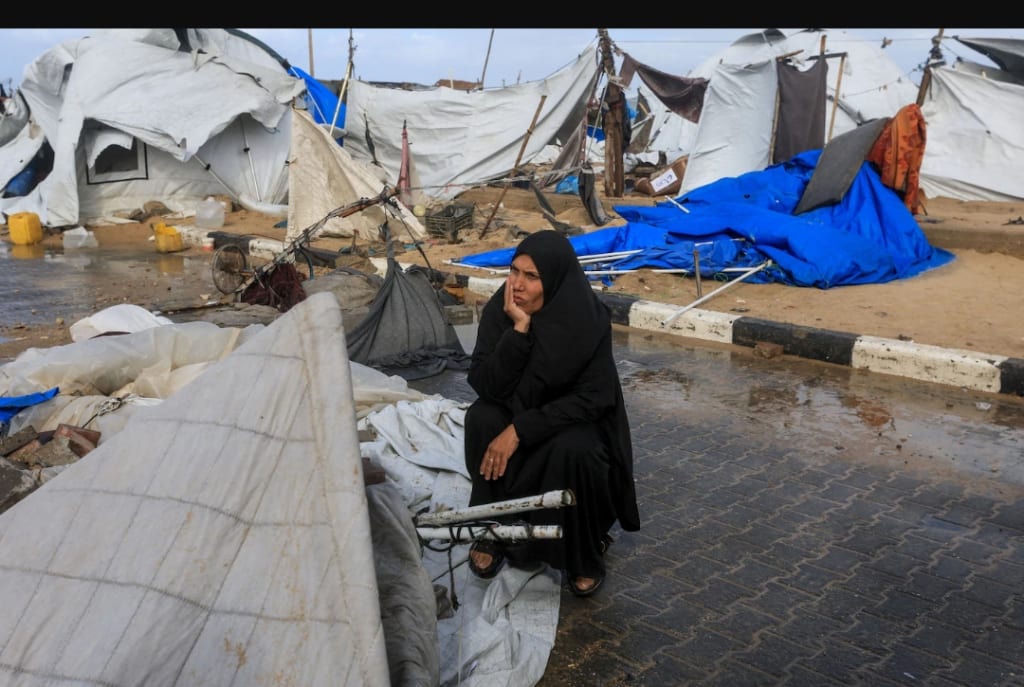
The United States has announced the launch of the second phase of its Gaza peace plan, signaling a renewed diplomatic effort to stabilize the region following months of conflict, humanitarian crisis, and international concern. U.S. officials say the next phase aims to move beyond emergency de-escalation toward longer-term solutions focused on security, governance, and humanitarian recovery.
While challenges remain significant, the announcement reflects Washington’s intent to maintain momentum in peace efforts and prevent a return to widespread violence in Gaza and the surrounding region.
What the Second Phase Involves
According to U.S. officials, the second phase of the Gaza peace plan builds on the initial stage, which focused primarily on halting active hostilities and facilitating limited humanitarian access. The new phase seeks to expand those efforts by addressing structural and political issues that have fueled instability for years.
Key components of the second phase reportedly include:
Sustaining and monitoring ceasefire arrangements
Expanding humanitarian aid and reconstruction efforts
Supporting political dialogue among regional and international stakeholders
Laying groundwork for long-term governance and security mechanisms
U.S. diplomats emphasized that the approach will be incremental, recognizing the fragile nature of the situation on the ground.
Humanitarian Focus Takes Center Stage
A central pillar of the second phase is the humanitarian situation in Gaza, where civilians continue to face shortages of food, medical supplies, clean water, and electricity. The United States has pledged to work with international organizations and regional partners to ensure aid flows more consistently and reaches those most in need.
Officials stressed that humanitarian access must remain insulated from political and military tensions. Aid corridors, medical evacuations, and rebuilding essential infrastructure are seen as immediate priorities to alleviate civilian suffering.
Diplomatic Engagement With Regional Partners
The U.S. announcement also highlighted increased diplomatic engagement with regional allies and stakeholders, including Middle Eastern partners who play a critical role in mediation and aid delivery.
Washington has indicated that cooperation with regional governments is essential to maintaining stability, preventing escalation, and encouraging dialogue among conflicting parties. The second phase is expected to involve coordinated diplomatic pressure and incentives aimed at sustaining calm and discouraging unilateral actions that could undermine peace efforts.
Security and Governance Challenges
Despite cautious optimism, U.S. officials acknowledged that security and governance remain major obstacles. Gaza’s future governance structure is a particularly sensitive issue, with competing visions and deep mistrust among stakeholders.
The second phase reportedly seeks to explore transitional arrangements that prioritize civilian protection, rule of law, and basic administration without triggering further conflict. However, U.S. officials have avoided detailing specific governance outcomes, emphasizing instead that any lasting solution must involve regional consensus and local participation.
International Reactions and Skepticism
The announcement has drawn mixed reactions from the international community. Some governments and humanitarian organizations welcomed the renewed focus on diplomacy and aid, viewing it as a necessary step toward de-escalation.
Others remain skeptical, pointing to past peace initiatives that failed to deliver lasting change. Critics argue that without concrete timelines, enforcement mechanisms, and accountability, the second phase risks repeating earlier efforts that stalled amid renewed violence.
Domestic and Global Political Context
The launch of the second phase also comes amid intense domestic and international scrutiny of U.S. Middle East policy. Balancing diplomatic leadership, humanitarian responsibility, and strategic interests remains a complex task for Washington.
Analysts note that the announcement may also reflect broader efforts to reassure allies and manage global perceptions, particularly as conflicts elsewhere continue to strain international attention and resources.
Risks Ahead
While the second phase represents a diplomatic step forward, risks remain high. Any breakdown in ceasefire arrangements, delays in aid delivery, or political miscalculations could quickly unravel progress.
The situation on the ground remains volatile, and trust between parties is limited. U.S. officials have cautioned that success will depend not only on diplomatic frameworks but also on restraint, cooperation, and sustained international engagement.
Conclusion
The U.S. announcement of the second phase of its Gaza peace plan marks an important moment in ongoing efforts to stabilize one of the world’s most volatile regions. By shifting focus toward humanitarian relief, political dialogue, and longer-term governance challenges, Washington aims to move beyond crisis management toward a more durable calm.
However, the path ahead remains uncertain. Lasting peace in Gaza will require more than phased plans—it will demand sustained commitment, regional cooperation, and meaningful improvements in the lives of civilians caught in the conflict. Whether the second phase can deliver tangible results will shape the future of peace efforts in the region.
About the Creator
Asad Ali
I'm Asad Ali, a passionate blogger with 3 years of experience creating engaging and informative content across various niches. I specialize in crafting SEO-friendly articles that drive traffic and deliver value to readers.
The Forsyth House Fire
Since 1851, Forsyth House has stood on the corner of Union Street and Gordon Street in the heart of Glasgow. Its iconic, or was... because on Sunday 8th of March, 2026, a fire broke out in a small, seemingly un-named shop in the building and tore all that history down. As I write, the rubble is still unsettled and the street is still blocked off. Central Station is quiet on the upper level, and around 30 small businesses have quite literally gone up in smoke.
By S. A. Crawford3 days ago in The Swamp
RAF Typhoon Jets in Action Over Bahrain
Royal Air Force fighter jets roared across the skies above the Gulf kingdom this week as part of a high-profile training and security mission involving the advanced Eurofighter Typhoon aircraft. The deployment highlights the United Kingdom’s continuing military partnership with Bahrain, a strategic ally that hosts a key British naval facility in the region. The operation involved several RAF Typhoon jets flying out of RAF Akrotiri and staging exercises in cooperation with Bahraini defence forces. The sorties, conducted over international waters and Bahraini airspace, focused on air combat manoeuvres, rapid response drills and coordination with ground-based radar units. Officials from the Royal Air Force described the exercise as part of a broader effort to maintain readiness in the Middle East while strengthening defence ties with regional partners. According to defence sources, the drills simulated real-world scenarios including interception of unidentified aircraft and protection of maritime routes in the Persian Gulf. “These missions allow our crews to practice complex operations in a realistic environment,” a British defence spokesperson said. “Working alongside Bahrain’s forces improves coordination and ensures we are prepared to respond to potential threats to regional security.” The Typhoon jets involved in the operation represent one of the most sophisticated fighter aircraft in the RAF fleet. Equipped with advanced radar systems, precision-guided weapons and supersonic speed capabilities, the aircraft are designed to perform air superiority, reconnaissance and strike missions. The fighter is jointly developed by European aerospace companies including BAE Systems, Airbus and Leonardo. Military analysts say the presence of RAF jets in Bahrain reflects the United Kingdom’s long-standing strategic interest in maintaining stability in the Gulf. The region remains critical for global energy supplies and international shipping routes, and Western powers have continued to conduct patrols and exercises there amid ongoing geopolitical tensions. Bahrain hosts the Naval Support Facility Bahrain, which opened in 2018 as the Royal Navy’s first permanent base east of the Suez Canal in more than four decades. The facility allows British warships to operate more easily across the Gulf and Indian Ocean, while also supporting air and maritime missions involving British forces. During the latest exercise, Bahraini air controllers worked closely with RAF pilots to track simulated targets. Local fighter units also participated in some training segments, allowing both sides to exchange operational experience and refine joint tactics. A Bahraini defence official said the drills demonstrated the strength of cooperation between the two countries. “Our partnership with the United Kingdom is built on decades of military collaboration,” the official noted. “These exercises ensure our forces can operate effectively together when regional stability is challenged.” Residents in parts of Bahrain reported seeing the fighter jets streaking across the sky in tight formation. Defence authorities confirmed that the flights were scheduled training missions and that no civilian air traffic was disrupted during the operation. The deployment also provides valuable flying hours for RAF pilots stationed in the Middle East, many of whom regularly support coalition missions across the region. Training in the Gulf’s unique climate conditions—characterised by high temperatures and desert winds—helps crews prepare for potential operational deployments. Security experts say exercises like these are increasingly important as military powers adapt to evolving threats such as unmanned aerial vehicles and long-range missile systems. Practicing rapid interception and coordinated defence responses allows allied forces to maintain a technological and tactical edge. For the United Kingdom, the mission underscores its continued commitment to defence partnerships beyond Europe. While the RAF maintains a strong presence at home bases across Britain, overseas operations remain central to its global strategy. As the Typhoon jets completed their final sorties over Bahrain, defence officials from both countries described the exercise as a success. Plans are already under discussion for future joint drills, reinforcing a partnership that has long been a cornerstone of security cooperation in the Gulf region.
By Fiaz Ahmed 3 days ago in The Swamp
A Transparent Look at Vocal Challenges and Top Stories
Almost three years ago, we shared a resource article that served as a place for people to suggest new challenge prompts. We thought it would be a good idea to refresh that thread, and take the opportunity to answer a few common questions about top stories, how challenges are judged and how submissions are reviewed.
By Vocal Curation Team4 days ago in Resources


Comments
There are no comments for this story
Be the first to respond and start the conversation.