
Trump Would Want Military Action in Iran to Be Swift and Decisive, Sources Say
Rising Tensions Between the U.S. and Iran
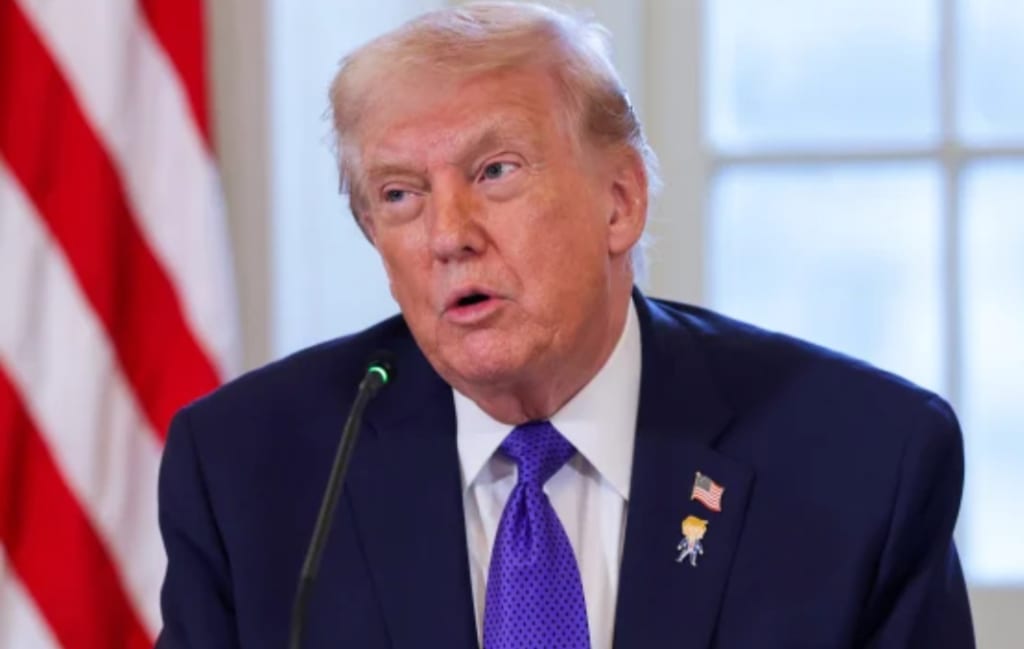
Sources close to former President Donald Trump have suggested that, should the U.S. engage militarily with Iran, he would favor a swift and decisive operation aimed at achieving clear strategic objectives. The comments come amid rising tensions over Iran’s nuclear program, regional influence, and ongoing confrontations in the Middle East.
While Trump is no longer in office, his approach continues to influence discussions within U.S. political and military circles, as well as among international observers concerned about potential escalation.
What “Swift and Decisive” Could Mean
According to sources, a “swift and decisive” approach would likely focus on rapid strikes aimed at crippling critical Iranian military infrastructure and limiting the possibility of prolonged conflict. Key elements could include:
Targeted airstrikes on strategic sites
Rapid deployment of specialized military units
Cyber operations to disrupt communications and command networks
Coordinated action with allies in the region
The intent would be to achieve maximum impact with minimal U.S. casualties, while signaling strength to both Iran and the wider international community.
Context: U.S.-Iran Relations
Relations between the United States and Iran have remained tense for decades, punctuated by incidents such as:
The U.S. withdrawal from the Iran nuclear deal in 2018
Targeted drone strikes, including the killing of Qassem Soleimani in 2020
Cyberattacks and proxy conflicts in Iraq, Syria, and Yemen
Experts note that any military engagement carries high stakes, with potential repercussions for the region, global energy markets, and international diplomacy.
Strategic Considerations
A rapid military operation, as described by sources, would aim to limit escalation and prevent a prolonged war. Military planners often stress the importance of:
Clear objectives and exit strategies
Coordination with regional allies, including Israel and Gulf nations
Maintaining civilian protection to minimize international condemnation
Sources suggest that Trump’s approach would prioritize demonstrating U.S. strength and deterrence, while attempting to avoid entanglement in a drawn-out conflict.
Regional Reactions
Any potential military move would be closely watched by countries across the Middle East. Analysts note that:
Israel and Gulf allies would likely support decisive action against Iran’s nuclear capabilities
Iraq, Lebanon, and Syria could be destabilized by military operations
Russia and China might respond diplomatically or militarily, complicating U.S. strategic planning
The challenge for any administration would be to balance immediate tactical gains with broader geopolitical stability.
Domestic Political Implications
Within the U.S., Trump’s stance reflects a broader political strategy emphasizing toughness on Iran. This approach appeals to certain voter bases, particularly those prioritizing national security and a hardline foreign policy.
However, critics warn that military action could be politically divisive, potentially drawing opposition from Congress, public opinion, and international allies concerned about escalation.
Lessons From History
Past U.S. operations in the region illustrate the risks of prolonged engagement. From Iraq to Syria, military interventions have often generated unintended consequences, including:
Strengthening extremist groups
Regional instability
Long-term financial and human costs
Strategists argue that decisive, well-planned operations may achieve short-term objectives but require careful consideration of long-term impacts.
Potential Triggers for Action
While sources do not indicate an immediate plan, analysts suggest that Trump would consider military action if:
Iran significantly escalates its nuclear program
U.S. personnel or allies are directly attacked
Regional conflicts threaten American strategic interests
In each scenario, the emphasis would be on rapid response to neutralize threats and project strength.
Risks of Swift Military Action
Even a quick and decisive operation carries substantial risks:
Retaliatory strikes on U.S. forces or allies
Escalation of proxy conflicts in Iraq, Syria, and Yemen
Disruption of global oil markets
Diplomatic fallout with European and Asian partners
Experts caution that any military strategy must weigh the potential benefits against the high probability of regional and global consequences.
The Broader Picture
Trump’s purported preference for decisive action reflects a broader foreign policy philosophy prioritizing strength and deterrence over diplomacy. While this approach has supporters, it also generates debate about the risks of miscalculation, unintended escalation, and long-term instability.
Observers emphasize that even if Trump’s influence wanes, his approach continues to shape U.S. foreign policy discourse, particularly regarding Iran.
Conclusion: Calculated Strength or High-Risk Gamble?
The reports suggesting Trump would favor swift and decisive military action in Iran underscore the complexity of Middle East strategy. While such an approach aims to demonstrate strength and prevent protracted conflict, it also carries significant regional, political, and humanitarian risks.
Ultimately, any decision to engage militarily with Iran would require careful planning, multilateral coordination, and a clear understanding of both immediate and long-term consequences. For the U.S., allies, and the world, the balance between decisive action and prudent diplomacy remains as delicate as ever.
About the Creator
Keep reading
More stories from Aarif Lashari and writers in The Swamp and other communities.
With Tensions High, Israel and Iran Secretly Reassured Each Other via Russia
Amid ongoing tensions in the Middle East, Israel and Iran have reportedly engaged in secret communications through Russia, aiming to manage a delicate balance of deterrence and avoid an escalation into open conflict. While public rhetoric between the two nations remains sharply hostile, diplomatic backchannels are being used to reduce the risk of miscalculations that could ignite broader regional warfare.
By Aarif Lashari4 days ago in The Swamp


Comments
There are no comments for this story
Be the first to respond and start the conversation.