
Trump, Top Aides Asked Netanyahu to Change Policy in Occupied West Bank
Trump administration urged restraint as West Bank actions risked wider fallout

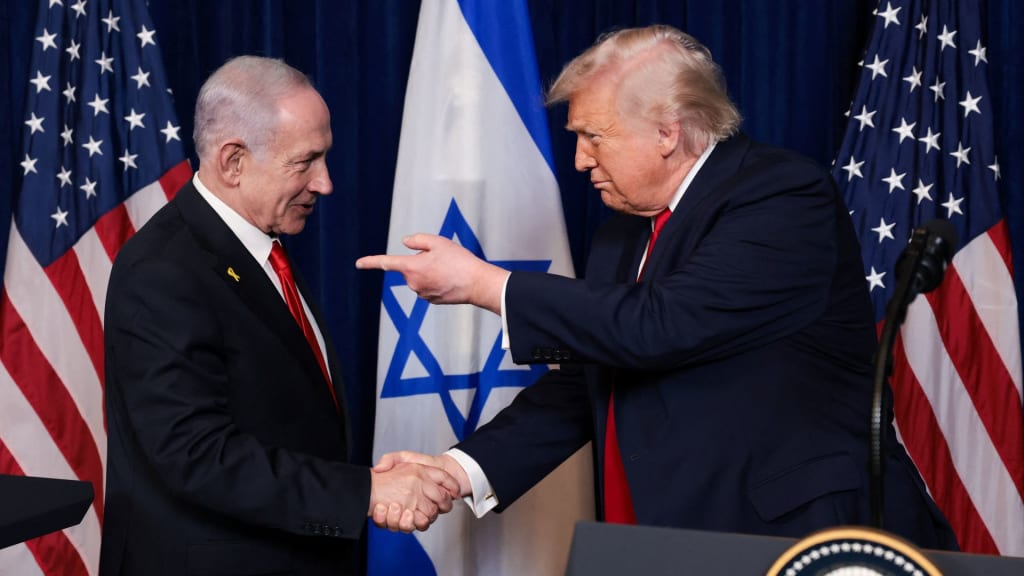
Behind-the-Scenes Diplomacy Reveals Pressure on Israeli Leadership
Former U.S. President Donald Trump and senior members of his administration reportedly urged Israeli Prime Minister Benjamin Netanyahu to reconsider certain policies in the occupied West Bank, highlighting a lesser-known dimension of U.S.–Israel relations during Trump’s presidency. While Trump was widely viewed as one of Israel’s strongest allies, these private appeals suggest that even close partnerships can involve sharp disagreements, particularly on issues with global diplomatic consequences.
The revelations shed light on how Washington attempted to balance its support for Israel with concerns about regional stability, international law, and America’s broader strategic interests in the Middle East.
---
Understanding the West Bank Issue
The occupied West Bank remains one of the most contentious issues in the Israeli-Palestinian conflict. Israel captured the territory during the 1967 Middle East war and has maintained military control over it ever since. Millions of Palestinians live in the area under Israeli administration, while Israeli settlements — considered illegal under international law by most of the global community — have continued to expand.
Policies related to settlement growth, land access, and security measures in the West Bank frequently draw international criticism and have long been a focal point of diplomatic tension between Israel and its allies.
---
What Trump and His Aides Reportedly Asked For
According to sources familiar with internal discussions, Trump and several top aides privately asked Netanyahu to modify or slow policies that risked escalating tensions in the West Bank. These requests were reportedly aimed at avoiding actions that could spark widespread unrest, undermine peace prospects, or complicate U.S. diplomatic efforts in the region.
Despite Trump’s public support for Israel — including recognizing Jerusalem as Israel’s capital and backing Israeli sovereignty claims — his administration was aware that unchecked policy moves in the West Bank could provoke backlash from Arab allies, European partners, and international institutions.
Senior U.S. officials are said to have emphasized that stability in the West Bank was essential for maintaining fragile regional alliances and preventing violence that could spiral into a broader conflict.
---
Why the U.S. Applied Pressure
The Trump administration’s Middle East strategy focused heavily on reshaping regional alliances, particularly through normalization agreements between Israel and Arab states. Any major escalation in the West Bank risked derailing these efforts.
Additionally, U.S. military and intelligence officials reportedly warned that unrest in Palestinian territories could create security challenges for American interests and allies across the region. These concerns prompted behind-the-scenes pressure on Netanyahu to act with restraint, even as public messaging remained strongly pro-Israel.
The requests also reflected Washington’s desire to maintain a degree of credibility on the global stage, where U.S. policy toward Israel has long been scrutinized.
---
Netanyahu’s Political Constraints
For Netanyahu, changing course in the West Bank was never simple. His governing coalitions have often relied on right-wing and pro-settlement parties that strongly oppose concessions or policy reversals. Any perceived softening could threaten political stability at home.
As a result, while Israeli leaders may have listened to U.S. concerns, policy adjustments were limited. Settlement activity and security operations largely continued, reinforcing skepticism among Palestinians and international observers about the prospects for meaningful change.
---
Reactions and Broader Implications
News of Trump’s private pressure complicates the public narrative of unconditional U.S. support for Israeli policies during his presidency. It suggests that diplomatic disagreements were more nuanced than public statements indicated.
For Palestinians, the reports offer little comfort, as conditions on the ground saw minimal improvement. However, they underscore how U.S. influence — even when exercised privately — remains a significant factor in Israeli decision-making.
Internationally, the revelations may prompt renewed debate over the role of U.S. diplomacy in addressing the Israeli-Palestinian conflict and whether private pressure can lead to tangible policy shifts.
---
A Pattern of Quiet Diplomacy
The episode reflects a broader pattern in international relations: public alignment paired with private disagreement. While Trump positioned himself as Israel’s strongest ally, his administration still recognized the risks of policies that could destabilize a volatile region.
Whether such private interventions can produce lasting change remains uncertain. What is clear is that the West Bank continues to be a central test of diplomacy, alliance management, and conflict resolution in the Middle East.
---
Conclusion
Reports that Trump and his top aides asked Netanyahu to change policy in the occupied West Bank reveal a more complex relationship than headlines often suggest. Even amid strong political support, U.S. leaders sought to curb actions they believed could threaten regional stability.
As tensions in the region persist, these behind-the-scenes efforts highlight the enduring challenge of balancing alliance loyalty with diplomatic responsibility — a challenge that continues to shape Middle Eastern politics today.
---
If you want, I can also provide:
A strong subtitle
Best Vocal Media category
SEO-optimized headline options
Just let me know.
About the Creator
Asad Ali
I'm Asad Ali, a passionate blogger with 3 years of experience creating engaging and informative content across various niches. I specialize in crafting SEO-friendly articles that drive traffic and deliver value to readers.
India Builds Rockets and Warplanes — So Why Not Passenger Jets?
India has earned global recognition for its accomplishments in defense and space technology. From sending satellites into orbit with the Indian Space Research Organisation (ISRO) to producing advanced fighter jets like the Tejas, the nation has proven that it can engineer highly sophisticated and high-stakes technology. Yet, when it comes to commercial aviation — particularly the production of large passenger jets — India remains conspicuously absent. This gap raises a pressing question: if India can build rockets and warplanes, why not passenger aircraft?
By Fiaz Ahmed Brohi2 days ago in The Swamp
How to Succeed at the Benson Directory®
Congratulations and welcome to the Benson Directory® employee #22391! As our newest call handler, you will have the privilege of speaking with dozens of unique and interesting people on a daily basis as well as the opportunity to earn bonuses for high performance. Contained within this handbook you will find a set of ease to follow instructions designed to help you settle in to your new role and begin paving the way to success.
By S. A. Crawforda day ago in Fiction




Comments
There are no comments for this story
Be the first to respond and start the conversation.