
Trump Sues IRS and Treasury for $10 Billion Over Leaked Tax Information
A Legal Battle That Could Redefine Government Accountability and Data Privacy
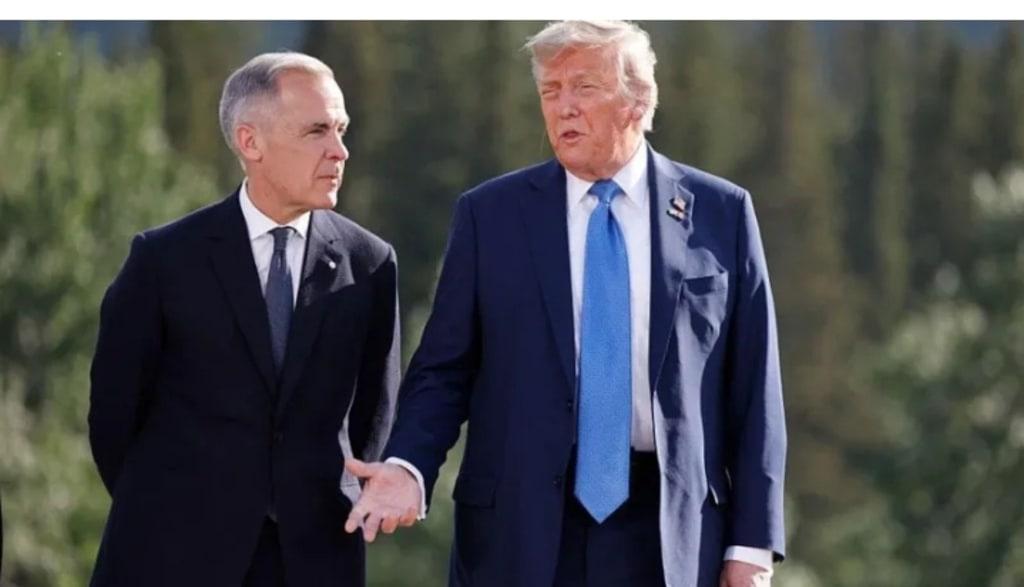
When news broke that former U.S. President Donald J. Trump had filed a $10 billion lawsuit against the Internal Revenue Service (IRS) and the U.S. Treasury Department, it instantly sent shockwaves through political, legal, and financial circles. The case centers on allegedly leaked tax information, a claim that reignites long-standing debates about privacy, political power, and government responsibility.
This lawsuit is not just about money. It is about trust, confidentiality, and the boundaries of federal authority in an era where information is more powerful—and more vulnerable—than ever before.
The Core of the Lawsuit: What Is Trump Claiming?
At the heart of the case is the accusation that Trump’s confidential tax records were unlawfully disclosed by federal agencies or individuals connected to them. U.S. tax law is extremely strict when it comes to privacy.
Under federal statutes, tax return information is among the most protected personal data in the country. Unauthorized disclosure can result in criminal penalties, civil damages, and career-ending consequences for government employees.
Trump’s lawsuit alleges that:
His tax information was accessed or shared without proper authorization
Federal agencies failed to protect sensitive data
The disclosure caused reputational, political, and financial harm
The demand for $10 billion in damages reflects not only alleged losses but also punitive intent—meant to send a message.
Why Tax Information Is So Sensitive
Tax returns reveal far more than income. They can expose:
Business relationships
Investment strategies
Debt structures
Personal addresses and identifiers
For public figures, especially politicians, leaked tax data can be weaponized—used to shape public narratives, influence elections, or damage credibility.
That is why the IRS operates under some of the strictest confidentiality laws in the federal system.
The Political Context Behind the Case
Donald Trump’s taxes have been a source of controversy for years, even before his presidency. Unlike many modern presidents, Trump resisted public disclosure of his tax returns, citing ongoing audits.
Over time, various legal and congressional efforts sought access to these records, arguing public interest. Supporters framed transparency as essential to democracy. Critics saw it as politically motivated targeting.
This lawsuit brings that long-running conflict into a new phase—one where the government itself is the defendant.
IRS and Treasury: A Rare Legal Position
It is highly unusual for a former president to sue the IRS and Treasury at this scale.
If the claims proceed in court, the government may have to:
Explain how access to the tax data was managed
Identify who viewed or handled the records
Prove that safeguards were followed
Even if the lawsuit does not succeed in full, discovery alone could expose uncomfortable truths about internal data controls.
Legal Experts Weigh In: A Difficult but Serious Case
Legal analysts are divided.
Some argue that:
Proving intentional wrongdoing will be extremely difficult
Government agencies have broad legal protections
Others counter that:
Tax privacy laws are explicit and unforgiving
Even negligence can trigger liability
Precedent exists for damages in unauthorized disclosures
What makes this case unique is not just who filed it—but the scale and symbolism of the claim.
The $10 Billion Question: Why So Much?
The staggering figure has sparked skepticism, but it serves multiple purposes:
Punitive pressure – to deter future leaks
Public signal – that privacy violations have consequences
Negotiation leverage – high initial demands often lead to settlements
In high-profile litigation, the number itself becomes part of the narrative.
Implications for Government Data Security
Regardless of political views, this case highlights a critical issue:
Can the government truly protect the data it demands from citizens?
If a former president’s tax information can allegedly be leaked, what about:
Ordinary citizens?
Small business owners?
Political opponents?
The outcome could force federal agencies to:
Strengthen internal controls
Increase oversight
Reevaluate employee access privileges
A Broader Debate: Privacy vs. Public Interest
This lawsuit also reopens a philosophical question:
Where does public interest end and personal privacy begin?
Supporters of transparency argue that leaders should be held to higher standards. Privacy advocates warn that once confidentiality is broken for one group, it becomes easier to break it for all.
The court’s handling of this case may shape how that balance is struck in the future.
What Happens Next?
The legal road ahead will likely include:
Motions to dismiss
Jurisdictional challenges
Possible settlements
Or prolonged litigation stretching for years
Given Trump’s history of aggressive legal strategy, this case is unlikely to disappear quietly.
Final Thoughts: More Than Just a Lawsuit
This is not merely a legal fight between a former president and federal agencies.
It is a test case for.
About the Creator
Keep reading
More stories from Zahid Hussain and writers in The Swamp and other communities.
Senate Reaches Deal Ahead of Shutdown Deadline to Fund Government, Continue ICE Talks
A Government on the Brink — Until Now As the clock ticked toward another federal shutdown, the U.S. Senate managed to strike a deal that averts immediate catastrophe — narrowly sidestepping the looming crisis that would have paused funding for key government operations.
By Zahid Hussainabout 13 hours ago in The Swamp




Comments
There are no comments for this story
Be the first to respond and start the conversation.