
Trump’s Space Budget Reflects Influence of Elon Musk and SpaceX
Budget Cuts to NASA and Boosts for SpaceX Signal a New Era of Privatized Space Exploration Under Musk’s Growing Influence

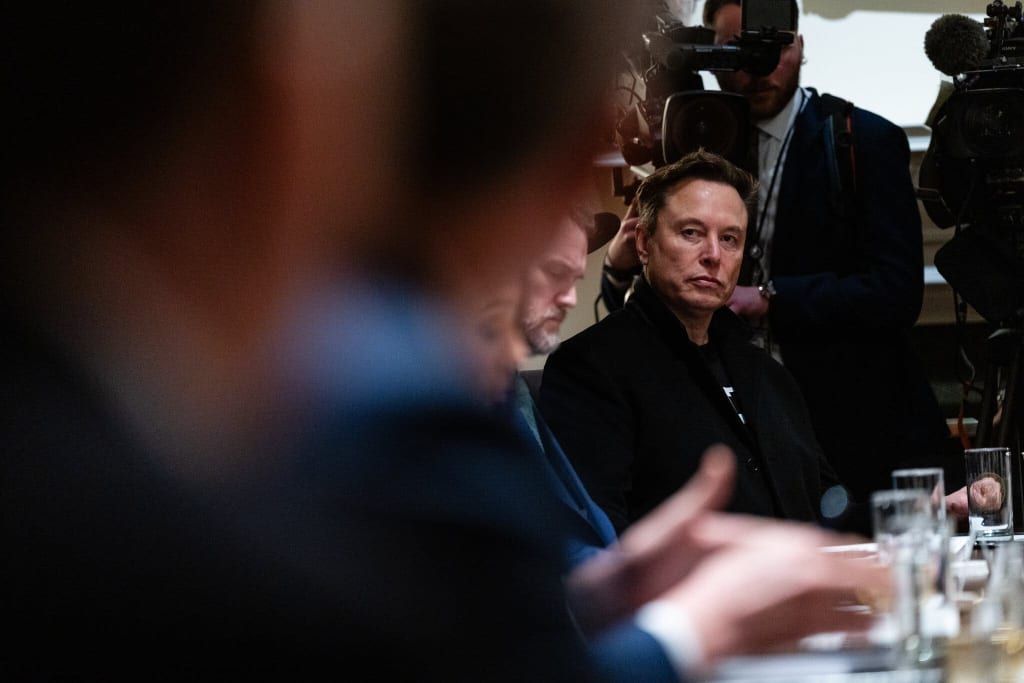
Trump’s Space Budget Reflects Influence of Elon Musk and SpaceX
In a striking shift in America’s space strategy, former President Donald Trump’s proposed space budget for 2026 reveals a clear preference for privatization and a growing reliance on commercial spaceflight companies—chief among them, Elon Musk’s SpaceX. The proposed budget, which significantly reduces NASA’s funding while boosting support for private sector-led space exploration and defense initiatives, underscores the increasing influence of Musk in shaping the nation’s space agenda.
A Budget Shift Toward Privatization
The Trump administration’s 2026 federal budget proposal slashes NASA’s funding from approximately $24.9 billion in 2024 to $18.8 billion—a reduction of nearly 25%. This cut directly affects traditional NASA programs such as the Orion spacecraft, the Artemis lunar missions, and the Gateway lunar space station. The International Space Station (ISS) program is also impacted, facing a reduction of about $500 million.
At the same time, the administration proposes a redirection of resources toward private space ventures, including a notable increase in funding for manned Mars missions and the development of commercial lunar landers. SpaceX, already a major player in the U.S. space economy, is poised to benefit substantially from this reallocation.
SpaceX and the Mars Vision
One of the key tenets of Elon Musk’s long-term vision has always been human colonization of Mars. With the Trump budget explicitly supporting manned missions to Mars and focusing on "low-cost, high-innovation" approaches to space, the alignment with Musk’s objectives is evident. SpaceX’s Starship project, which aims to transport humans and cargo to the Moon and Mars, stands at the forefront of this effort and is expected to receive expanded government contracts.
In addition to Mars exploration, the Trump budget proposes funding for a controversial "Golden Dome" missile defense system, to be developed in part by SpaceX. This dual focus on space exploration and national defense showcases how the administration is intertwining space policy with military strategy—another area in which Musk’s companies, including SpaceX and Starlink, play a pivotal role.
The Political Web: Musk’s Influence in Washington
What’s raising eyebrows across the political spectrum is the growing perception that Elon Musk is not just influencing space technology—but space policy itself. Under the Trump administration, Musk was appointed as head of the Department of Government Efficiency, a role that allowed him to propose cost-cutting measures across several federal agencies, including NASA.
Further complicating the issue is the appointment of Jared Isaacman, a billionaire entrepreneur and close Musk ally, as the new NASA Administrator. Isaacman, who has flown with SpaceX on private missions, has deep ties to the company. Critics argue that this represents a conflict of interest and may further entrench corporate influence within what was once a strictly government-led enterprise.
Mixed Reactions from Experts and Workers
While some see the shift as a bold step toward modernization and efficiency, many space policy analysts and NASA insiders express deep concern. A 25-30% workforce reduction across NASA centers could cost thousands of jobs, particularly in key facilities such as the Johnson Space Center in Houston and the Kennedy Space Center in Florida.
Former NASA officials warn that abandoning long-term projects like Orion and Gateway in favor of short-term commercial gains could hinder America’s leadership in deep-space exploration. “Relying too heavily on one company—regardless of how successful it has been—could pose a serious strategic risk,” said one former NASA director.
The Future of American Space Exploration
This budget proposal marks a philosophical shift in how the U.S. approaches space: from a government-funded, research-based endeavor to a market-driven enterprise fueled by innovation and competition. Elon Musk, with his ambitious goals and deep financial stakes, has become the de facto face of this new era.
Supporters argue that SpaceX has proven its capabilities through rapid development, cost savings, and successful missions. They contend that embracing the private sector is necessary for maintaining America’s edge in an increasingly crowded space race, where countries like China are expanding their own lunar and Martian programs.
Opponents, however, worry that the privatization of space exploration undermines transparency, oversight, and long-term scientific goals. They call for a more balanced approach—one that combines the innovation of the private sector with the reliability and vision of government-led initiatives.
Conclusion
Trump’s space budget is not just a financial document—it’s a blueprint for the future of American space policy. Whether this future is dominated by public institutions or by tech billionaires like Elon Musk remains to be seen. As the budget moves through Congress, the debate over the role of SpaceX—and the broader implications of privatized space exploration—will likely intensify. What’s clear, however, is that Musk’s influence has never been greater.
About the Creator
Adnan Rasheed
Author & Creator | Writing News , Science Fiction, and Worldwide Update| Digital Product Designer | Sharing life-changing strategies for success.
Keep reading
More stories from Adnan Rasheed and writers in The Swamp and other communities.
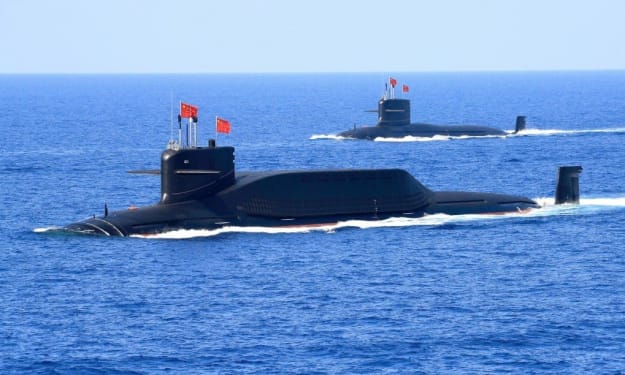
China’s Military Reveals Details of Type 094 Nuclear Submarine for First Time
China’s Military Reveals Details of Type 094 Nuclear Submarine for First Time In a significant move reflecting growing military transparency and strategic assertion China has officially released detailed information about its Type 094 nuclear powered ballistic missile submarine (SSBN) also known as the Jin class submarine. This is the first time that the People’s Liberation Army Navy (PLAN) has publicly acknowledged specific features of this crucial component of China’s second strike nuclear capability. The revelation coming through a state affiliated media outlet and military analysts offers insights into China’s evolving sea based nuclear deterrence modernization of its naval forces, and its strategic ambitions in regional and global maritime affairs. The Type 094 SSBN is China’s second generation nuclear powered ballistic missile submarine designed to replace the outdated Type 092 Xia class submarine. The Type 094 measures approximately 137 meters in length has a beam of around 12 meters and a submerged displacement of about 11,000 tons. It is powered by a nuclear reactor that allows the submarine to remain submerged for long periods without surfacing providing it with virtually unlimited range and extended patrol capability. According to the details shared the submarine can achieve speeds exceeding 20 knots while submerged and can carry out extended deterrence patrols in China's near seas and beyond. The Jin class submarine is designed to remain hidden and mobile while carrying out missions making it a central pillar of China’s strategic deterrent. Perhaps the most significant aspect of the Type 094 is its armament. Initially the submarine was designed to carry 12 JL-2 submarine launched ballistic missiles (SLBMs) which have a reported range of 7,200 kilometers. This allowed China to target parts of the United States such as Alaska and much of Asia and the Pacific region from waters closer to its coast. However new reports indicate that China has begun outfitting the Type 094 submarines with the more advanced JL-3 SLBMs. The JL-3 is believed to have a range of over 10,000 kilometers meaning the submarine could now strike targets across the entire continental United States from positions in the South China Sea or near Chinese territorial waters. This dramatically enhances the credibility of China’s second strike capability as the submarine can now perform its deterrent role without having to venture into vulnerable waters near enemy coastlines.
By Adnan Rasheed9 months ago in The Swamp
Wild Card Weekend Recap: What Happens Now?
I think I figured out why I love Wild Card Weekend so much. It's because it's the first playoff anything of the calendar year. The NFL season starts in the fall, and once upon a time, the champion was crowned either on or slightly before New Year's. The evolution of the NFL schedule has resulted in the playoffs starting just into the New Year, and currently, the final week of the season falls on the first weekend of the New Year, with Wild Card Weekend coming a week after that. So yes, chronologically, the NFL's Wild Card Weekend serves as the first playoff anything of the calendar year.
By Clyde E. Dawkins6 days ago in Unbalanced



Comments
There are no comments for this story
Be the first to respond and start the conversation.