
Trump News at a Glance: Pretti Killing a ‘Wake-Up Call,’ Say Obamas as Clinton Urges Americans to Speak Out
Political leaders respond to violence and division as national conversation intensifies around democracy, safety, and civic responsibility
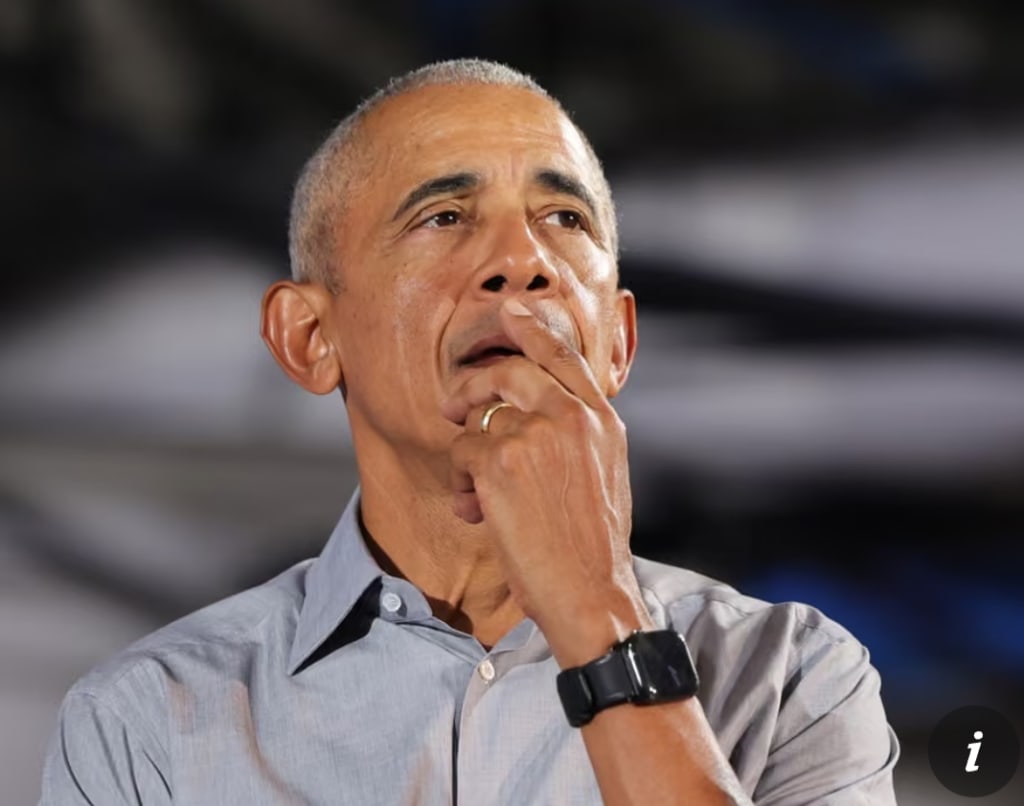
A series of developments tied to former President Donald Trump have once again placed the United States at the center of intense political and social debate. From reactions to the killing of Pretti—described by former President Barack Obama and former First Lady Michelle Obama as a “wake-up call”—to former Secretary of State Hillary Clinton urging Americans to speak out, the news cycle reflects growing concern about political violence, polarization, and the future of democratic discourse.
These reactions underscore a broader moment of reckoning, as national leaders and citizens alike confront the consequences of heightened rhetoric, misinformation, and division in American public life.
The Pretti Killing and Its National Impact
The killing of Pretti has shocked communities and reignited discussions around violence and public safety in a politically charged climate. While details surrounding the incident continue to emerge, the tragedy has become symbolic of deeper issues facing the nation.
In a public statement, Barack and Michelle Obama described the killing as a “wake-up call,” emphasizing the need to confront the rising normalization of violence and dehumanization in public discourse. Their message focused not only on mourning the loss of life but also on urging Americans to reflect on how words, attitudes, and actions can contribute to real-world harm.
The Obamas’ remarks resonated widely, particularly among communities already concerned about escalating tensions and the erosion of empathy in political debates.
Clinton Calls on Americans to Speak Out
Adding to the conversation, Hillary Clinton called on Americans to speak out against violence, misinformation, and threats to democratic values. In her remarks, Clinton stressed that silence can enable harmful behavior and that civic engagement remains essential in moments of crisis.
Clinton’s message centered on the idea that democracy depends on active participation—not just during elections, but in everyday conversations and community actions. She encouraged citizens to challenge false narratives, support democratic institutions, and reject rhetoric that fuels fear or division.
Her comments reflect a long-standing concern among Democratic leaders that unchecked polarization poses risks to social cohesion and democratic stability.
Trump’s Continued Presence in the News
Although Donald Trump did not directly comment on the Pretti killing at the time of these statements, his influence looms large over the broader context. As a dominant figure in American politics, Trump remains a focal point for debates about political responsibility and leadership tone.
Supporters argue that Trump is often unfairly blamed for broader societal problems, while critics contend that his rhetoric has contributed to an environment where hostility and mistrust flourish. This divide continues to shape how Americans interpret events like the Pretti killing and the responses from political leaders.
Trump’s ongoing legal challenges, campaign activities, and media presence ensure that any national conversation about politics inevitably intersects with his legacy and influence.
Political Violence and Rhetoric Under Scrutiny
The incident has intensified scrutiny of political rhetoric across the spectrum. Analysts warn that extreme language, conspiracy theories, and dehumanizing narratives can create conditions where violence becomes more likely.
Experts emphasize that while no single leader or statement causes such acts, the cumulative effect of inflammatory discourse can lower societal barriers to violence. This has prompted renewed calls for responsible communication from political figures, media outlets, and social media platforms.
The Obamas’ and Clinton’s statements align with this concern, framing the moment as an opportunity for reflection and corrective action rather than partisan blame.
Community Reactions Across the Country
Communities across the United States have responded with vigils, discussions, and calls for unity. Many local leaders have echoed the sentiment that the killing should prompt collective reflection rather than further division.
Grassroots organizations have also used the moment to advocate for conflict resolution programs, mental health support, and media literacy initiatives. These efforts aim to address underlying factors that contribute to violence and polarization.
For many Americans, the incident feels personal, reinforcing fears about safety and the tone of national discourse.
The Role of Civic Engagement
Clinton’s call for Americans to speak out highlights the importance of civic engagement beyond traditional political participation. Voting, peaceful protest, community dialogue, and fact-based discussion are increasingly viewed as tools to counter extremism and misinformation.
Political scientists note that periods of tension often test democratic systems. How citizens respond—whether through engagement or withdrawal—can shape the nation’s trajectory.
Leaders across party lines have occasionally echoed this sentiment, acknowledging that democracy requires sustained effort from both institutions and individuals.
Media, Misinformation, and Responsibility
The rapid spread of information—and misinformation—has also come under scrutiny following the killing. Social media platforms can amplify unverified claims, fueling confusion and anger before facts are established.
Experts urge media consumers to rely on credible sources and avoid sharing unconfirmed reports. Responsible journalism, they argue, plays a critical role in preventing panic and reducing harm.
This environment adds urgency to calls from leaders like the Obamas and Clinton for thoughtful engagement and restraint.
Looking Ahead
As investigations into the Pretti killing continue, attention will remain focused on how political leaders, institutions, and communities respond. Whether the tragedy leads to meaningful change or fades into another cycle of outrage remains an open question.
What is clear is that the incident has become a moment of reflection—one that exposes deep fractures while also offering an opportunity for dialogue and reform.
Conclusion
The latest Trump-related news cycle, marked by reactions to the Pretti killing and calls for civic action from prominent Democratic leaders, highlights a nation grappling with violence, division, and democratic responsibility. Described as a “wake-up call” by the Obamas and a moment for action by Hillary Clinton, the tragedy underscores the real-world consequences of political polarization.
As Americans process these events, the challenge lies in transforming grief and concern into constructive engagement—ensuring that democracy, dialogue, and human dignity remain at the center of public life.
About the Creator
Keep reading
More stories from Aarif Lashari and writers in The Swamp and other communities.
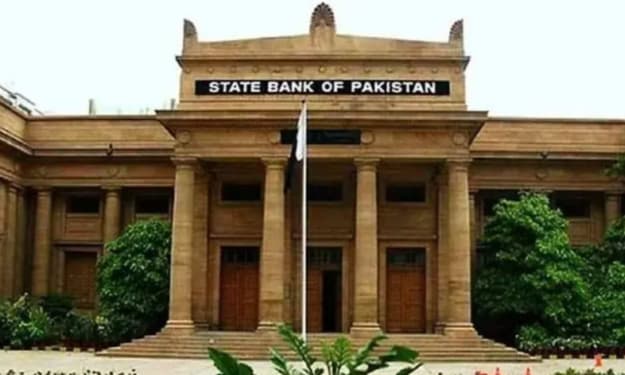
Exchange Firm’s Licence Cancelled: What It Means for Investors and the Market
The cancellation of an exchange firm’s licence by financial authorities has sent ripples across the investment community, sparking uncertainty among investors and renewed debate about regulatory oversight. Such actions are not taken lightly and often signal serious compliance failures, governance issues, or risks to the broader financial system. For investors and market participants, the decision raises an urgent question: what happens next? This development highlights the fragile balance between innovation in financial markets and the need for strict regulation to protect investors. As authorities move to enforce rules, the implications extend far beyond a single firm, affecting confidence, liquidity, and the overall market environment. Why an Exchange Firm’s Licence Gets Cancelled Regulators typically revoke an exchange firm’s licence only after identifying significant violations. These may include failure to meet capital requirements, inadequate risk management systems, lack of transparency, or breaches of anti-money laundering (AML) and know-your-customer (KYC) regulations. In some cases, repeated warnings or fines precede the final decision. When corrective actions are ignored or deemed insufficient, authorities may conclude that the firm poses a risk to investors or market integrity. Licence cancellation is therefore both a punitive and preventive measure designed to stop further harm. For the public, such decisions often raise concerns about how long the problems existed and whether earlier intervention could have minimized losses. Immediate Impact on Investors For investors directly involved with the exchange firm, the licence cancellation can be deeply unsettling. Access to accounts may be restricted while regulators assess the situation, and withdrawals or trades could be temporarily frozen. This uncertainty often leads to anxiety, particularly for retail investors who rely on the platform to manage savings or active investments. Regulators usually work with administrators or trustees to safeguard client assets. However, the recovery process can be slow, and outcomes depend on how well customer funds were segregated from the firm’s operational accounts. Investors are often advised to stay informed through official regulatory updates and avoid relying on rumors or unverified sources. Market Reaction and Short-Term Volatility Beyond individual investors, the broader market can also feel the effects. News of a licence cancellation often triggers short-term volatility, especially if the firm had a significant market presence. Prices of related assets may fluctuate as traders react to uncertainty, and confidence in similar platforms can weaken. Other exchange firms may experience increased scrutiny, with investors reassessing where they place their funds. While this can initially disrupt trading volumes, it may also encourage a shift toward more transparent and well-regulated platforms. Market analysts note that while short-term reactions can be dramatic, long-term stability often improves when weak or non-compliant entities are removed from the system. What This Means for Market Trust Trust is a cornerstone of financial markets. When an exchange firm loses its licence, it can undermine confidence, especially among first-time or smaller investors. Many may begin to question whether regulatory bodies are doing enough to monitor firms proactively rather than reactively. At the same time, decisive regulatory action can also restore trust. By demonstrating that rules are enforced and misconduct has consequences, authorities send a message that investor protection is a priority. Over time, this can strengthen the market by encouraging higher standards across the industry. Regulatory Oversight and Its Broader Significance The licence cancellation underscores the critical role of regulators in maintaining market integrity. Financial authorities are tasked with balancing innovation and risk, ensuring that firms operate transparently while allowing markets to evolve. In recent years, regulators worldwide have tightened oversight, particularly in fast-growing sectors such as digital assets and alternative trading platforms. This case may prompt further reviews of licensing frameworks, compliance monitoring, and enforcement mechanisms. For firms still operating in the market, the message is clear: compliance is not optional. Strong governance, clear reporting, and adherence to regulations are essential for long-term survival. Lessons for Investors This incident offers several important lessons for investors: Due diligence matters: Investors should research exchange firms carefully, including their regulatory status and compliance history. Diversification reduces risk: Relying on a single platform increases exposure to operational and regulatory risks. Regulation provides protection: While regulation may seem restrictive, it plays a crucial role in safeguarding investor interests. Financial experts recommend that investors prioritize platforms with strong regulatory backing and transparent operational practices. Long-Term Implications for the Market In the long run, the removal of non-compliant exchange firms can lead to a healthier market environment. While disruptions are inevitable, stronger oversight can improve resilience and reduce systemic risk. The episode may also accelerate reforms, encouraging regulators to enhance monitoring tools and firms to adopt higher standards. For investors, this could mean greater confidence and more sustainable growth opportunities in the future. Conclusion The cancellation of an exchange firm’s licence is a significant event with far-reaching implications. For investors, it brings uncertainty and potential financial stress. For the market, it highlights vulnerabilities while reinforcing the importance of regulation and accountability. Although the immediate impact may be unsettling, decisive regulatory action can ultimately strengthen trust and stability. As the situation unfolds, investors and market participants alike will be watching closely, hoping that lessons learned lead to a safer and more transparent financial ecosystem.
By Aarif Lashari3 days ago in The Swamp
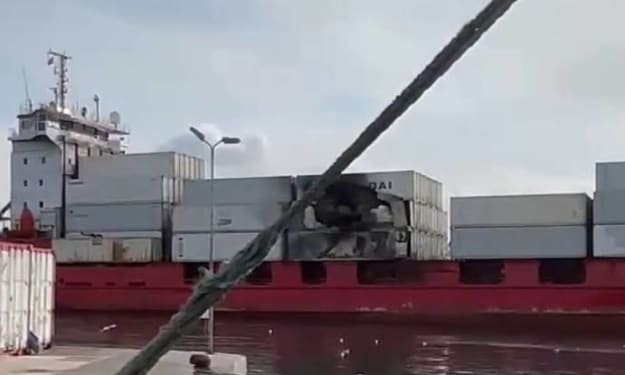
Drone Hits Container Ship Aurelia After Departure From Novorossiysk
A container ship, the Aurelia, was reportedly struck by a drone shortly after departing from the Russian port of Novorossiysk, raising concerns about maritime security and regional tensions. The incident, confirmed by shipping authorities, highlights the growing risk of unmanned aerial threats to commercial shipping in busy international waters. Officials say the ship sustained minor damage, and no crew members were injured, but the event underscores the increasing use of drones in conflict zones and strategic maritime routes. The Incident According to initial reports, the Aurelia was departing Novorossiysk, a key port on the Black Sea, when it was hit by a small, unmanned aerial vehicle (drone). The vessel, which carries containerized cargo to various international destinations, was immediately checked for structural damage, and standard safety protocols were followed. The Russian authorities have launched an investigation to determine the type of drone involved, its origin, and whether the attack was targeted or accidental. Maritime Security Concerns The incident raises serious questions about maritime security in the Black Sea and nearby waters, where commercial shipping often intersects with geopolitical tensions. Experts warn that drones have become increasingly accessible to state and non-state actors, allowing them to target ships, ports, and offshore installations with minimal risk. Shipping analysts point out that even small drones can cause significant damage to vessels, endanger crews, and disrupt international trade routes if left unchecked. Strategic Importance of Novorossiysk Novorossiysk is one of Russia’s most important ports on the Black Sea, handling millions of tons of cargo annually, including grain, oil, and industrial products. Any incident in this area has the potential to affect regional trade, global supply chains, and shipping insurance rates. Maritime experts emphasize that ports like Novorossiysk are strategically sensitive, and even minor attacks can have wide-ranging economic and political implications. Drone Threats to Commercial Shipping The use of drones in maritime environments is a growing global concern. Modern drones are lightweight, portable, and often difficult to detect, making them capable of: Tracking ship movements Delivering explosives or causing physical damage Disrupting port operations and cargo handling Acting as tools for espionage Shipping companies are now investing in anti-drone technology, radar systems, and security protocols to mitigate these risks. However, authorities admit that unmanned aerial threats remain a serious vulnerability for commercial vessels. Economic Implications While the Aurelia incident caused no injuries and limited damage, the broader economic risks are significant. Experts warn that: Insurance premiums for vessels in high-risk areas may rise Shipping routes could be adjusted to avoid potential drone attacks Global trade in sensitive regions could face disruptions if incidents increase The presence of drones in maritime corridors has become a factor in trade strategy, route planning, and port security, particularly in conflict-prone regions. Regional Context The Black Sea has become a hotspot for military activity and geopolitical tension. Countries in the region, including Russia, Ukraine, and NATO allies, maintain significant naval operations. While the exact motivations behind the drone attack on the Aurelia remain unclear, analysts suggest it could be related to ongoing regional conflicts or security testing by state or non-state actors. Maritime security experts stress that international cooperation is crucial to ensure commercial shipping remains safe in contested waters. International Response Shipping organizations and maritime authorities have expressed concern over the incident. The International Maritime Organization (IMO) and other bodies are monitoring developments and recommending precautionary measures for vessels operating in sensitive regions. Experts suggest that ship operators conduct risk assessments, implement enhanced lookout procedures, and coordinate with local authorities when passing through areas prone to drone or missile attacks. Crew Safety and Protocols The Aurelia’s crew reportedly followed established safety procedures, ensuring the ship remained operational and undamaged beyond minor impacts. Maritime safety protocols now often include: Immediate assessment of damage after an aerial or missile threat Communication with port authorities and coast guard services Evacuation plans if drones carry explosives or pose direct danger Reporting incidents to national and international maritime organizations These measures are becoming standard practice in regions where drones pose a credible risk to commercial vessels. Looking Ahead The Aurelia incident is a reminder that modern maritime operations are increasingly vulnerable to unmanned threats. Shipping companies and port authorities worldwide are being urged to: Invest in drone detection and neutralization systems Train crews on responding to aerial threats Coordinate internationally to ensure safe passage in contested or sensitive waters Experts predict that such threats will only grow unless proactive measures are implemented, combining technology, training, and international cooperation. Conclusion The drone strike on the container ship Aurelia near Novorossiysk highlights the emerging risks of unmanned aerial technology in maritime trade. While no one was injured, the incident underscores the need for heightened security, international coordination, and investment in defensive technologies. As commercial shipping continues to operate in geopolitically sensitive areas, the Aurelia serves as a cautionary example of how modern warfare and technology intersect with global trade, reminding the world that even routine maritime operations are not immune to conflict-driven disruptions.
By Fiaz Ahmed 4 days ago in The Swamp


Comments
There are no comments for this story
Be the first to respond and start the conversation.