
Trump Assembles a New Coalition to ‘Eradicate’ Cartels
The former president proposes a multinational strategy to dismantle powerful drug cartels and confront the growing narcotics crisis. A bold security plan aims to unite nations against transnational crime and the expanding influence of drug trafficking networks. Trump’s latest proposal calls for stronger international cooperation to combat organized crime and curb the global drug trade. As fentanyl deaths rise, a controversial plan emerges to target cartel operations at their source. A new anti-cartel alliance could reshape the fight against organized crime across the Americas.
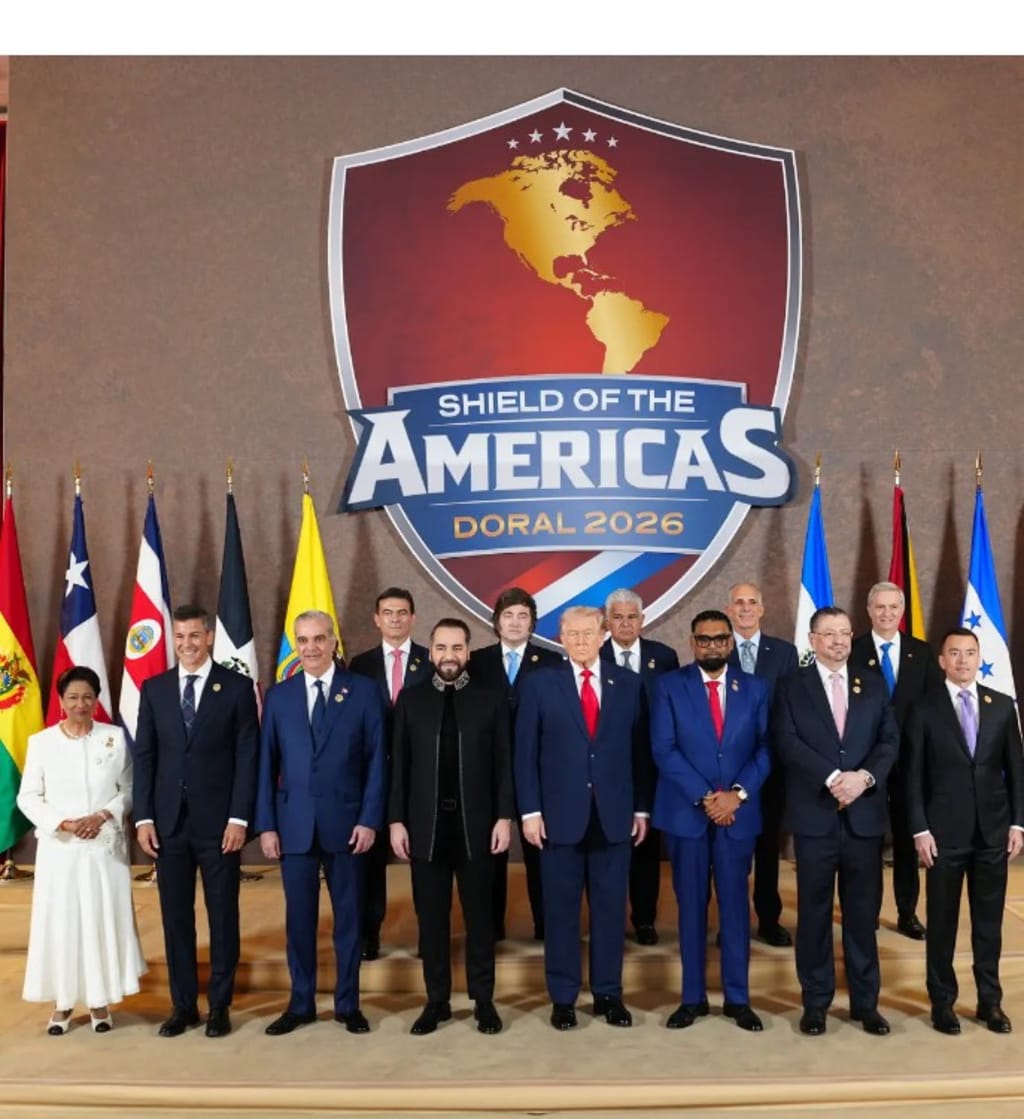
In the evolving landscape of American politics and national security, former U.S. President Donald Trump has once again ignited debate with a bold proposal: forming a new coalition aimed at “eradicating” powerful drug cartels operating across the Americas. The initiative, framed as a comprehensive strategy to combat organized crime and drug trafficking, has stirred support among allies and raised significant questions among critics about its feasibility, legality, and long-term implications.
Drug cartels have long posed a complex challenge for the United States and its neighbors. Organizations such as the Sinaloa Cartel and the Jalisco New Generation Cartel have developed sophisticated networks that extend far beyond national borders. These groups control lucrative drug routes, traffic weapons, launder money through international financial systems, and exert influence in multiple countries.
Trump’s proposed coalition reportedly focuses on building stronger security partnerships between the United States and several Latin American nations. According to statements from his political allies, the plan would emphasize intelligence sharing, coordinated law enforcement operations, and expanded resources to dismantle cartel leadership structures. The ultimate goal, Trump says, is not merely to disrupt these criminal networks but to eliminate their ability to operate altogether.
Supporters of the initiative argue that cartels have grown too powerful for any single nation to confront alone. Cross-border crime, they say, requires cross-border solutions. A multinational coalition could combine intelligence, law enforcement capabilities, and financial tracking systems to attack cartel operations from multiple angles simultaneously.
The former president’s rhetoric has also focused heavily on the human cost of cartel activity. Drug trafficking, particularly the spread of synthetic opioids such as fentanyl, has contributed to a severe public health crisis in the United States. Thousands of overdose deaths occur every year, and policymakers across the political spectrum have struggled to find effective strategies to curb the flow of dangerous substances.
Trump’s proposal suggests that stronger action against cartel infrastructure—including laboratories, smuggling routes, and financial networks—could significantly reduce the supply of drugs entering the United States. Supporters believe that weakening these organizations at their source could have ripple effects throughout the global narcotics trade.
However, critics argue that the concept of “eradicating” cartels may oversimplify a deeply entrenched problem. Organized crime groups have historically adapted quickly when pressured by law enforcement or military operations. When one cartel weakens, others often emerge to fill the void, sometimes creating even more fragmentation and violence.
Some analysts also warn that aggressive cross-border operations could strain diplomatic relations with countries such as Mexico, where sovereignty and national security concerns remain highly sensitive. Past cooperation between U.S. and Mexican authorities has relied heavily on joint law enforcement efforts rather than direct foreign military intervention.
During his presidency, Trump repeatedly emphasized tough border policies and strong measures against drug trafficking organizations. His administration pushed for stricter border enforcement and expanded pressure on criminal networks involved in drug production and distribution. The new coalition proposal appears to build upon those earlier priorities while framing the issue as a multinational security challenge.
Political observers note that the plan also fits into a broader narrative about law and order that has remained central to Trump’s political messaging. By portraying cartels as a direct threat to American communities, the proposal seeks to mobilize public concern about crime, drugs, and border security.
At the same time, experts in international relations caution that successful cooperation against transnational crime requires careful diplomacy. Countries affected by cartel violence often face their own internal challenges, including corruption, weak institutions, and economic instability. Addressing these underlying issues may be just as important as targeting cartel leaders.
Human rights organizations have also expressed concern that large-scale security operations could risk civilian harm if not conducted carefully. Past anti-cartel campaigns in parts of Latin America have sometimes led to unintended consequences, including displacement of communities and increased violence between rival groups.
Nevertheless, the urgency of the drug crisis continues to drive calls for stronger action. In many parts of the United States, local governments and law enforcement agencies report that fentanyl trafficking has transformed the landscape of narcotics enforcement. Synthetic drugs can be produced cheaply, transported easily, and distributed through complex networks that span continents.
For Trump and his supporters, these developments reinforce the argument that traditional approaches have failed to keep pace with evolving criminal organizations. A coordinated coalition, they argue, could apply sustained pressure across borders and disrupt cartel operations more effectively than isolated national strategies.
Whether the proposed coalition will gain widespread support remains uncertain. International partnerships require agreement among governments with different priorities, legal systems, and political pressures. Even within the United States, policymakers continue to debate the most effective ways to address drug trafficking and organized crime.
Still, the announcement has already sparked renewed discussion about the scale of the cartel challenge and the need for innovative solutions. The intersection of crime, public health, and international security makes the issue one of the most complex facing policymakers today.
As debates continue, the concept of a multinational coalition against drug cartels highlights a broader reality: transnational crime cannot be easily contained by borders alone. Whether through diplomacy, law enforcement cooperation, or new policy approaches, the search for effective strategies remains ongoing.
For now, Trump’s proposal has placed the fight against cartels back at the center of political conversation, raising both hopes for stronger action and concerns about the risks of escalating conflict in an already volatile struggle against organized crime.
About the Creator
Keep reading
More stories from Jameel Jamali and writers in The Swamp and other communities.
Dozens Killed as Israeli Commandos Raid Lebanon in Hunt for Missing Airman
In a dramatic escalation of tensions along the Israel–Lebanon border, Israeli commandos launched a deep raid into Lebanese territory in an attempt to locate a missing Israeli airman. According to regional authorities and security sources, the operation triggered intense clashes that left dozens of people dead and many others injured. The incident has intensified fears of a broader regional conflict and sparked urgent calls for restraint from the international community.
By Jameel Jamaliabout 3 hours ago in The Swamp
A Gathering of Evil Bosses
“I’m the queen of chin jutting while I smooth my hair, attacking, insulting, and deflecting to protect my appointer.” “Oh, please, Blondi, my hair is curled, highlighted, and longer than yours. I feature television commercials telling immigrants that we will give them a free plane ride home, and if they voluntarily turn themselves in, they will be allowed to legally apply for re-entry. It runs everywhere, and I look good in it! You can’t compete because of your blond hair. Mine is nicer, and my lips are prettier than yours.”
By Andrea Corwin 18 days ago in The Swamp
Malaysia Joins Israel, Iraq, Jordan, Qatar, Bahrain, Kuwait, UAE, Saudi Arabia, and Syria to Overcome Mobility Issues in Collaboration with Global Aviation and Tourism Authorities: New Updates
In a significant development for international travel and regional cooperation, Malaysia has formally joined a broad coalition of countries — including Israel, Iraq, Jordan, Qatar, Bahrain, Kuwait, United Arab Emirates, Saudi Arabia, and Syria — to address mobility and travel challenges in coordination with global aviation and tourism authorities. The announcement highlights renewed efforts by governments and industry stakeholders to accelerate travel recovery after pandemic disruptions and address new operational complexities arising from geopolitical tensions and infrastructural challenges. Officials from the participating countries said the initiative aims to improve connectivity, enhance passenger experience, and support tourism and economic growth by forging stronger partnerships between national aviation bodies, tourism ministries, and international organisations such as the International Civil Aviation Organization (ICAO) and the World Tourism Organization (UNWTO). These cooperative efforts reflect a growing recognition that global mobility is fundamental to national development, job creation, and intercultural exchange. A Broader Coalition for Mobility The coalition announcement emerged from a virtual summit hosted jointly by ICAO and UNWTO, where aviation ministers, tourism commissioners, and airline representatives outlined a shared vision for modernising travel frameworks. Delegates emphasised that overcoming mobility issues requires a multifaceted approach — one that balances safety, infrastructure investment, human capital development, and cross‑border cooperation. Malaysia’s inclusion in this group marks its commitment to expanding its role in global aviation and tourism strategy. The Malaysian delegation underscored the importance of institutional collaboration to enhance air connectivity and reduce logistical barriers in international travel. “As a country with a rich cultural heritage and strong tourism industry, Malaysia recognises that seamless mobility is key to fostering economic resilience and enhancing global partnerships,” said Malaysia’s transport minister in a statement. The coalition’s roster reflects a geographically diverse network of countries, each facing distinct but overlapping mobility hurdles. For Middle Eastern partners, ongoing airspace considerations — including temporary restrictions due to regional tensions — have necessitated more agile route planning and risk management systems. In contrast, Southeast Asian stakeholders such as Malaysia focus on addressing pandemic‑era backlog, improving airport infrastructure, and integrating digital travel facilitation systems. Key Areas of Cooperation Participants agreed on several priority areas to ensure the coalition makes tangible progress: 1. Harmonised Travel Protocols: Representatives emphasised the need to streamline health, visa, and security requirements to reduce passenger confusion and ensure more predictable itineraries. By aligning procedures between countries, travellers can benefit from smoother cross‑border movement. 2. Digital Innovation: A common theme in discussions was the integration of digital travel credentials, biometric entry systems, and enhanced booking platforms that support real‑time updates on requirements and travel options. Malaysia — already a regional leader in digital transformation — pledged to share insights from its national travel facilitation frameworks. 3. Infrastructure and Capacity Building: Several countries noted the need to invest in airport expansions, air traffic management upgrades, and workforce training. These investments are aimed at supporting future growth in passenger volumes and cargo operations while maintaining safety standards. 4. Tourism Recovery Strategies: With tourism a significant economic driver for many participating nations, the coalition plans to develop joint marketing campaigns and incentive programmes designed to attract international visitors. Collaborative branding, targeted promotions, and shared tourism data are expected to boost returns for all members. Industry Reactions Major carriers and global aviation organisations welcomed Malaysia’s involvement and the broader coalition effort. Airline executives pointed out that consistent regulatory frameworks and predictable mobility corridors are essential to rebuilding route networks and restoring confidence among travellers. “The more cohesive and transparent intergovernmental agreements are, the better positioned airlines will be to optimise schedules and offer competitive routes,” said one industry spokesperson. Tourism boards also welcomed strides toward harmonised travel facilitation. “Destinations thrive when people can move freely and securely,” noted a representative from UNWTO. “This coalition reflects a proactive approach to meeting traveller expectations in an increasingly interconnected world.” Challenges Ahead Despite the promise of cooperation, coalition members acknowledged challenges remain. Divergent regulatory environments, varying levels of economic development, and geopolitical considerations can complicate implementation of agreed measures. For example, overlapping airspace restrictions in certain regions require high‑level diplomatic engagement to ensure that safety and access are both prioritised. Political tensions — both within and between regions — also present potential obstacles. Aligning tourism and aviation policies across such a diverse group will necessitate ongoing dialogue and flexibility from all stakeholders. Looking Forward The establishment of this coalition with Malaysia playing an active role signals a commitment to collaborative problem‑solving among nations that are pivotal to their respective regions’ mobility and tourism landscapes. By investing in harmonised systems, innovative technologies, and shared strategies, the participating countries hope to set a new standard for international travel cooperation. As policymakers and industry leaders work toward implementation, travellers around the world may eventually benefit from more seamless journeys, greater route options, and strengthened confidence in international travel’s future — even amid lingering uncertainties in geopolitics and global health.
By Fiaz Ahmed 3 days ago in The Swamp




Comments
There are no comments for this story
Be the first to respond and start the conversation.